Slow Tourism: Concept, Practices and Prospects
Introduction
Tourism in the 21st century has largely been driven by speed, volume, and consumption. Package tours, checklist itineraries, and short stays dominate global travel patterns as well as travel habits of tourists, irrespective of the market segment they belong to. However, growing concerns about environmental degradation, cultural commercialization, tourist fatigue, and post- Covid impacts have led to the emergence of an alternative paradigm – slow tourism. This approach encourages tourists to decelerate, immerse, and engage meaningfully with destinations and the products they offer.
Slow tourism is not merely a niche trend but a transformative philosophy that redefines how tourism is produced and consumed. It aligns closely with sustainability, experiential travel, and community-based development, making it increasingly relevant for policymakers and tourism stakeholders worldwide.
 Definition of Slow Tourism
Though there are several definition of slow tourism which have come up in the recent past, the most appropriate one is, “slow tourism is a mindful and sustainable approach to travel that emphasizes deeper engagement with destinations, local communities, and environments rather than rapid consumption of multiple attractions during a single trip”. It emerged as a counter-response to mass tourism and is rooted in the broader “slow movement,” which originated from the slow food movement in Italy.
Key elements of the definition include:
- Spending more time in fewer destinations
- Prioritizing quality over quantity of experiences
- Using low-impact modes of transport
- Engaging with local culture and communities
Salient Features of Slow Tourism
Slow tourism is characterized by several distinctive features:
- Deceleration – travel is undertaken at a relaxed pace, avoiding hurried itineraries and allowing for reflection and absorption of experiences.
- Sustainability – it promotes environmentally responsible practices such as walking, cycling, and reduced carbon footprints
- Immersion – tourists stay longer in destinations, enabling deeper understanding of local culture, traditions, and lifestyles.
- Authenticity – experiences focus on genuine cultural interactions rather than staged or commercialized attractions.
- Local Engagement – tourists interact closely with local communities, contribute to local economies and foster cultural exchange.
- Experiential Focus – activities such as cooking local cuisine, farming, hiking, or learning crafts form the core of the experience.
Principles of Slow Tourism
The philosophy of slow tourism is guided by several core principles:
- Quality over Quantity – emphasis on meaningful experiences rather than covering many destinations.
- Sustainability and Responsibility – minimizing environmental and cultural impacts.
- Connection and Participation – building relationships with local people and places.
- Respect for Local Identity – preserving traditions, heritage, and authenticity.
- Mindful Consumption – supporting local products, food, and services.
- Well-being and Personal Growth – encouraging relaxation, reflection, and self-discovery.
 Practices of Slow Tourism
Slow tourism is implemented through a variety of practices:
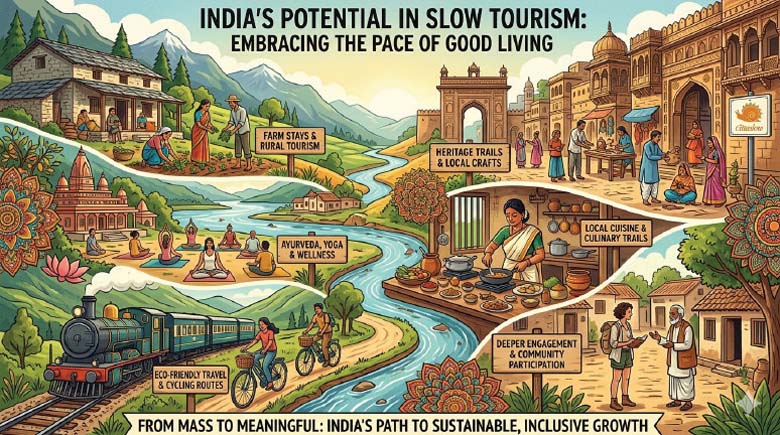
- Walking holidays, trekking, and cycling tours
- Farm stays and rural tourism
- Heritage trails and pilgrimage routes
- Culinary tourism focusing on local cuisine
- Staying in homestays or eco-lodges
- Using trains, boats, or non-motorized transport
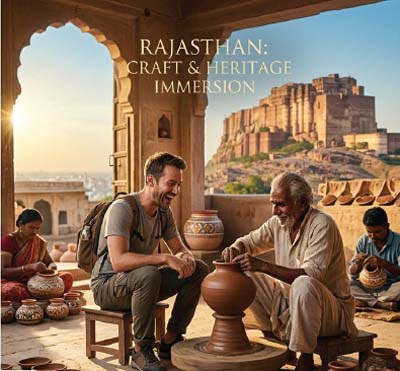
- Participating in local festivals and crafts
Advantages of Slow Tourism
Environmental Benefits
- Reduces carbon emissions through low-impact travel
- Promotes conservation of natural resources
Economic Benefits
- Supports local economies and small businesses
- Encourages equitable distribution of tourism income
Cultural Preservation
- Protects local traditions and heritage
- Reduces cultural commodification
Enhanced Tourist Experience
- Provides meaningful and memorable experiences
- Encourages deeper understanding of destinations
Social Benefits
- Strengthens host–guest relationships
- Promotes cross-cultural understanding
Personal Well-being
- Reduces stress and enhances mental health
- Encourages self-reflection and learning
 Disadvantages of Slow Tourism
Despite its advantages, slow tourism has certain limitations:
Time Constraints
It requires longer travel durations, making it less accessible to people with limited vacation time.
Limited Coverage
Tourists visit fewer destinations, which may not appeal to those seeking variety.
Economic Challenges
Lower tourist volumes may reduce revenues in some destinations compared to mass tourism.
Infrastructure Requirements
Requires strong local infrastructure and community participation.
Market Awareness
Still a niche segment, requiring significant promotion and education.
Demand Segments for Slow Tourism
Slow tourism appeals to specific segments:
Millennials and Gen Z
They prioritize experiences over material possessions and seek authenticity.
Educated and Environmentally Conscious Tourists
Interested in sustainability and responsible travel.
Retirees and Long-Stay Tourists
Have more time and prefer relaxed and unhurried travel.
Digital Nomads
Combine work and travel, staying longer in destinations.
Special Interest Tourists
Such as cultural, culinary, and nature enthusiasts.
Can India Develop Slow Tourism?
India has immense potential to develop slow tourism due to:
- Diverse cultural and natural heritage
- Strong rural and traditional lifestyle
- Rich culinary diversity
- Spiritual and wellness traditions
India already has several elements of slow tourism but lacks a structured framework.
Existing and Potential Slow Tourism Products in India
Existing Products
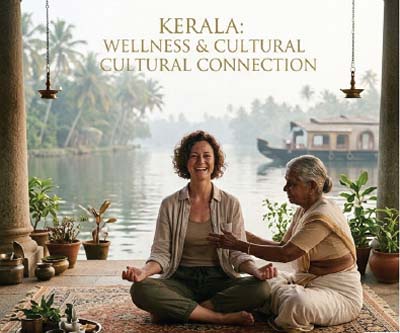
- Rural tourism (e.g., Rajasthan villages, Kerala homestays)
- Ayurveda and wellness tourism
- Spiritual tourism (Varanasi, Rishikesh)
- Eco-tourism in national parks
Potential Products
- Slow food and culinary trails
- Craft villages and artisan tourism
Rural festivals
- Inland water travel (Ganga cruises)
- Walking and cycling circuits
- Heritage town immersion programmes
Policy and Strategy for India
To develop slow tourism, India should adopt the following:
National Slow Tourism Policy
Create a dedicated framework integrating sustainability and community-based tourism. Of paramount importance would be to take State Governments on board, particularly for identification of local product(s), product development at the local level in coordination with communities, involvement of local youth and women in the entire tourism process which will lead to their social and economic empowerment, and operation and management of tourist services and facilities.
Infrastructure Development – improve rural connectivity, and develop eco-friendly accommodation
Capacity Building – train local communities in hospitality and tourism services
Promotion of Local Economies – encourage local crafts, cuisine, and products
Sustainable Transport – promote rail, cycling, and walking tourism
Public-Private Partnership – encourage collaboration between government, NGOs, local communities, and private sector
Marketing Slow Tourism in India
Domestic Market
- Promote “weekend slow travel” experiences
- Target urban professionals seeking relaxation
- Use digital platforms and storytelling
International Market
- Position India as an authentic, immersive destination
- Focus on niche segments like wellness, spirituality, and culture
- Collaborate with global sustainable tourism platforms
Domestic Market Segments in India
Slow tourism in India would appeal to:
Urban Middle and Upper Classes – seeking escape from fast-paced city life.
Young Professionals – interested in experiential and meaningful travel.
Retirees – looking for relaxed and culturally enriching experiences.
Students and Backpackers – interested in low-cost, immersive travel.
Conclusion
Slow tourism represents a paradigm shift from consumption-driven travel to experience-driven, sustainable tourism. It addresses the challenges of mass tourism while offering meaningful benefits to tourists, communities, and the environment.
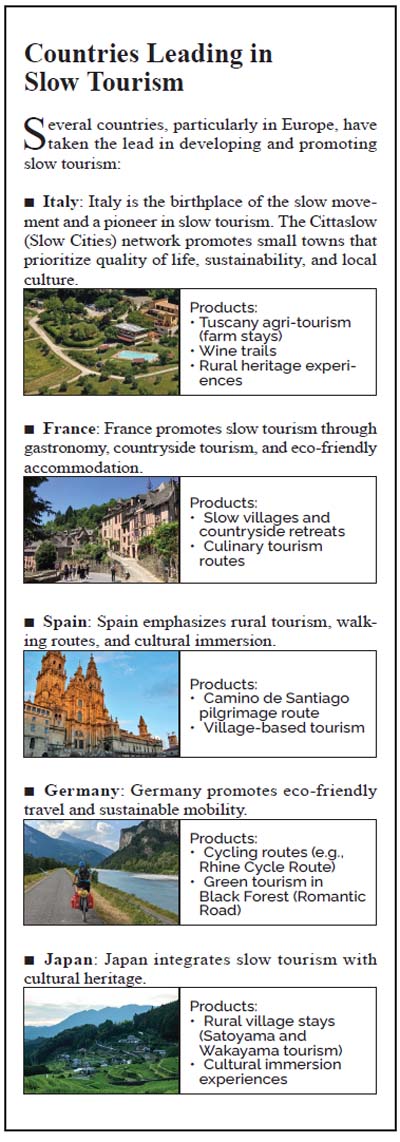
Countries such as Italy, France, and Spain have demonstrated that slow tourism can be successfully integrated into national tourism strategies. India, with its unparalleled diversity and cultural richness, is well-positioned to embrace and develop slow tourism.
However, success will depend on strategic policy interventions, centre-state coordination, infrastructure development, community participation, and effective marketing. By adopting a holistic approach, India can not only diversify its tourism offerings but also promote sustainable and inclusive growth.
Slow tourism is not just about travelling slowly – it is about travelling better.
ABOUT THE AUTHOR
 Dr. Harsh Varma is Former Director, United Nations World Tourism Organization (UNWTO). Based in Madrid, he is consulted by NTOs globally; has formerly been a director, Ministry of Tourism, GOI.