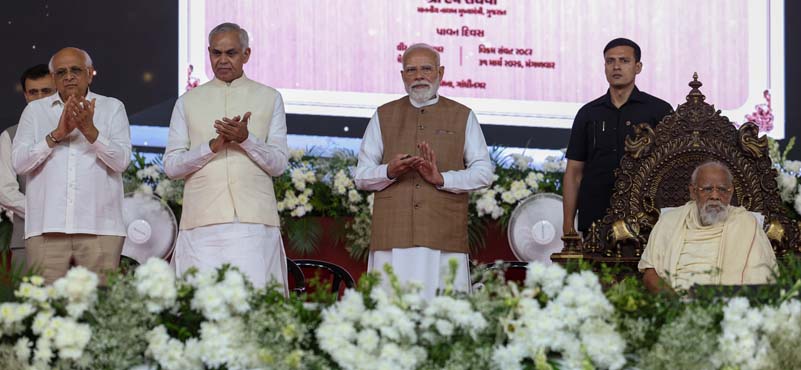
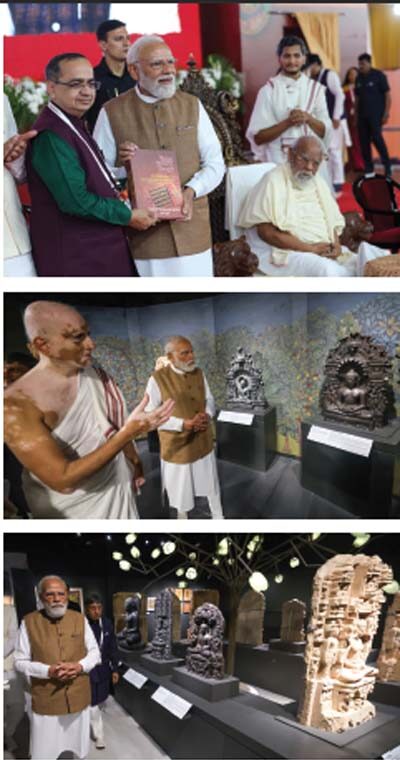
Inaugurated by PM Narendra Modi on March 31, 2026, on Mahavir Jayanti, the Samrat Samprati Museum in Gandhinagar, Gujarat, is a major new repository of Jain history and art. Located at the Shri Mahavir Jain Aradhana Kendra in Koba Tirth, it houses over 2,000 rare artifacts—including manuscripts, idols, and paintings—arranged across seven thematic wings to showcase Jain culture and its philosophical foundations.
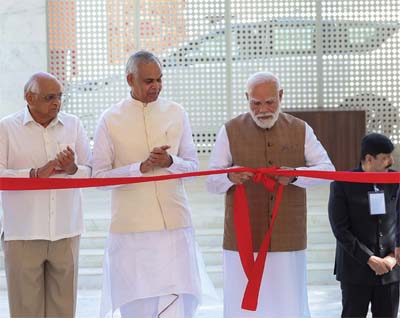 The museum acts as a “Kala-Tirth,” aiming to preserve and promote Jain art and architecture, serving as a significant educational resource for visitors interested in Indian philosophical history.
The Gateway to Jain Heritage
The museum is located within the Shri Mahavir Jain Aradhana Kendra at Koba Tirth. Its modern architecture is designed to reflect the grandeur of India’s spiritual history, dedicated to Samrat Samprati, the Mauryan emperor and grandson of Ashoka, who was a pivotal patron of Jainism.
The Seven Sacred Wings
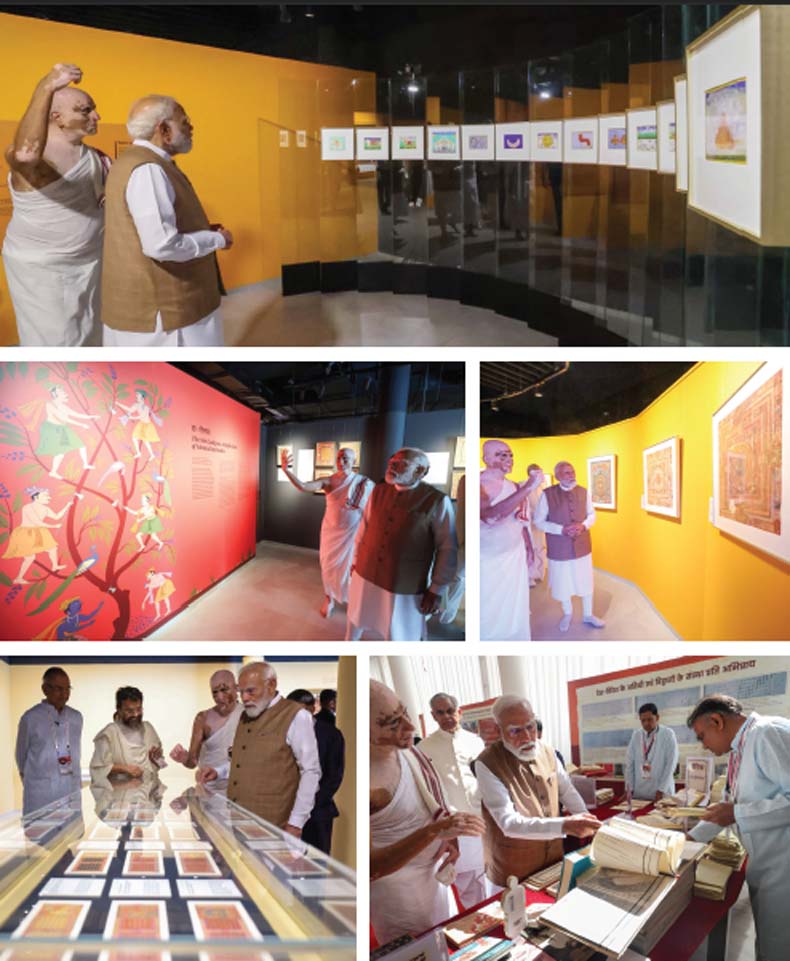
The museum’s interior is divided into seven distinct galleries that chronologically narrate the evolution of Jain philosophy.
- The Navpad Gallery: Focuses on the nine supreme entities (Arihant, Siddha, etc.) and the core principles of Samyak Darshan (Right Faith).
- Tirthankara Tales: Artistically brings to life the teachings and life events of the 24 Tirthankaras through sculptures and digital installations.
- Unity in Diversity: Uniquely, the museum also houses artifacts from Vedic and Buddhist traditions, illustrating India’s historical religious harmony.
 Guardians of the Written Word (Shrut Tradition)
One of the museum’s most critical assets is its collection of over 200,000 rare manuscripts. Priceless Manuscripts: Thousands of books written on palm leaves and paper dating back centuries are preserved here.
- Royal Decrees: The collection includes farmans (notifications) from Mughal kings, showcasing the historical legal protections afforded to Jain sites.
Artistic Treasures and Antiquities
The museum showcases more than 2,000 rare artifacts that span from 200 BCE to the medieval period.
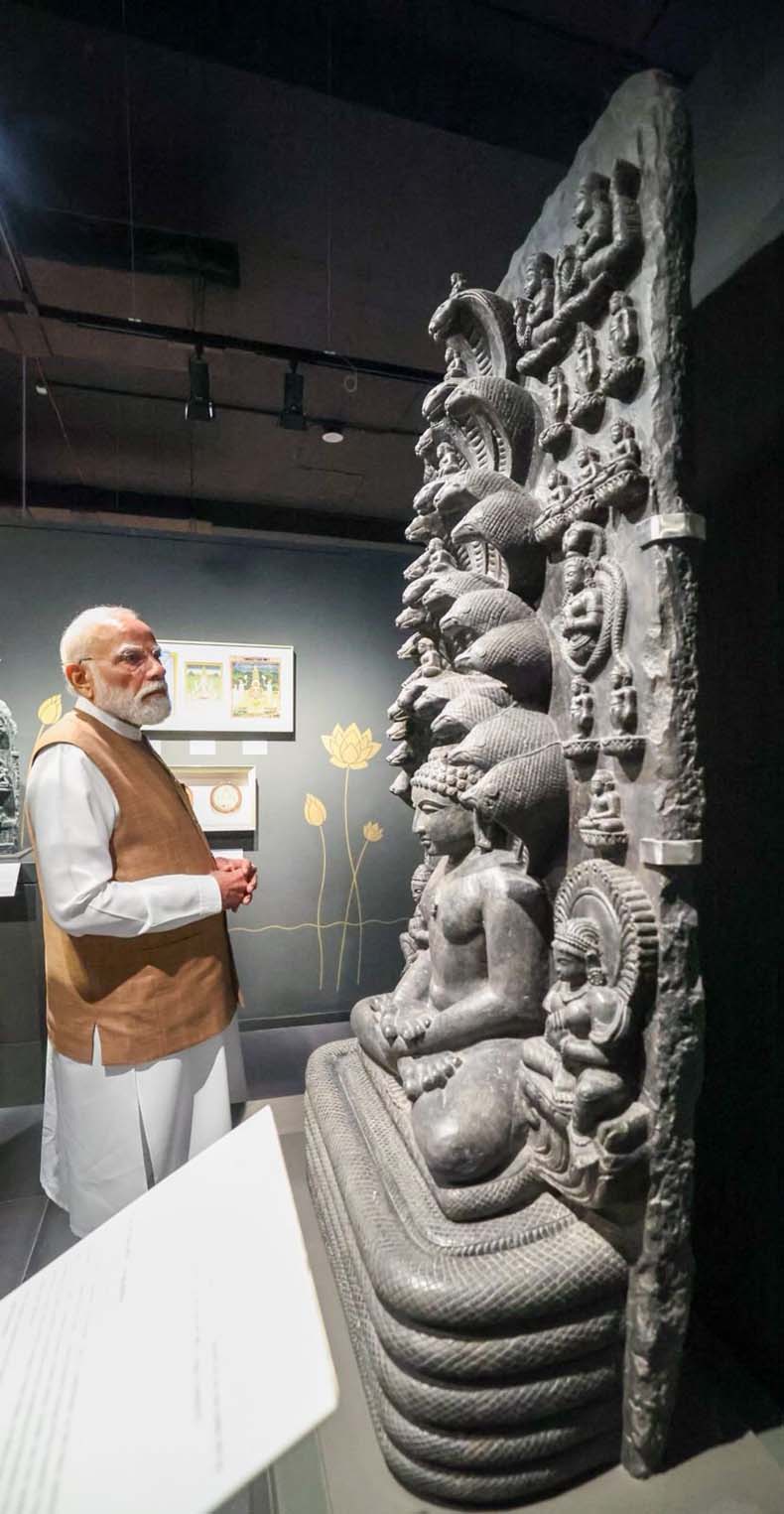
- Idols & Sculptures: Intricately carved stone and metal idols, including the rare Chaumukha-Pratima (four-fold images) found in Mathura and Kausambi.
- Gemstones & Ivory: Artistic pieces made of precious gemstones, sandalwood, ivory, and bronze.
- Secular Relics: The collection also features old currencies, stamps, and an 18th-century sword with Persian inscriptions mentioning Guru Hargovind Singh.
A Living Center of Knowledge
Beyond static displays, the museum integrates cutting-edge audio-visual technology to engage modern visitors. It serves as a bridge between the spiritual “Gyaan” (Knowledge) of the past and the “Sadhana” (Practice) of the future, making the teachings of Bhagwan Mahavir accessible to a global audience.