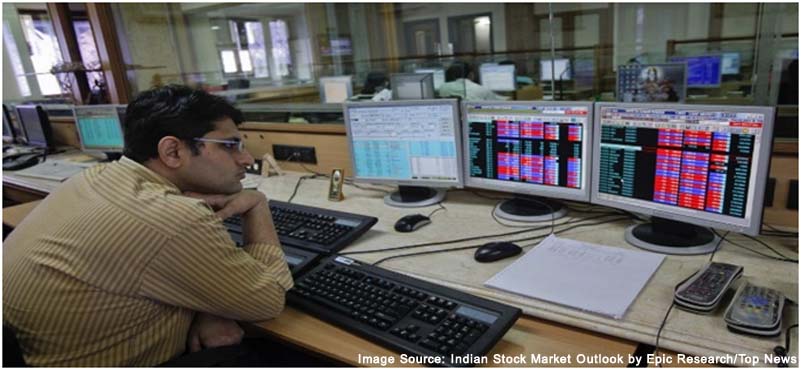

Introduction: The Closing of a Chapter, the Opening of a Path
We are no longer in an era of gradual transitions—we are in an era of systemic tipping points. The defining challenge before us is not theoretical; it is existential. The convergence of climate instability, economic inequality, and institutional fragility has created what the World Economic Forum defines as a “polycrisis”—a situation where interconnected risks amplify one another within the broader trajectory of ecological transition.
Accordingly, the central trilemma of our time: sustaining the planet, strengthening resilience, and ensuring inclusive development, assumes considerable contextual significance. These aspects are not sequestered agendas; they are structurally interdependent systems and, therefore, an urgent and shared responsibility. Empirical evidence strongly supports that countries with high inequality experience two to three times greater climate vulnerability (UNDP, 2024). Social fragmentation reduces disaster recovery speeds by up to 40% (World Bank resilience studies). Inclusive economies demonstrate higher long-term growth stability (IMF, 2023). Thus, sustainability without inclusion is unstable, resilience without equity is incomplete, and growth without sustainability is self-defeating.
The Intergovernmental Panel on Climate Change (IPCC’s) Sixth Assessment Report, authored by 278 scientists from 65 countries, provides a stark quantitative warning that, to limit warming to 1.5°C, global emissions must fall by 43 to 45% by 2030 (from 2019 levels). Yet current policies put the world on track for ~2.5 to 2.9°C warming by the end of the century. Climate damages could reduce global GDP by up to 18% by 2050 under high-emission scenarios. This is not a distant future; it is an unfolding present.
Rapid action, such as accelerating renewable energy, improving efficiency, protecting forests, and adopting sustainable consumption, can significantly reduce losses and damages. However, some impacts will remain unavoidable, highlighting the urgency of both mitigation and adaptation strategies worldwide.

Imminent Apocalypse?
The contemporary global landscape is defined by a convergence of systemic risks that no longer operate in isolation but reinforce one another in complex ways. Climate change is not merely an environmental issue; it is increasingly understood as a structural force shaping economic stability, public health, migration patterns, and geopolitical relations. Its role as a “threat multiplier” lies in its capacity to intensify pre-existing vulnerabilities, particularly in low- and middle-income countries, by compounding stresses on food systems, water availability, and livelihoods.
Recent research underscores that climate-induced shocks, such as floods, droughts, and heatwaves, are no longer episodic disruptions but recurring features of the global economy. These shocks directly affect agricultural productivity, disrupt supply chains, and contribute to price volatility, especially in essential commodities. In countries like India, where a large proportion of the population depends on climate-sensitive sectors such as agriculture, these impacts translate into heightened risks to food security, rural incomes, and overall social welfare. Crop failures, soil degradation, and water stress are already altering patterns of cultivation, necessitating urgent adaptation strategies, such as climate-resilient crops, improved irrigation systems, and localised agroecological practices.
At the macroeconomic level, there is growing recognition that traditional policy tools, particularly those used by central banks, may be insufficient to address climate-driven inflation. Food and energy price spikes linked to climate events challenge the effectiveness of interest rate adjustments alone. This has prompted discussions around “green monetary policy,” including targeted credit allocation for sustainable sectors, climate risk stress-testing in financial systems, and incentives for low-carbon investments. Integrating climate considerations into financial governance is increasingly seen as essential for long-term economic stability.
Inequality remains a central axis along which climate impacts are distributed. Vulnerable populations—smallholder farmers, informal workers, coastal communities, and marginalised social groups—bear a disproportionate burden of climate risks despite contributing the least to global emissions. This asymmetry not only exacerbates income and opportunity gaps but also raises ethical and political questions about climate justice. Gender, caste, and regional disparities further shape how climate impacts are experienced, reinforcing the need for intersectional policy frameworks that align with the Sustainable Development Goals (SDGs).
Emerging scholarship also points to the links between global economic systems and environmental degradation. Critiques of neoliberal growth models argue that an overemphasis on deregulation, resource extraction, and short-term profit maximisation has accelerated ecological decline while weakening social safety nets. In this context, climate change is not an external shock but a consequence of structural economic choices. The result is a feedback loop in which environmental stress deepens inequality, and inequality, in turn, reduces the capacity for effective climate response.
One of the most visible human consequences of this dynamic is the rise of climate-induced migration. As livelihoods become untenable due to sea-level rise, desertification, or extreme weather, populations are forced to move—often without adequate legal recognition or institutional support. These “climate refugees” challenge existing frameworks of migration governance and highlight the need for international cooperation and rights-based approaches.
Addressing these intertwined crises requires a shift from fragmented policy responses to integrated, systems-based approaches. This includes investing in climate-resilient infrastructure, strengthening social protection systems, promoting sustainable agricultural transitions, and embedding equity considerations across all levels of policymaking. It also requires rethinking development paradigms to prioritise resilience, inclusivity, and ecological sustainability over narrow measures of economic growth.
Ultimately, the climate crisis is as much a question of political economy and social justice as it is of environmental science. Without coordinated and equitable action, the risks it poses will continue to cascade across sectors and societies, deepening existing fractures and creating new forms of instability. Dushyant, a famous Hindi poet, wrote eloquently,
“सिर्फ हंगामा खड़ा करना मिरा मक़्सद नहीं,
मेरी कोशिश है कि ये सूरत बदलनी चाहिए।“
English translation:
My purpose is not just to create an uproar/commotion,
My effort is that this situation (status quo) should change
At the same time, we also stand at a moment of extraordinary possibility. Technology, innovation, and global cooperation can still help us surmount the travails of transition and build a better future—if we choose to use them wisely and fairly.
As climate activist Vanessa Nakate has reminded us, climate change is not an abstract statistic. It is about people, communities, and lives already being affected. That truth must remain at the centre of our development paradigms and recalibrated priorities. This assumes importance because the “Decade of Action” is no longer a prospect; it is our current, high-stakes reality.
Concept of Sustainable Development: From Normative Ideal to Economic Necessity
I have forcefully promoted the concept of Sustainable development in all its forms and manifestations in my papers (e.g., “Sustainable Development: Role in Enhancing Economic Growth”, Hindu Business Line, June 4, 2004), speeches, and interviews for about thirty years. Sustainable development implies “development that meets the needs of the present generation without compromising the ability of future generations to meet their own needs” (Brundtland Commission, 1987). The Brundtland definition remains foundational, but modern evidence has transformed sustainability from a moral aspiration into an economic imperative.
Growth is no longer the unquestioned Holy Grail. Accordingly, the strategy of sustainable development encompasses four basic themes in conformity with ubiquitous human needs and requirements, halting of irrevocable environmental destruction, judicious utilisation of flora and fauna and a broad-based process and pattern of growth aimed at harmonising economic growth and distributive equity.
The principles of equity and “common but differentiated responsibility and respective capabilities (CBDR-RC)” require all nations to save the planet, but the skewed distribution of global income and wealth justifiably necessitate a greater financial burden on rich countries than poor nations. This resonates strongly today because the top 10% of global emitters contribute ~50% of emissions, while the bottom 50% contributes only ~10% (Oxfam, 2023). Yet, the poorest countries face the highest climate damages relative to GDP. This asymmetry is not just ethical; it is economically destabilising.
Equitable sustainable energy policies and programmes require a holistic approach at international, national, regional, sectoral and project levels for a comprehensive assessment and perspective. In sum, the background environmental processes need not be taken as exogenously given. While some welcome measures have been initiated, such measures need to be strongly reinforced by a different mindset, fostering transformational changes, cross-sectoral decisions, macro-economic policy, the sensitisation of the common man to environmental concerns and the realisation of the potential economic value of the ecosystem for the markets and their attendant implications.
Key Evolution in Thinking
There has been a tectonic shift in the theoretical construct and empirical evidence over the years. The old paradigm of growth vs environment (trade-off) has given way to a new evidence-based paradigm of growth through sustainability. According to the OECD, green growth policies can increase GDP by 2 to 3% in the long run. Air pollution alone causes ~7 million premature deaths annually (WHO), imposing massive economic costs.
Strategy For Environment-Friendly Development
Environmental problems emanate from land degradation and depletion of natural resources; uninhabitable human settlements due to inadequate shelter, sanitation and water supplies; soil, water and air pollution; and global issues like global warming, ozone depletion and loss of biodiversity. Accordingly, environmental concerns need to be dovetailed into development planning at all levels- project, sectoral, regional and national to formulate a coherent strategy for environment-friendly development:
| Level | Integration of Environmental Policies and Procedures | Environmental Assessment Planning or Management Techniques Used |
| National | Environmental policy is included in the national action plan | Environmental profiles International Assistance Agency Country Programming. |
| Regional | Economic-cum-environmental development | Integrated regional development planning. Land use planning Environmental master plans. |
| Sectoral | Sectoral review linked with other economic sectors | Sector environmental guidelines. Sector review strategy. |
| Project | Environmental review of project activities: EIA procedures. | EIA Environmental guidelines |
The Present Position: A Landscape of Fragile Progress
The global commitment to sustainability has been structurally articulated in the SDGs. Significant progress has been made in areas such as renewable energy adoption, digital inclusion, and poverty reduction in several regions. Many countries have embraced green transitions, ESG frameworks, and climate-responsive policies.
1. The Green Transition is Accelerating but Uneven
This position is starkly manifested in the fact that renewable energy capacity grew ~17% globally in 2025. Solar is now the cheapest electricity source in history (IEA). However, fossil fuels still account for ~80% of global energy consumption. Coal demand hit record highs in recent years, reflecting energy security concerns. These aspects lead us to the disconcerting inference that transition is technologically viable but politically constrained.
2. Resilience, which was once confined to disaster management, has now expanded to encompass economic systems, urban planning, healthcare, and institutional governance. The resilience imperative is becoming central with climate-related disasters increasing fivefold since the 1970s (UNDRR), annual economic losses exceeding $300 billion globally, and every $1 invested in resilience yielding $4 to $7 in avoided losses. The “shocks” we once considered “black swan” events—pandemic-level health crises, extreme weather events, and volatile supply chain disruptions—are now recognised as recurring features of a complex, interconnected global system. These aspects demonstrate that resilience is now a core macroeconomic strategy, not just disaster response.
The universal adoption of the “Resilience Dividend”, where every dollar spent on climate adaptation must also demonstrably reduce social inequality, is helpful. Accordingly, many nations have successfully integrated climate risk and resilience into their national budgets.
3. Transitioning to a Truly Circular and Inclusive Economy
We must close the loop. The game plan involves a shift from a “take-make-waste” economy to a “regenerative” one. This includes:
- Decoupling Growth from Resource Consumption: Making circularity the default, not the exception. Strengthening climate action and green transitions requires accelerating the shift to renewable energy, promoting circular economy practices, and investing in nature-based solutions. Equally important is climate finance, ensuring that resources flow to the needy, vulnerable regions and communities.
- Inclusive Labour Markets: Ensuring the “Green Jobs” of the future are accessible to youth, women, and marginalised groups through massive investment in vocational re-skilling.
- Advancing Inclusive Development
Inclusivity involves enhancing access to education, healthcare, and digital infrastructure; promoting gender equality; and ensuring that marginalised communities are active participants in development processes. - Equitable Finance: Reforming the international financial architecture to provide “Climate Justice” through debt-for-nature swaps and expanded concessionary lending.
- Reimagining Development Paradigms
We must move beyond GDP-centric models towards holistic frameworks that integrate environmental sustainability, social equity, and human well-being. Development must be measured not only by economic output but also by the quality and inclusiveness of growth. - Leveraging Technology and Innovation
Digital technologies, artificial intelligence, and data analytics can be powerful enablers of sustainability and inclusion. But the digital divide is becoming an AI divide since ~2.6 billion people remain offline (ITU, 2024), AI investment is concentrated in fewer than 10 countries controlling ~85% of capabilities, and informal workers (~2.1 billion globally) face automation risks without safety nets. Viewed thereof, technological inequality could surpass income inequality as the primary driver of exclusion. Hence, their deployment must be guided by ethical considerations, equity, and accessibility. - Fostering Collaborative Governance
The challenges we face are global in nature and require collective action. Governments, academia, industry, and civil society must work in synergy. Multilateral cooperation, knowledge-sharing, and partnerships will be critical in scaling solutions. - Investing in Education and Leadership
As many of our deliberations have underscored, higher education institutions must play a transformative role. They are not just centres of learning but incubators of ideas, innovation, and leadership. Building capacities for sustainability and resilience must become integral to curricula and research agendas.
The Challenges: The “Triad of Turbulence”
1. Fragmentation vs Global Cooperation
Climate finance commitments ($100 billion/year) remain partially unmet and unevenly distributed. Trade fragmentation could reduce global GDP by up to 7% (IMF estimates). Global problems are being addressed with fragmented governance architectures.
2. Climate Change: The Defining Constraint
The year 2024–2025 was recorded among the hottest years in human history. Extreme heat events now affect over 3.5 billion people annually. The “adaptation gap” is widening, and developing countries need $200–400 billion/year, but receive less than 25% of this.
3. Hidden Risks of the Green Transition
Critical minerals demand (lithium, cobalt, rare earths) may rise 4 to 6 times by 2040. Mining expansion risks ecological degradation, labour exploitation, and geopolitical concentration [e.g., over 60% cobalt from the Democratic Republic of Congo (DRC)]. This leads us to the paradoxical situation, where green transition can reproduce extractive inequalities if not governed responsibly.
4. The Financing Gap
The SDG financing gap is estimated at $4–4.5 trillion annually (UN estimates). Developing countries spend more on debt servicing than on climate adaptation. Thus, while capital exists, allocation is inequitable and risk-averse.
5. Institutional and Governance Deficits
Policy fragmentation reduces implementation efficiency by 30–50% (World Bank governance metrics). Short political cycles undermine long-term sustainability investments.
The Pathway to the Future: A Blueprint for 2030 and Beyond
The path forward cannot afford hesitation. It must be built on three uncompromising pillars: radical collaboration, systemic resilience, and human-centric inclusion. Incrementalism is no longer acceptable—we must pursue full-scale transformation. That demands a decisive strengthening of the science–policy–society interface, ensuring knowledge does not stagnate in silos but actively drives action.
“Open Science” must break free from journals and become truly global, accessible across borders and communities. Air-quality reform, for instance, cannot remain a cycle of symbolic crisis responses. It requires enforceable corporate accountability—binding obligations rooted in due diligence, strict emission caps, radical transparency, and a firm application of the polluter-pays principle.
At the same time, AI and data analytics must be deployed with purpose and discipline—not as surveillance mechanisms, but as engines of precision sustainability. We should be mapping urban heat islands, advancing precision agriculture that boosts yields by 20–30% while cutting inputs, and optimising resource distribution in real time. Data must be reclaimed as a public good—shared, accessible, and governed in the public interest—not hoarded as a private monopoly.
2. Building Resilient Systems
Resilience must, therefore, be embedded across sectors—urban infrastructure, agriculture, healthcare, and financial systems. This requires robust risk assessment frameworks, adaptive policies, and investments in capacity-building at all levels. Resilience must be “grounded in place-specific social realities”.
We must move beyond “hard” resilience (infrastructure) to “soft” resilience (social safety nets). Social protection systems reduce disaster impacts by ~30%. Universal basic services (health, water, education) are resilience multipliers.
3. Circular and Regenerative Economy
The circular economy could generate $4.5 trillion in economic benefits by 2030 (Accenture) and can reduce global emissions by up to 39%. This requires a shift from linear to circular, and extractive to regenerative.
4. Inclusive Labour and Green Jobs
A green economy could create 24 million new jobs by 2030 (ILO). But transition risks displacing millions without reskilling, necessitating “Just Transition Frameworks”.
5. Reforming Global Finance Architecture requires a broad-based development strategy of going to scale because of the overriding issue of “historical emissions”. Scale must be characterised by debt-for-nature swaps, blended finance models, and climate risk guarantees. A redirection of even 1% of global financial assets (~$4 trillion) could close major SDG gaps.
6. Beyond GDP: Measuring What Matters
GDP ignores environmental degradation, inequality, and well-being. This makes it contextually significant to adopt the Inclusive Wealth Index, Human Development Index (HDI+), and Natural capital accounting for a comprehensive and holistic assessment.
7. Technology with Equity requires ethical AI governance, universal digital infrastructure, and open-access innovation systems. This is important for technology to be a leveller, not a divider.
8. Collaborative Governance requires multi-stakeholder ecosystems, where the Government, Private Sector, Academia, and Civil Society work together in a synchronised manner as partners in development. This is of utmost importance because evidence shows that cross-sector partnerships improve SDG outcomes by ~40% effectiveness.
Paradigm Shift from Diagnosis to Determination
Mainstream thinking tends to approach the climate crisis through three overlapping lenses. First, there are debates rooted in environmental diplomacy, where the focus is on how individual nation-states negotiate responsibility, commitments, and cooperation in mitigation and adaptation efforts. These discussions often revolve around international agreements, burden-sharing, and questions of equity between the Global North and South – often subsumed in the broad concept of “historical emissions”. Second, there are policy frameworks grounded in climate science, which translate scientific findings into actionable mitigation strategies, technological pathways, and regulatory mechanisms. These approaches emphasise emissions reduction targets, renewable energy transitions, and resilience planning, often privileging technical solutions and expert-driven governance. Third, the climate crisis is increasingly interpreted through the prism of environmental justice movements and grassroots social interventions, which highlight how climate impacts are unevenly distributed and deeply entangled with issues of inequality, marginalisation, and rights.
While these perspectives are valuable and often intersect, dominant climate discourse remains underdeveloped in its nuanced historical understanding of how the crisis is embedded in long-term social formations. Climate change is not merely a contemporary policy or scientific problem; it is the outcome of centuries of economic systems, colonial expansion, industrialisation, and patterns of resource extraction that have reshaped ecosystems and societies. Without situating the crisis within these historical processes, current analyses risk treating its causes and consequences as isolated or ahistorical, thereby treating the symptoms rather than the disease.
Integrating critical historical thinking into climate debates can significantly deepen both analysis and action. Such an approach would not only trace the roots of environmental degradation but also examine how power, class, caste, and labour relations have structured vulnerability and resilience over time. It would connect past and present forms of dispossession, showing how certain communities have been systematically exposed to environmental risks while others have disproportionately benefited from resource-intensive development.
The emerging field of critical climate history offers one pathway for such an intervention. Drawing, in part, on Marxist perspectives, it situates the climate crisis within broader socio-economic transformations, particularly the dynamics of capitalism, accumulation, and uneven development. This framework enables a more grounded understanding of local struggles as expressions of larger historical processes. For instance, people’s movements in the coastal resistance in Chellanam, Kochi, where communities mobilise against foreshore erosion and the failures of state-led coastal management, can be seen not just as isolated environmental protests but as historically rooted struggles over livelihood, land, and ecological justice.
Expanding this line of thinking opens additional avenues for reimagining climate discourse. It encourages interdisciplinary dialogue among historians, social scientists, climate scientists, and activists; foregrounds subaltern and indigenous histories that are often excluded from mainstream narratives; and questions dominant development models that continue to reproduce ecological harm. It also suggests the need to rethink temporal scales, linking immediate climate impacts with long-term historical trajectories, and spatial scales, from local struggles to global systems.
Ultimately, bringing a critical historical perspective into climate debates adds more than another analytical layer. It reshapes how the problem itself is understood, shifting the focus from symptoms to structural causes, and from short-term fixes to transformative change. Such an approach has the potential to bridge policy, science, and social movements in more meaningful ways, fostering responses to the climate crisis that are not only effective but also just and historically informed.
No Inherent Disconnect Between Economic Growth and Sustainable Development
In my paper entitled “Sustainable Development in A World of Critical Ferment: Issue of Compulsion, Not of Choice for Developing Countries” presented at the International Conference on Globalization, Technology and Sustainable Development held at Abu Dhabi, UAE in November, 2005, I demonstrated that in the ultimate analysis, eco-friendly growth is often the best, sometimes the only method, of enhancing economic development. This thesis continues to be valid today. Environmental degradation costs ~6 to 8% of GDP annually in many developing countries. Climate inaction could cost far more than mitigation investments.
The real barrier is not technological; it is political economy, which determines the distribution of costs, intergenerational equity, and institutional inertia. The transition ahead requires policy innovation, behavioural change, and mass mobilisation.
There is, therefore, no unavoidable trade-off between environment and development objectives, and a synergistic relationship exists between growth and employment, employment and environment and environment and growth. Worldwide experiences demonstrate that environmentally unsustainable practices are more expensive in the long run because of human and health costs and loss of capability. The failure to implement effective long-term policies is attributable “to the social and political problems associated with distributing costs and benefits within and between groups and generations” (World Development Report, 2003). In overcoming the scourge of environmental catastrophe, devising an appropriate policy framework to evolve a suitable collaborative arrangement between the government and the voluntary sector is necessary to satisfy the concerns of all stakeholders – the government, industry, community, customers and society at large.
Asymmetric information renders both the ‘quantity instruments’ approach, e.g., cap and trade and the ‘price instruments’ approach, e.g., carbon taxes, difficult and the resulting mechanism is, at best, a second-best solution and at worst, grossly inadequate, necessitating far greater coverage of cap and trade. It is a difficult task, but with the cooperation of all stakeholders, the societal tipping point is eminently manageable by a thorough examination, utilising various interconnectedness frameworks.
We need to make a basic change to reorient with the VUCA times and stay ahead of the curve. VUCA traditionally stood for volatility, uncertainty, complexity and ambiguity. Contrary to popular perception, Harvard Professor Bill George’s newer concept of VUCA necessitates VUCA 2.0 comprising vision, understanding, courage and adaptability. Accordingly, a judicious mix of area-specific programmes by considering cost, environment and convenience needs innovative and out-of-the-box thinking. We really need political change at every level, from local to global, to intensify our efforts to transform all our major systems by 2050: energy, transportation, industry, agriculture, and waste management.
The commonality of interest and the consequent necessity of collective action require dynamic and scientific approaches, equitable allocation of resources, global collaborations, attention to quality of economic growth and new technologies, such as, geographic information systems (GIS), decision science and research method for efficient resource use to reshape our current systems and advance solutions for the future—instead of further locking in our fossil-fuel-intensive past by effectively using all measures in our toolkit. Hence, meticulous planning needs to be accompanied by scrupulous implementation, not just through quantity and price instruments but also through a heightened consciousness of sensitisation, behavioural change, communication, education, mass movement and the participation of all persons and groups on a war footing to develop, implement, and adapt the strategy for the ecological poly-crisis.
There are also issues of a proper policy framework, effective regulatory mechanisms, eco-friendly alternatives, synergistic collaboration with educational institutions and civil society and effective cleanup instruments. Otherwise, the outcome would be ‘the worst of all possible worlds’ for the citizens of the world. This catastrophic tragedy is “awesome”, stemming from “the integral and interdependent nature of the Earth, our home”.
VUCA 2.0—Vision, Understanding, Courage, Adaptability—is not optional; it is foundational. The path forward demands systems thinking over siloed policy, long-term resilience over short-term gains, and equity as the core metric of success. If we succeed, sustainability will not be remembered as a constraint, but as the greatest economic and civilizational opportunity of the 21st century. If we fail, the cost will not be theoretical; it will be lived. At this defining moment of history, the choice remains ours. Human ingenuity is our greatest renewable resource. We must act with urgency, but also with wisdom. With ambition, but also with empathy. And above all, with a shared sense of purpose, the political courage and the moral imagination to act. As Winston Churchill stressed decades ago, “this is no time for ease and comfort; it is the time to dare and endure”.
Let us strive to build a world that is not only sustainable and resilient but also just and inclusive—a world where progress is shared, opportunities are equitable, and the planet is preserved for future generations.
Based on the Valedictory Address Delivered at the International Conference on Sustainability, Resilience, and Inclusive Development (ICSRID 2026), Ram Lal Anand College, University of Delhi, on April 10, 2026.
ABOUT THE AUTHOR
 Dr. Manoranjan Sharma is Chief Economist, Infomerics, India. With a brilliant academic record, he has over 250 publications and six books. His views have been cited in the Associated Press, New York; Dow Jones, New York; International Herald Tribune, New York; Wall Street Journal, New York.