*Stephanian and FMS Voyagers*: Learning Through Shared Exploration (An alumni initiative)
Most alumni networks are built around nostalgia or professional networking. Stephanian and FMS Voyagers emerged from a quieter and more lasting impulse: the desire to continue learning together long after classrooms were left behind.
 *Stephanian Voyagers* began in January 2024, followed by *FMS Voyagers* , founded in April 2024. Together, *they form a largely Delhi NCR based collective of alumni brought together by a simple idea, to explore places, ideas, and histories with curiosity and intent.*
What began as small, independent groups has, in under two years, grown into an active initiative that has completed over fifty voyages, each designed to encourage discovery, conversation, and connection.
The word Voyage reflects the initiative’s philosophy. These are not sightseeing outings or purely social gatherings. Each experience is grounded in context, learning, and shared attention.
Whether exploring a familiar neighbourhood or a significant national institution, the focus remains on understanding rather than consumption.
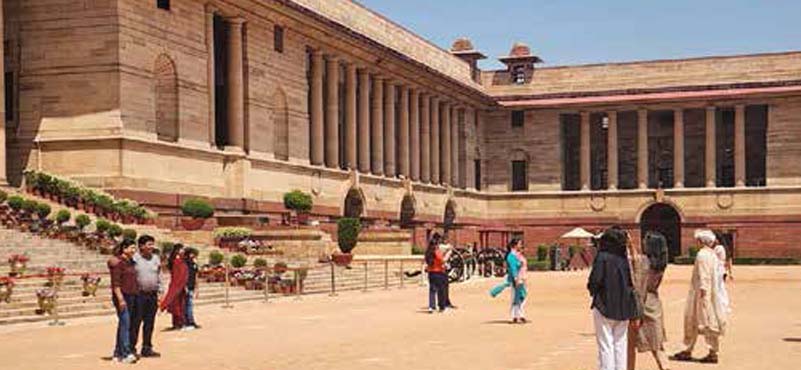
 A recent visit to Rashtrapati Bhavan offered a vivid illustration of this approach. Some places impress you. Rashtrapati Bhavan unsettles you, quietly. Approaching Raisina Hill, the scale is immediate and overwhelming. Yet the experience is not about size alone. It is about time, continuity, and how meaning shifts even when stone does not.
The experience was significantly enriched by the presence of Swapna Liddle, a Stephanian and one of Delhi’s most respected historians. Her ability to layer context, narrative, and architectural detail transformed the visit from observation into understanding, adding depth and meaning that extended well beyond what the eye could see.
Moving through the vast ceremonial spaces is both a physical and reflective act. The architecture resists a single narrative. The dome evokes Sanchi, the symmetry is European, the jaalis are Mughal, and the forecourt is anchored by the Jaipur Column. The building does not resolve these contradictions. It holds them.
As one participant reflected, what stands out is the seamless blending of influences. Edwin Lutyens’ design incorporates Indian architectural elements within a grand imperial framework, creating a structure that feels deeply rooted in the country’s heritage.
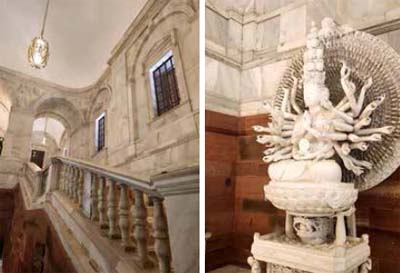 This fusion, achieved at such scale, reflects a rare level of thoughtfulness in design.
Inside, spaces such as Ganatantra Mandap and Ashok Mandap reveal how meaning evolves. Renaming, repurposing, and reinterpretation sit alongside original design. The architecture remains, but its voice changes. What was once imperial becomes something more layered, more contested, and more owned. The interiors leave a lasting impression. The scale and ornamentation of these halls are not merely visual experiences, but evoke a heightened awareness of the history they have witnessed.
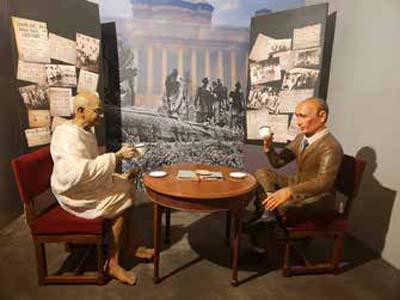
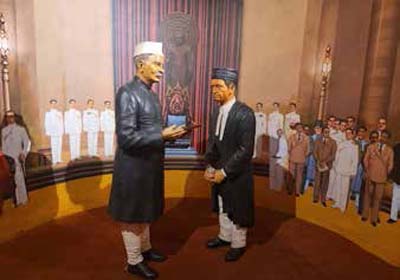
The visit extended into the Rashtrapati Bhavan Museum, housed in the former stables, where artifacts, state gifts, and historical installations added another dimension. The transition from monumental space to curated narrative allowed participants to move between history as lived experience and history as interpretation. Beyond the building, the sheer expanse of the estate revealed itself gradually. The sprawling lawns, including the Amrit Udyan, added a sense of openness and contrast to the architectural density, expanding the experience beyond interiors. The day was also physically demanding.
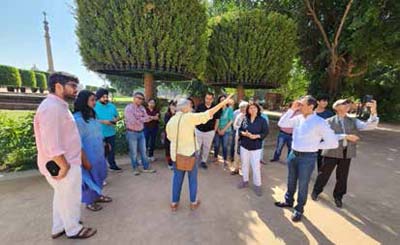 Long corridors, extended time on foot, and the intensity of the heat shaped the experience in quieter ways. Yet this too became part of the journey. Engagement here was not passive. It required attention, movement, and presence.
As one participant observed:
“The walk was extremely well organised… we managed to see all the key rooms… and got a fantastic opportunity to view artifacts from over a hundred years ago, including the Delhi Durbar of 1911. The trip was topped by a visit to the RB Museum… Voyager events are a ‘must do’ for Stephanians.” –Dr. Rohan Bedi (SSC, 1988)
Another reflection captured a different dimension of the experience:
“I went expecting to be impressed by scale. I left feeling something quieter. Awe, for me, was realising that a structure can hold multiple meanings at once. It can be imposed and reclaimed, foreign in origin yet deeply Indian in experience. What stays with you is not just what the building is, but what it is becoming.” –Ipsa Ratha (FMS alumnus)*
A further perspective brought together both scale and sentiment:
“What struck me most was how brilliantly Edwin Lutyens wove Indian architectural elements into the grand design, creating a structure deeply rooted in our heritage. The Ashok Hall and Durbar Hall left me in awe, not just for their grandeur, but for the history they have witnessed. The expanse of the estate, the museum, and even the final stop at Mitti Cafe added layers to the experience. Rashtrapati Bhavan is not merely a building, but a living monument to India’s past, present, and aspirations.” –Pankaj Jha (SSC, 1994)*
What emerges from such experiences is not simply knowledge, but connection. Conversations extend beyond the site, often continuing over shared meals, where impressions are revisited and perspectives deepen.
At a time when alumni engagement can become structured and transactional, initiatives like Voyagers offer an alternative. They are voluntary, curiosity led, and grounded in shared presence.
The Rashtrapati Bhavan visit was not an isolated event, but part of a larger philosophy, that learning is ongoing, and that some of the most meaningful connections are formed not in formal settings, but while walking through history together.
(Photographs and text contributed by the group as a collective.)