
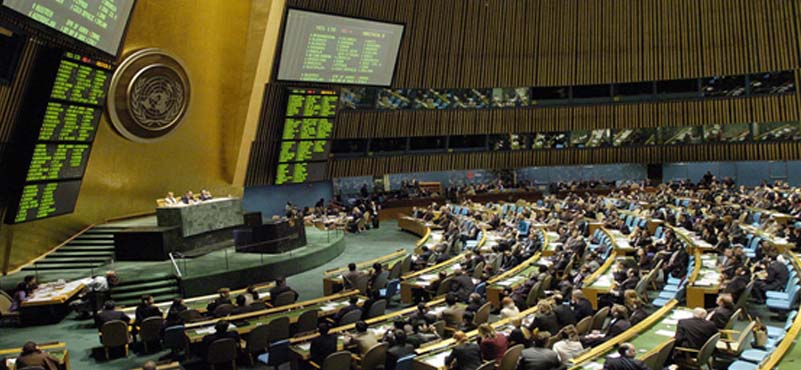
The Organisation the World Cannot Replace
A cynical line often circulates in diplomatic circles:
“If you ever feel useless, think about the United Nations.”
The remark is harsh, yet it captures a widely shared frustration. The institution created to preserve global peace often appears powerless in the face of wars that continue to erupt across the world. From Vietnam to Iraq, from Afghanistan to Ukraine and from Gaza to Iran, major wars have erupted despite the existence of the very institution created to prevent them.
Nearly eight decades after its founding in 1945, the United Nations stands at a strange intersection of indispensability and impotence. The organisation was born out of the ashes of World War II with a bold promise: that collective diplomacy could replace catastrophic global conflict. Yet the same geopolitical rivalries that once plunged the world into war continue to shape the institution meant to restrain them. Ironically, the country most responsible for championing the rules-based international order — the United States — has itself conducted several major military interventions outside explicit approval of the United Nations Security Council. Yet the paradox remains: despite its flaws, no nation seriously proposes dismantling it.
A World Designed in 1945
The UN’s core power lies within the United Nations Security Council. This body carries primary responsibility for maintaining international peace and security. However, its architecture reflects the geopolitical realities of 1945.
Five countries —
- United States.
- Russia.
- China.
- United Kingdom.
- France.
hold permanent seats with veto power.
This means any one of them can block Security Council action. Since 1946, the veto has been used hundreds of times, reflecting the persistent competition among great powers. Between 2015 and 2024 alone, the Security Council witnessed 47 vetoes on draft resolutions, demonstrating how geopolitical rivalry can paralyse decision-making. The veto was originally designed to keep major powers inside the system rather than outside it. The countries most capable of breaking peace are also the ones empowered to block the UN from stopping them.
The Founder’s Paradox
Perhaps the greatest irony lies in the behaviour of the country that played the largest role in establishing the post-war international order. The United States was instrumental in creating the UN and championing the idea of a rules-based global system. Yet several major wars in the post-World War II era proceeded outside explicit UN authorization.
In the case of Iraq in 2003, the military intervention took place without explicit approval from the Security Council after intense diplomatic disagreements among major powers. This dynamic illustrates what analysts often call the Founder’s Paradox: The power that helped design the international order has sometimes bypassed the very mechanisms it created.
A Forum That Cannot Stop Wars — But Manages Their Consequences
Despite these limitations, the UN remains deeply embedded in global crisis management. The organisation rarely stops wars between powerful states. Instead, it manages the humanitarian, diplomatic and reconstruction dimensions of conflict.
For example:
- UN humanitarian agencies delivered $25 billion in global aid, targeting nearly 198 million people in crisis across 77 countries.
- The world currently has over 123 million forcibly displaced people, the highest number ever recorded.
- UN peacekeeping missions operate in multiple conflict zones with multinational forces.
These statistics reveal a critical truth: Even when diplomacy fails to prevent conflict, the international community still relies on the UN to mitigate its consequences.
The Peacekeeping Experiment
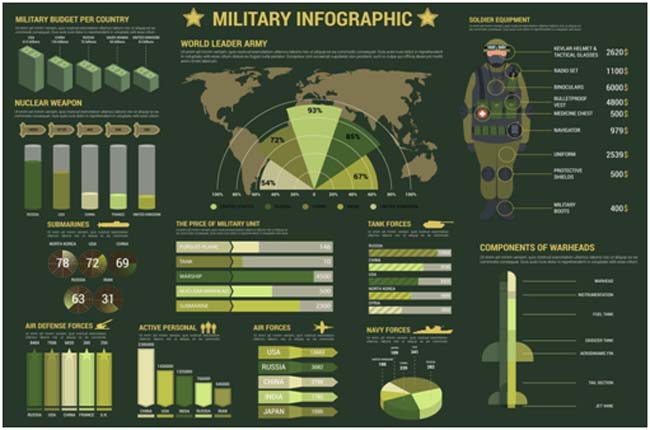
One of the UN’s most visible contributions has been peacekeeping. Since the late 1940s, UN missions have deployed multinational forces to help stabilise conflict zones. At one point, more than 70,000 military and police personnel from over 120 countries were serving in peacekeeping missions worldwide. Countries such as India have played a particularly important role. Today, more than 5,000 Indian peacekeepers serve in UN missions across several conflict regions. The annual peacekeeping budget currently stands at roughly $5.6 billion, a relatively small figure compared with global military expenditure exceeding $2 trillion. Yet even these operations face funding crises and political constraints.
A Financial System Dependent on Great Powers
The UN also faces structural financial vulnerabilities. A significant portion of its funding comes from a few major economies. The United States alone contributes a large share of both the UN’s regular budget and peacekeeping budget. When these contributions fluctuate due to domestic political decisions, UN operations can suffer immediate financial stress. Recent budget disputes and funding delays have forced reductions in peacekeeping forces and humanitarian programmes. Such dependence raises an uncomfortable question: Can a global institution truly remain neutral when it relies financially on a handful of powerful states?
The United Nations and Major Conflicts Since 1945
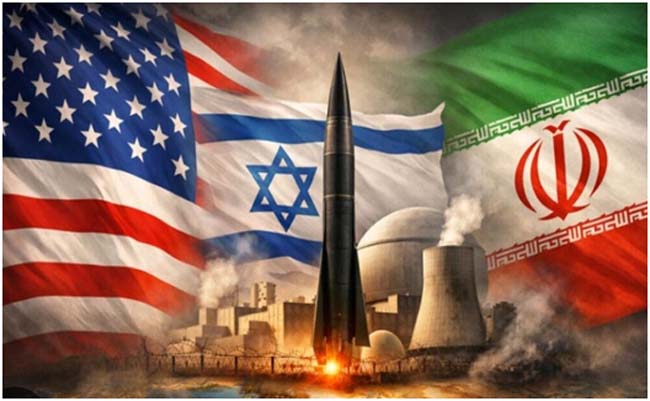
- The Recurring Question: Where Was the UN? Whenever a major war erupts, a familiar question echoes across global public discourse: “Where is the United Nations?” On 11 March, Security Council adopted Resolution 2817, condemning Iran’s retaliatory attacks on Gulf states and Jordan, but issued no comparable condemnation of the earlier strikes on Iran. The UN does not compel powerful nations to comply with its decisions. Instead, the UN operates through consensus among major powers — particularly the five permanent members of the Security Council. When those powers disagree, the institution becomes diplomatically paralysed. This structural limitation explains why the UN has struggled to prevent several of the most consequential conflicts of the modern era including the on-going one in the Middle East.
- The Vietnam War: A Conflict Outside the UN System. The Vietnam War remains one of the most striking examples of a major conflict largely outside the UN framework. Between 1955 and 1975, the war claimed an estimated 2–3 million Vietnamese lives, along with more than 58,000 American soldiers. Despite the enormous scale of the conflict, the UN played almost no direct role in resolving it. The episode demonstrated a critical truth: When great power interests collide, the UN often becomes a spectator rather than an arbiter.
- The Iraq War: A Turning Point for UN Authority. Perhaps the most significant challenge to the UN’s authority came with the 2003 invasion of Iraq. The United States and its coalition partners argued that Iraq’s alleged weapons of mass destruction posed a threat to global security. However, attempts to secure explicit authorization from the UN Security Council failed due to opposition from several permanent members. For many observers, the episode marked a serious blow to the credibility of the UN system.
- Afghanistan: Security Council Support but Limited Control. The war in Afghanistan presented a more complex case. Following the attacks of September 11, 2001, the Security Council recognised the right of self-defence under international law. Subsequent UN resolutions supported the establishment of the International Security Assistance Force (ISAF). Yet the UN itself did not direct military operations. Instead, UN’s role focused on political mediation, humanitarian assistance and reconstruction.
- The Ukraine War: Veto Power in Action. The on-going war in Ukraine has once again exposed the structural limits of the UN system. Because one of the parties to the conflict is a permanent member of the Security Council, any binding resolution against it can be vetoed. This situation illustrates how the UN system can adapt diplomatically — but also how its enforcement capacity remains constrained.
- The Middle East and the Limits of Global Consensus. Conflicts in the Middle East have repeatedly tested the UN’s capacity to act. Debates over resolutions concerning the Gaza conflict and wider regional tensions often reflect deep divisions among major powers. While this may appear frustrating, it also serves an important function: It allows global powers to communicate, negotiate and signal intentions without escalating directly into confrontation.
The Veto: A Mechanism of Stability or Paralysis?
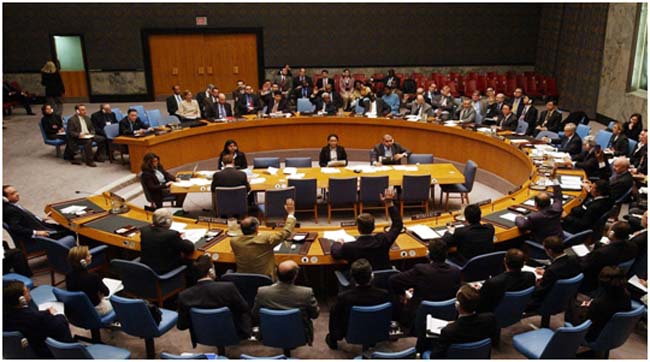
The veto remains the most controversial feature of the UN system. Without the veto, great powers might simply ignore the organisation entirely. Critics counter that the veto has produced institutional paralysis, particularly in crises involving major powers or their allies. Since the founding of the UN, vetoes have frequently blocked action on issues ranging from regional conflicts to humanitarian crises. The result is a recurring cycle:
- Crisis emerges.
- Security Council debates resolution.
- Veto blocks action.
- Conflict continues outside the UN framework.
India and the Question of Representation
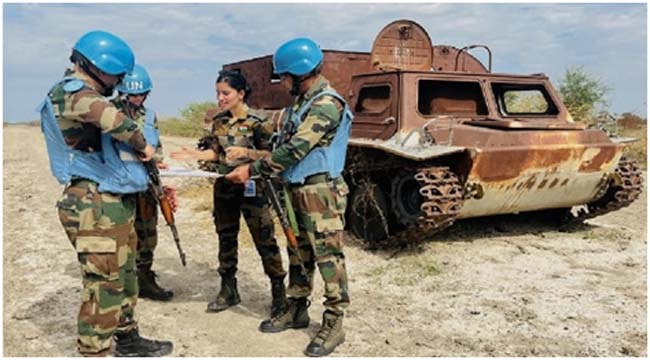
No discussion on reforming the United Nations Security Council can ignore the case of India. Home to nearly one-sixth of humanity and now among the world’s largest economies, India represents a demographic, economic and geopolitical weight that the current UN structure fails to reflect. Since the 1950s, India has been one of the most consistent contributors to UN peacekeeping missions, deploying more than 250,000 troops across over 50 operations, one of the highest contributions by any nation. It has also emerged as a leading voice for the Global South on issues ranging from development and climate equity to reform of international institutions. Supporters of reform argue that a Security Council without India — and without permanent representation from Africa and Latin America — reflects the strategic realities of 1945 rather than the multipolar world of the twenty-first century. Expanding the council to include India and other major emerging powers would therefore not simply add new seats; it would restore legitimacy to the institution responsible for maintaining global peace.
The Case for Reform Becomes Stronger
As global power becomes more distributed among emerging economies and regional powers, the limitations of the current UN structure are becoming increasingly visible. The Security Council still reflects the geopolitical realities of the immediate post-World War II era. Many analysts argue that this mismatch between global power distribution and institutional representation is undermining the legitimacy of the organisation. Without reform, the risk is not that the UN will disappear — but that it will gradually lose relevance in shaping global security.
Global Governance at a Crossroads
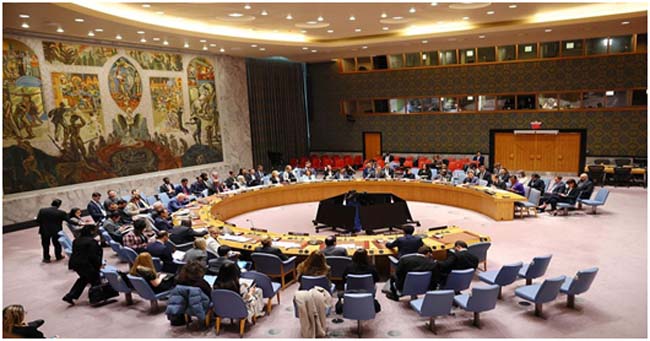
Nearly eighty years after its creation, the United Nations stands at a critical crossroads. The institution that emerged from the ashes of World War II still forms the backbone of global diplomacy. In 1945 the UN had 51 member states. Today it has 193 nations, representing vastly different political systems, economic capabilities and geopolitical interests. The distribution of global power has also shifted profoundly. Emerging economies now account for a much larger share of global population, economic output and military capability than they did in the mid-twentieth century. However, the institutional structure of the UN — particularly the Security Council — still reflects the geopolitical order of 1945 rather than the realities of 2026. This mismatch between power and representation has become the central challenge confronting the organisation. If the UN is to remain relevant, it must undergo significant reform.
- Expanding the Security Council. The most widely discussed reform concerns the expansion of the Security Council. Currently the council has 15 members:
- 5 permanent members.
- 10 rotating non-permanent members elected for two-year terms.
Many analysts argue that this structure fails to represent the diversity and geopolitical realities of the modern world. Entire regions remain under-represented. Africa, for example, has no permanent representation, despite being home to over 1.4 billion people and 54 countries. Similarly, major emerging powers with large populations and global influence remain outside the permanent structure. A widely discussed proposal involves expanding the Security Council to 25 members, including several new permanent seats. Countries frequently mentioned in reform discussions include:
- India.
- Brazil.
- Germany.
- Japan.
Expanding the council would therefore make it more reflective of contemporary global power.
- Reforming the Veto System. While expanding membership could improve representation, the question of veto power remains far more complex. The veto held by the five permanent members allows any one of them to block Security Council resolutions. Since the UN’s founding, vetoes have been used hundreds of times, often preventing decisive action during crises. Many reform proposals suggest limiting the veto in specific circumstances. One widely discussed proposal would prevent vetoes in cases involving:
- Genocide.
- War crimes.
- Crimes against humanity.
Another proposal suggests that if a veto is exercised, the issue should automatically be referred to the UN General Assembly for broader review. Some analysts advocate a “double veto” system, where at least two permanent members must jointly veto a resolution for it to fail.
- Strengthening Peacekeeping Capabilities. Another major reform area concerns UN peacekeeping operations. Peacekeeping missions have often been criticised for limited resources, slow deployment and unclear mandates. Improving these missions could significantly enhance the UN’s ability to stabilise conflict zones. Possible reforms include:
- Creating a permanent rapid-deployment peacekeeping force.
- Establishing clearer command structures.
- Increasing funding for modern equipment and training.
- Improving coordination with regional organisations.
- Financial Independence and Institutional Stability. The financial structure of the UN also requires reform. A significant portion of the organisation’s budget depends on contributions from a relatively small number of wealthy nations. This dependence creates vulnerabilities when political disputes arise or funding commitments change. Some analysts have proposed creating independent funding mechanisms, such as:
- Small levies on international financial transactions.
- Global carbon or aviation taxes.
- Voluntary international development funds.
- Modernising Global Governance. Beyond institutional reforms, the UN must also adapt to emerging global challenges. Many of today’s most pressing problems transcend national borders and require coordinated international responses. These include:
- Climate change.
- Cyber security.
- Pandemics.
- Artificial intelligence governance.
By expanding its role in these emerging domains, the UN could remain central to global governance in the decades ahead.
- A Greater Role for Regional Organisations. Another reform approach involves strengthening cooperation between the UN and regional organisations. Institutions such as the African Union, the European Union and regional security alliances often possess deeper local knowledge and operational capabilities. The UN could function as a coordinating platform while regional organisations implement peacekeeping or mediation initiatives on the ground. This model of shared responsibility could make global governance more flexible and responsive.
Final Reflection
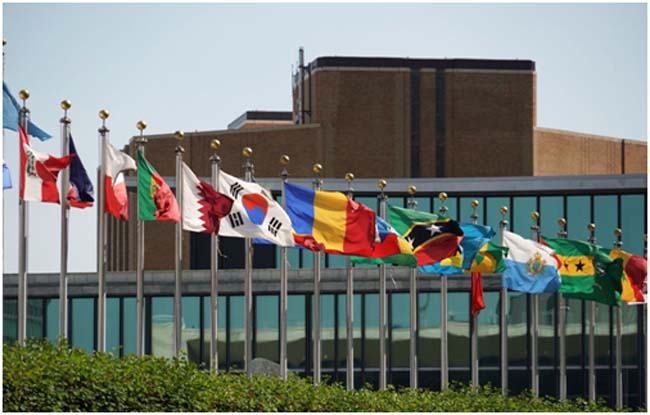
Nearly eighty years after its creation, the United Nations remains the most ambitious attempt in human history to place diplomacy above war. It was born from the trauma of World War II with the hope that collective wisdom could restrain the destructive impulses of power politics. Yet the institution has always carried within it a contradiction: the very nations entrusted with protecting global peace are also the ones most capable of breaking it.
The UN cannot compel the powerful. It cannot prevent every war. And it cannot escape the realities of geopolitical rivalry. But its true value lies elsewhere. It provides a space where adversaries must still speak before they fight, where legitimacy matters even to the strongest states, and where the consequences of conflict are addressed when diplomacy fails. In an era of rising nationalism, technological disruption and renewed great-power competition, the need for such a forum is greater than ever. The real question confronting the world today is therefore not whether the United Nations has failed. The real question is whether the international community possesses the political imagination — and the courage — to reform it before global disorder renders it irrelevant. Because history has already taught humanity a painful lesson: When diplomacy collapses, war does not hesitate.
ABOUT THE AUTHOR
Lt Gen Rajeev Chaudhry (Retd) is a social observer and writes on contemporary national and international issues, strategic implications of infrastructure development towards national power, geo-moral dimension of international relations and leadership nuances in changing social construct.