
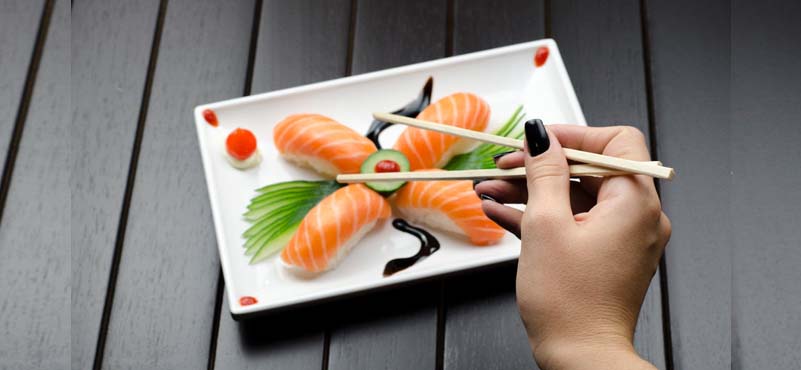
“A simple word like ‘Itadaki-masu’, had transformed the sensory pleasure of our meals into a profound blessing.”

“Bon appétit!”. We all said in unison, as we attacked the ‘pizzas and pasta’ meal delivered a minute ago.
Not many of us noticed our Japanese friend, Sato muttering something different while joining us on the table.
An observant guest queried, “What did you say just now, Sato?”
Sato replied shyly, “Oh, that was Itadaki-masu, something like your bon appétit. Literally speaking, it means ‘I humbly accept’. But there is bit of history to it.”
Our curiosity aroused as we continued enjoying our meal, we asked him to satiate it.
“Itadaki-masu has been in our culture for hundreds of years and is linked to our Buddhist past. In Buddhism, there is a great deal of emphasis on sustenance of life which is reflected in this expression. Essentially, it is a form of gratitude and respect for the food that we have received.”
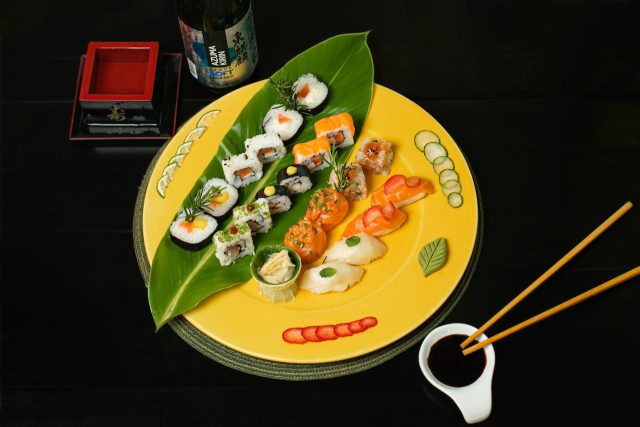
Sato continued, “Itadaki-masu is also about acknowledging the efforts of all those people in the food chain who made this moment of nourishment possible. The farmers, the traders, the waiters, the cooks and every other person who contributed towards this journey of food.”
Fascinated that we all were, we listened intently. No more were we gorging on the food in front of us. It was sinking in that every morsel that we were ingesting had probably a story behind it.
Someone said, “I get it. It is somewhat like saying grace. What else, Sato?”
“Well, have you ever wondered that human beings survive only on food which has been derived from another living being, whether it is an animal or a plant. Barring water and maybe salt, everything that we eat, once upon a time lived in another form. Critically speaking, even these two exclusions can be derived from the living.”
Giving it a deep thought, I said, “You are so right, Sato.”

“The realization that ‘someone or something’ sacrificed its life so that you could live, is an extremely humbling thought. By saying Itadaki-masu as a form of thanksgiving, we reinforce this sobering philosophy many times in a day. In fact, it acts like a ‘factory reset’ whenever we tend to veer away from humility.”
A youngster commented, “Your words are very enriching, Sato. From here onwards, I am never going to waste food.”
Sato replied, “Thank you Ali san. That is exactly the reason why you will rarely find a Japanese person criticizing food. We do have our favourite food choices, but once it is served by the host, we never complain about it. Such behaviour is not a culinary etiquette but an ingrained philosophy to be passed down the generations.”
“Wow!”
Such had been the influence of Sato’s precious thoughts that the gathering suddenly became amazingly quiet. A simple word like Itadaki-masu, had transformed the sensory pleasure of our meals into a profound blessing.
That too, for ever.
With an appetite for more,
Horax (Casper)
ABOUT THE AUTHOR
 Air Vice Marshal Rajeev Hora is a Qualified Flying Instructor and an Experimental Test Pilot with over 3800 flying hours on multiple types of aircraft. His last appointment was as AOC HQ MAO at Mumbai. Previously held appointments are AOC Adv HQ WAC (Jaipur), Comdt Aircraft and Systems Testing Establishment (ASTE), Deputy Comdt AFA, AOC AFS Bidar and Deputy Technical Manager (Air) in the Acquisition Wing of MoD. He has earlier commanded a Jaguar squadron and was also the Team Leader of the IAF’s Hawk Aircraft Project Team in the UK.