An à la carte approach looks increasingly sensible: choose the market, understand its ingredients, and order to suit the appetite!
India’s branded hotel industry maintained its performance in 2025/26 despite several disruptions to travel. Nationwide occupancy remained broadly steady at 68.1%, while ADR increased by 6.4% to ₹8,962 and RevPAR rose by 6.2% to ₹6,099. However, national averages do not fully reflect the varied performance of individual hotels and markets. Nearly three in four surveyed hotels recorded RevPAR growth, while approximately one in four reported a decline.
Hotelivate-Savills has released the 2026 Indian Hospitality Trends & Opportunities Report, the 29th edition of its annual assessment of India’s branded hotel industry. Based on the participation of 2,168 hotels comprising 2,09,180 rooms, the report examines nationwide performance, operating trends across 20 major hotel markets, existing and proposed supply, and the factors likely to influence future development. For nearly three decades, the report has served as a reference for hotel owners, operators, brands, investors, developers and financing agencies.

Performance across the 20 major hotel markets was also mixed. Bengaluru, the country’s largest branded hotel market by number of rooms, and Hyderabad, led RevPAR growth at 14.8% and 13.2%, respectively, followed by New Delhi at 10.9%. Mumbai remained one of the country’s leading markets by RevPAR, although its growth was more measured at 3.2%. Jaipur also recorded healthy growth, while Goa and Amritsar reported a decline during the year. The scale of these markets also varies considerably: despite the continued expansion of branded supply, only 5 of the 20 major markets currently have an inventory of 10,000 rooms or more.
Future supply forms a central part of this year’s analysis. India is preparing to add hotels at an unprecedented scale. The proposed five-year branded pipeline has reached 1,61,074 rooms, equivalent to approximately 77% of the country’s existing branded inventory, with nearly 1,17,000 rooms already in active development. Four in five proposed rooms sit beyond the largest markets. Nearly 80% of the pipeline is located outside Tier 1 markets, including almost half in Tier 3 destinations. Tirupati and Varanasi alone have proposed pipelines equivalent to approximately 477% and 442% of their existing branded inventories, making demand assessment increasingly critical. The report examines this pipeline not only by scale, but also in the context of local demand, infrastructure, positioning and the ability of individual markets to absorb new supply.
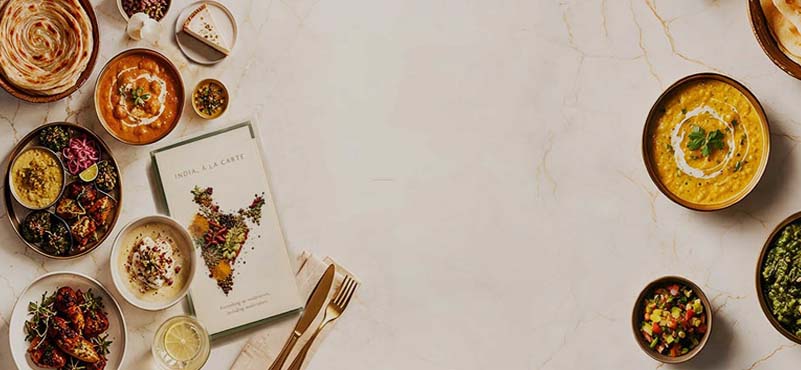
This year’s theme, India, À La Carte, reflects a market offering a wider range of opportunities, but with increasingly varied outcomes. The report looks beyond national averages to examine these differences and encourage a measured approach to market selection, positioning and timing. It provides detailed analysis by hotel positioning, city tiers, administrative zones and major hotel markets, alongside trends and opportunities that may influence the sector’s next phase.
“Demand is growing, rates are rising and the development pipeline suggests that nobody intends to leave the table hungry. Yet the same helping of new supply could be welcome in one market and difficult to digest in another. An à la carte approach looks increasingly sensible: choose the market, understand its ingredients, and order to suit the appetite,” said Achin Khanna, Managing Partner, Strategic Advisory, Hotelivate-Savills