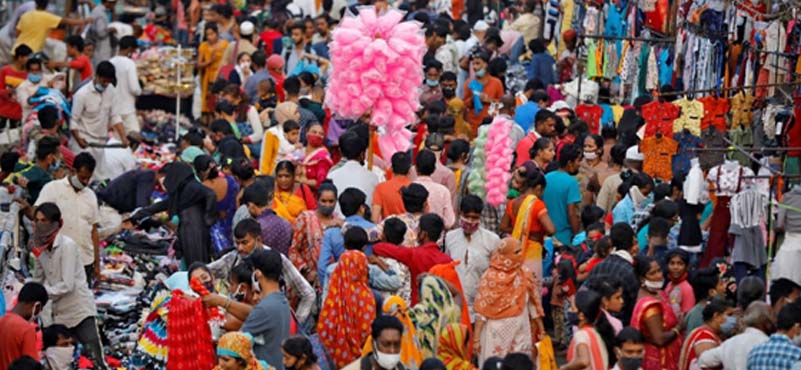
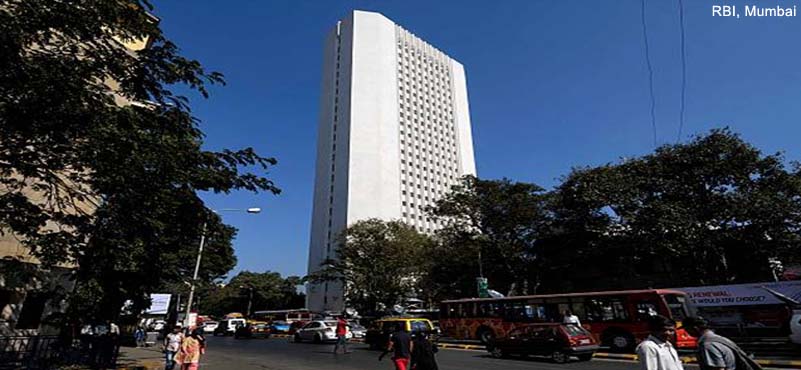
The RBI finds itself on a sticky wicket ahead of its upcoming monetary policy meeting, scheduled from June 3 to June 5, 2026. Strong domestic foundations are shielding India, but external global pressures are intensifying. Geopolitical tensions, high oil prices, and divergent monetary policies across major economies are creating a complex backdrop for decision-making. As Naomi Klein wrote in a different context, “This Changes Everything”.
I expect the Monetary Policy Committee to stay the course- unchanged repo rate at 5.25%, despite oil and FX pressures, and maintain a data-dependent stance. At this juncture, the real discussion isn’t about an immediate rate cut, but how much optionality the RBI can preserve without undermining its inflation-fighting credibility.
RBI appears focused on inflation persistence rather than rupee volatility alone, though a dissent for a 25-bps hike is possible to reduce CAD and incentivise capital flows, should crude prices stay elevated, as held by Mythili Bhusnurmath (“Two Unknowns Too Many”) and MC Govardhan Rangan (“Shot of Hike As Painkiller”) in The Economic Times on June 1, 2026.
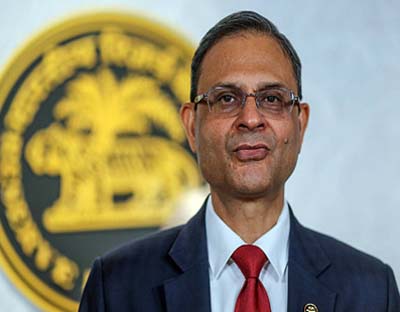
Global Crosscurrents- “The Times They Are A-Changin” (Bob Dylan)
As geopolitics and economics intertwine, the global picture remains fragmented. The US economy has achieved a soft landing of sorts, but persistent services inflation, slowing consumption, and a resilient labour market mean the Fed is in no hurry to cut rates aggressively. Emerging markets remain caught between moderating domestic inflation and external vulnerabilities. Volatile capital flows, pressures from a stronger dollar, and imported inflation risks constrain monetary flexibility. Housing remains relatively resilient but is beginning to slow, while rising energy costs dent household budgets. The ECB and the Bank of England are moving more decisively towards easing. This divergence in policy paths is widening interest rate differentials and keeping emerging markets on edge. For India, the implications are clear. Any premature easing could put pressure on the rupee and import fresh inflation, especially if global risk aversion spikes. Crude oil hovering near or above $85 a barrel directly aggravates both inflation and the current account. In such a grim environment, exchange rate stability and adroit management of capital flows become important.
Domestic Economy: Resilient, but Not Without Challenges
High-frequency indicators, including port cargo traffic, fertiliser production, mining output, and refinery activity, have softened, partly due to supply disruptions stemming from West Asia. However, there remains limited evidence of a broad-based or sustained deceleration in growth. Economic momentum has moderated rather than materially weakened, strengthening the case against a pre-emptive policy response.
With real GDP growth projected at 6.8–7.4% across FY26 and FY27, India is expected to continue outperforming most major economies. Growth remains supported by strong public capital expenditure, a recovering rural economy, resilient services activity, and a gradual improvement in private investment.
Although Indian agriculture is no longer entirely dependent on the monsoon, it remains a significant macroeconomic vulnerability. Nearly half of India’s cultivated land remains rain-fed, leaving agricultural output highly exposed to adverse rainfall patterns. Weak monsoons can reduce crop yields, depress farm incomes, and weaken rural demand through both forward and backward linkages, affecting multiple sectors including FMCG, automobiles, and consumer goods. Lower agricultural supply can also fuel food inflation, complicating monetary policy management.
Given the large contribution of private consumption to GDP, weaker rural spending can meaningfully slow overall economic activity. While horticultural production, including bananas, mangoes, and grapes, has expanded substantially over the past decade, rising output has also increased farmers’ income volatility risks. In response, governments may expand subsidies, employment programmes, and relief transfers, increase expenditure pressures and potentially widen fiscal deficits despite already constrained public finances.
Urban demand remains relatively robust, particularly across real estate and services. Rural demand is showing incipient recovery, supported by improving wage trends. Manufacturing activity remains resilient, while sustained government spending on infrastructure, steel, cement, and renewable energy is gradually crowding out private investment. Growth may moderate somewhat as global headwinds intensify. While India’s growth resilience provides the RBI with some policy flexibility, it does not create unlimited space to prioritise inflation control. A modest downward revision of 20–30 basis points to growth expectations appears likely, reflecting higher energy costs, softer external demand, and tighter financial conditions. However, resilient domestic demand may limit the extent of a slowdown.
Banking and Liquidity
The banking system enters this policy review in much better shape than it has been in years. Asset quality has improved significantly, capital buffers are comfortable, and profitability is healthy. Credit growth has cooled from its earlier rapid pace but remains respectable, especially in retail and select industrial segments.
Liquidity, however, has been more volatile than expected. After a phase of surplus, we’ve seen episodic tightness due to tax collections, government cash balances, and currency in circulation. The RBI has managed this reasonably well through variable rate reverse repos and occasional interventions. In the June statement, a reiteration of the willingness to conduct two-way liquidity operations, as and when needed, is likely.
Continued FX intervention, forex swaps, and OMO purchases are expected to manage liquidity and maintain orderly bond and currency markets.
The Inflation Challenge
Inflation remains crucial. My baseline expectation is that CPI inflation will average closer to 4.6% in FY27, with risks clearly tilted to the upside, particularly from oil, global spillovers, and potential monsoon disturbances. The RBI may raise projections by 30–50 bps as imported inflation risks from crude and rupee weakness intensify. Food inflation remains critical, while sustained oil prices could revive core inflation pressures.
Wholesale inflation (WPI) has breached 8 %, and this could gradually seep into retail inflation for consumers.
Retail inflation has increased to 3.5% after moderating to nearly 2% in the previous financial year. Moreover, a weak monsoon could affect the farm sector and raise food prices.
The last leg of disinflation (bringing inflation down sustainably to 4%) is always the hardest. Given the supply-side nature of many of the current pressures, monetary policy has its limits. The MPC will likely maintain a strong anti-inflationary tone even as it keeps the rate steady.
Policy Transmission and Future Path
Monetary transmission has improved markedly compared to previous cycles, especially in segments linked to external benchmarks. This is a double-edged sword: while it makes policy more effective, it also means any rate cut could quickly feed into credit growth and potential imbalances.
The RBI will likely reaffirm its commitment to the 4% inflation target while signalling flexibility if growth risks materialise.
The RBI could also highlight aspects like liquidity management, possible bond market support, and continued vigilance on financial stability.
Policy stance could be neutral but hawkish in tone, emphasising vigilance on inflation, data-dependent flexibility, and readiness to respond to second-round effects, while still supporting growth.
Key Risks and Trade-offs
The biggest risks remain inflation-related: food shocks, oil prices, rupee movements, and global spillovers. On the growth side, weaker global demand and tighter financial conditions could dampen investment. There are also pockets of leverage in retail and NBFC segments that warrant monitoring.
Fiscal policy is broadly supportive, with consolidation efforts giving the RBI more room to manoeuvre. However, any significant slippage or sharp rise in subsidies could complicate matters.
Where Do We Go from Here?
India enters this policy review with relatively stronger domestic fundamentals than many emerging markets, even as the external environment becomes increasingly uncertain. Against this backdrop, the RBI’s cautious approach appears well justified.
Having already reduced the benchmark repo rate by 125 basis points since last year to support growth, policymakers now have room to assess the impact of rising fuel prices and evolving geopolitical risks before taking further action. A pause at 5.25%, supported by calibrated liquidity management and measured communication, therefore appears to be the most prudent course for now.
Accordingly, the upcoming policy is likely to signal a “pause with caution,” relying more heavily on foreign exchange interventions and liquidity measures rather than immediate rate cuts. For consumers, however, this would imply limited near-term relief, with home loan EMIs unlikely to decline and borrowing costs across personal loans and other credit products expected to remain elevated.
I expect a tighter stance later in the financial year with the distinct possibility of two rate hikes, if commodity prices and imported inflation remain elevated.
As I have consistently argued in my writings, speeches and interviews, the real challenge for the RBI lies in navigating the growth-inflation trade-off amid rising global uncertainty, driven by geopolitical tensions in the Middle East, elevated energy prices, persistent supply chain disruptions, sustained capital outflows, and pressure on the rupee. In such an environment, effective policymaking demands careful balancing rather than dramatic intervention. The June policy is, therefore, likely to reflect evolving inflation dynamics, with external factors continuing to play a significant role in shaping the inflation outlook.
ABOUT THE AUTHOR
 Dr. Manoranjan Sharma is Chief Economist, Infomerics, India. With a brilliant academic record, he has over 250 publications and six books. His views have been cited in the Associated Press, New York; Dow Jones, New York; International Herald Tribune, New York; Wall Street Journal, New York.