
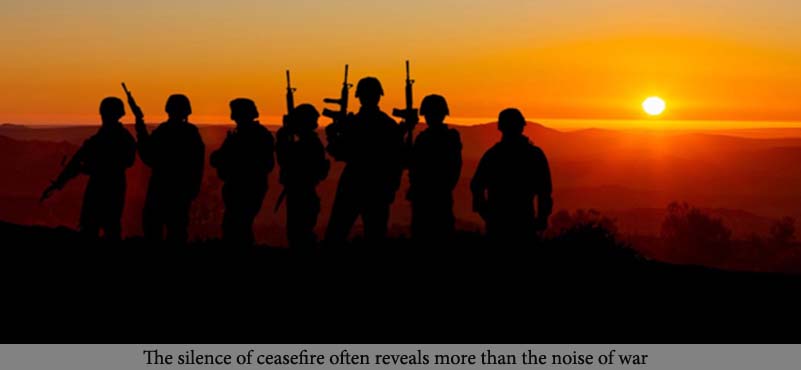
War Beyond the Battlefield
The ceasefire brought silence. And with it, something rare in modern conflict—time to think.
As the immediate intensity of exchanges between Iran, Israel, and the United States subsided, analysts, policymakers, and strategic communities across the world began to reassess what had just unfolded. In the absence of missiles and headlines, a deeper realization emerged: the true impact of this conflict was not confined to what was destroyed, but to what had been fundamentally altered.
The pause did not merely stop the fighting—it illuminated the expanding cost of war. Modern conflict no longer resides solely on battlefields. It spills into economies, reshapes political alignments, redefines national security priorities, and increasingly, invokes moral positioning. Even those nations far removed from the immediate theatre find themselves adjusting policies, recalibrating risks, and preparing for consequences.
The cost of war, therefore, is no longer linear or localized. It is multi-domain and systemic. Strategically, nations are rethinking preparedness in an age where threats emerge rapidly and across multiple fronts. Politically, alliances are being tested and reconfigured under pressure. Economically, the vulnerabilities of interdependence are being exposed, forcing a shift from efficiency to resilience. And morally, a new dimension is emerging—where legitimacy, perception, and ethical positioning shape influence as much as military capability.
The ceasefire, in this sense, has acted as a moment of clarity. It has allowed the world to step back and recognize that the real transformation is not in the conduct of war alone, but in its consequences across domains. What we are witnessing is not just a conflict, but a recalibration of how nations perceive survival, stability, and power in an increasingly uncertain world.
War, it is now evident, no longer ends at the battlefield. It begins there—and then expands outward, reshaping everything it touches.
Strategic Cost: Security as a Permanent Condition
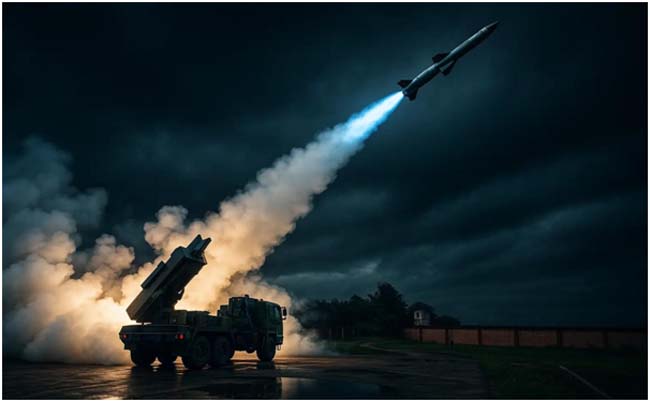
If there is one domain where the cost of war is most immediate, it is the strategic.
The recent conflict has reinforced a stark reality: security can no longer be treated as a contingent requirement. It has become a permanent condition—an on-going state of preparedness rather than a response to episodic threats. Across the globe, nations are recalibrating their defence postures. The European Union, long associated with economic integration and soft power, has accelerated efforts toward greater strategic coordination and defence capability. Member states are increasing military spending, modernising forces, and re-evaluating collective security mechanisms.
In the Middle East, the shift is even more pronounced. Countries are investing heavily in air defence systems, missile capabilities, and surveillance infrastructure. The objective is not merely deterrence, but resilience under sustained threat—the ability to absorb, respond, and continue functioning in a high-intensity environment.
This reflects a broader global trend. Defence budgets are rising, not only among major powers but across emerging economies. Military planning is increasingly multi-domain—integrating land, air, sea, cyber, and space capabilities into a unified framework. What is changing is not just capability, but mind-set. Security is no longer reactive. It is anticipatory.
The traditional model—where nations prepared for war in times of tension and scaled back in times of peace—is giving way to a new paradigm in which preparedness is continuous. The line between war and peace is blurring, replaced by a spectrum of persistent competition and intermittent escalation.
This carries its own cost. Sustained defence expenditure diverts resources from social and developmental priorities. It creates pressure on fiscal systems and demands political justification. Yet, for many states, the alternative—strategic vulnerability—is no longer acceptable.
Thus, the strategic cost of modern war lies not only in the resources expended during conflict, but in the permanent elevation of security as a national priority. War, even when paused, continues to shape how nations arm, plan, and perceive threats.
Political Cost: Realignments and Recalibrations
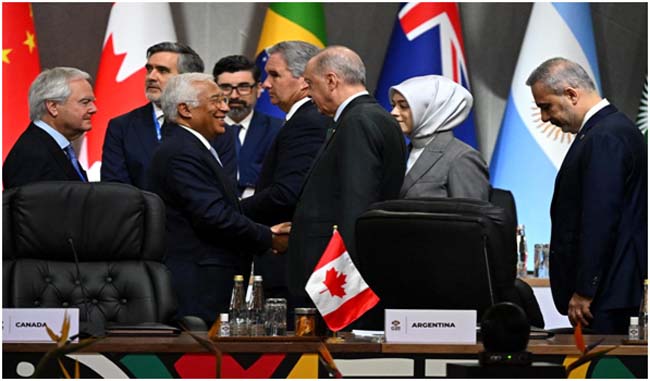
If strategy defines how nations prepare, politics determines how they align—and here, too, the cost of war is profound.
The recent conflict has accelerated a process already underway: the gradual shift from rigid alliances to fluid, interest-driven alignments. In a multipolar world, states are increasingly reluctant to bind themselves to fixed blocs. Instead, they are pursuing flexible partnerships, adjusting positions based on evolving circumstances.
Within the European Union, the crisis has both strengthened and tested cohesion. While there is broad agreement on the need for stability, divergences remain on the extent and nature of engagement. The result is a balancing act between unity and national interest—a dynamic that reflects the broader complexity of contemporary geopolitics.
In the Middle East, political recalibration is even more visible. States are reassessing relationships, hedging bets, and seeking to avoid overexposure to any single axis of conflict. Diplomacy has become more nuanced, more cautious, and in many cases, more transactional.
Domestically, the political cost is equally significant. Governments are under pressure to demonstrate competence in ensuring security while managing economic fallout. Public opinion, shaped by real-time information and heightened awareness, plays an increasingly influential role. Leadership is judged not only on outcomes, but on perceived control and clarity of direction.
At the same time, war amplifies narratives. It sharpens identities, polarises debates, and often reduces space for nuance. Political discourse becomes more security-centric, and policy decisions are scrutinised through the lens of national interest and survival. What emerges is a political landscape that is more dynamic, but also more fragile.
War does not merely shift borders or alliances—it reshapes the foundations of political legitimacy and alignment. It forces states to constantly recalibrate, balancing external pressures with internal expectations. And in doing so, it ensures that the political cost of conflict extends far beyond its immediate duration.
Economic Cost: The Price Paid by All
If strategy defines preparedness and politics shapes alignment, it is the economy that absorbs the most immediate and universal shock of war.
The recent conflict has once again demonstrated that in an interconnected world, economic consequences are neither contained nor selective. They are diffuse, rapid, and far-reaching. Even nations geographically distant from the theatre find themselves exposed—to volatility in energy markets, disruptions in supply chains, and shifts in financial flows.
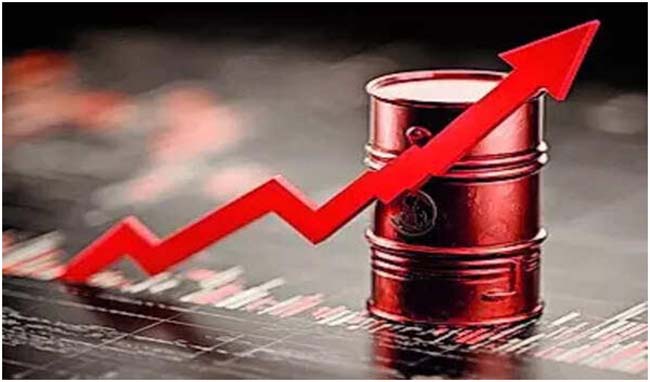
Energy remains the most visible fault line. Any instability in the Middle East—still central to global oil and gas flows—translates almost instantly into price fluctuations. These fluctuations are not merely market reactions; they are signals of uncertainty, rippling through transportation costs, industrial production, and household consumption.
But the impact goes beyond energy. Global supply chains, optimised over decades for efficiency and cost minimization, have revealed their fragility under stress. Shipping routes adjust, insurance premiums rise, and delivery timelines stretch. What appears as a localized disruption quickly becomes a systemic economic disturbance.
Inflationary pressures follow. Governments are compelled to intervene—subsidising fuel, stabilising currencies, or supporting affected sectors. At the same time, rising defence expenditure creates a difficult trade-off: resources allocated to security are resources diverted from development, welfare, and long-term growth.
This is the deeper economic cost of modern war—not merely the destruction it causes, but the reordering of economic priorities. Efficiency is no longer sufficient. Resilience becomes imperative.
Nations are beginning to rethink economic strategy through the lens of vulnerability. Dependence, once seen as a natural outcome of globalisation, is increasingly viewed as a risk. Diversification of supply, localization of critical industries, and strategic reserves are becoming central to economic planning.
In this sense, war is transforming the global economy from a system driven by optimization to one defined by risk management and redundancy. And in that transformation, every nation pays—whether it fights the war or not.
The Security of Survival: Resources and Resilience
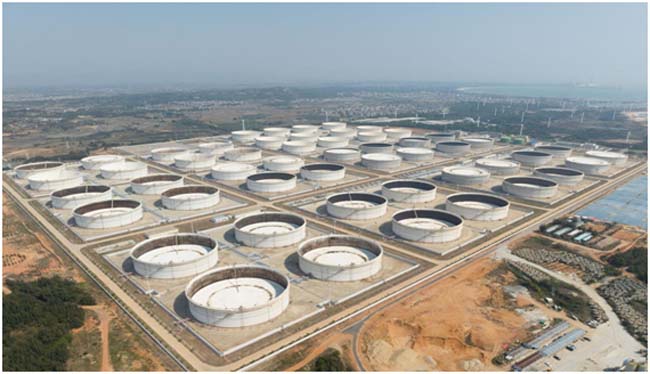
Beyond immediate economic impact lies a more fundamental shift—one that touches the very basis of national survival.
The conflict has reinforced a simple but powerful realization: in times of prolonged instability, access to critical resources becomes as important as military capability. Energy, food, water, and essential commodities are no longer just economic variables; they are strategic assets. Nations across regions are responding accordingly.
- Energy security is being redefined. Countries are seeking diversified sources, investing in domestic production where possible, and building strategic reserves to cushion against disruption. The goal is not complete independence—often unrealistic—but reduced vulnerability.
- Food security has re-emerged as a central concern. Supply disruptions, price volatility, and climatic uncertainties have highlighted the risks of over-reliance on external sources. Governments are strengthening domestic production, securing supply agreements, and maintaining buffer stocks.
- Water, often overlooked in strategic discussions, is gaining prominence. As conflicts intersect with environmental stress, water systems are being recognised as both potential flashpoints and critical lifelines. Investments in infrastructure, conservation, and management are increasingly framed within a security context.
What ties these efforts together is a broader shift toward national resilience.
Resilience is not merely the ability to withstand shock; it is the capacity to continue functioning under sustained pressure. It requires planning, investment, and coordination across sectors—energy, agriculture, infrastructure, and governance.
Importantly, this shift is not limited to conflict zones. Even relatively stable nations are preparing for scenarios in which global systems are disrupted for extended periods. Strategic stockpiling, contingency planning, and redundancy are becoming normalized. The cost here is both financial and structural. Building resilience requires resources and often involves trade-offs with efficiency. Yet, as recent events have shown, the cost of unpreparedness is far greater.
War, in this expanded sense, compels nations to prepare not only for conflict, but for prolonged disruption of the systems that sustain life and stability.
Moral Cost: The Rise of the Geo-Moral Dimension
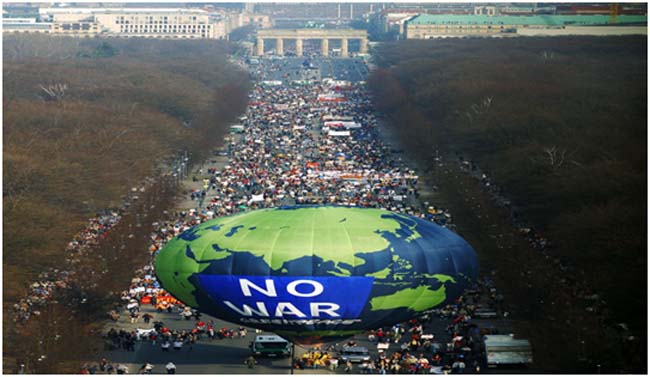
While strategic, political, and economic costs are tangible, the moral dimension of war is emerging as equally significant—if less easily measured.
In the current global environment, conflicts are no longer interpreted solely through the lens of power. They are increasingly evaluated in terms of legitimacy, proportionality, and ethical conduct. This has given rise to what may be described as a geo-moral dimension—a space where moral positioning intersects with geopolitical strategy.
Public opinion plays a central role in this shift. Enabled by real-time information flows, global audiences are no longer passive observers. They engage, react, and influence narratives. Civilian impact, humanitarian concerns, and questions of justice shape perceptions across borders. For states, this creates both opportunity and constraint.
On one hand, moral positioning can enhance influence. A nation that is seen as acting responsibly, advocating restraint, or upholding humanitarian principles can strengthen its global standing. Diplomacy is no longer only about interests; it is also about values and perception.
On the other hand, moral scrutiny imposes limits. Actions that may be strategically justified can carry reputational costs if they are perceived as disproportionate or unjust. This tension between necessity and legitimacy is becoming a defining feature of modern conflict.
Institutions such as the United Nations continue to articulate normative frameworks, but their influence increasingly depends on how these norms are interpreted and applied by states. What is notable is that morality is no longer external to strategy—it is becoming part of it.
States are crafting narratives, aligning positions, and engaging diplomatically not only to achieve objectives, but to shape how those objectives are understood globally. The contest is not just over territory or influence, but over interpretation and legitimacy.
This introduces a new kind of cost. Actions in conflict now carry long-term implications for reputation, partnerships, and soft power. Moral missteps can isolate; moral credibility can attract. In this evolving landscape, the ability to balance power with principle becomes a critical determinant of influence.
War, therefore, is not only testing the strength of nations—it is testing the values they project and the legitimacy they command.
India: Navigating the Cost Matrix
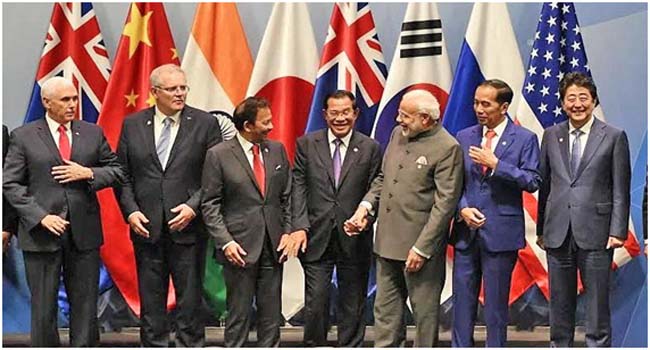
Amid this widening spectrum of costs, India occupies a distinctive and increasingly consequential position.
Unlike many actors directly or indirectly drawn into the conflict, India’s approach reflects a careful balance across all four domains—strategic, political, economic, and moral. This balance is not accidental; it is the product of a deliberate effort to preserve autonomy in a fragmented and fast-changing world.
- Strategically, India has maintained a steady trajectory of defence preparedness. Investments in modernization, indigenous capability, and multi-domain readiness reflect an understanding that security can no longer be episodic. At the same time, India has avoided reactive escalation, choosing instead to build capacity in a measured and sustained manner.
- Politically, India’s posture is defined by multi-alignment. It engages with diverse actors—across regions and blocs—without being subsumed into any single framework. This flexibility allows it to navigate crises without overexposure, maintaining relationships even where interests diverge. In a world of shifting alignments, this approach offers both resilience and relevance.
- Economically, India has demonstrated an ability to absorb and adapt to external shocks. Energy procurement strategies, diversification of supply sources, and emphasis on domestic capacity have helped mitigate the immediate impacts of global volatility. At the same time, the broader push toward self-reliance in critical sectors reflects a recognition of the vulnerabilities inherent in overdependence.
- Morally, perhaps India’s position in the emerging geo-moral dimension has been most significant. As a prominent voice of the Global South, it has consistently emphasized dialogue, restraint, and the broader humanitarian implications of conflict. This positioning does not preclude strategic interests; rather, it complements them—projecting India as a state that seeks stability without sacrificing principles.
What emerges is a model of calibrated engagement. India is neither detached nor entangled. It participates, influences, and adapts—while preserving the flexibility to respond to evolving circumstances.
In a world where the costs of war are expanding across domains, such balance is not merely advantageous—it is essential.
Conclusion: The New Cost of Being Unprepared
The ceasefire offered a pause. But more importantly, it offered perspective.
In that brief interval of reduced intensity, the contours of a larger transformation became visible. War, it is now clear, is no longer defined solely by its immediate violence. Its true impact lies in how it reshapes the behaviour of states—how they prepare, align, invest, and justify their actions.
The cost of war has expanded.
- It is strategic, embedding security as a permanent condition.
- It is political, reshaping alliances and testing legitimacy.
- It is economic, disrupting systems and forcing a shift toward resilience.
- And it is moral, redefining how power is perceived and judged.
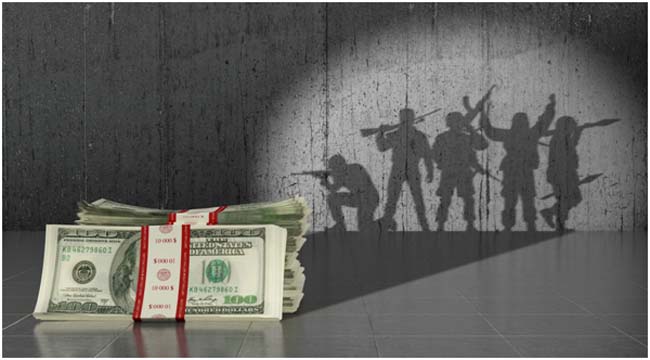
What makes this transformation particularly significant is that it is universal. Participation in conflict is no longer required to bear its consequences. In an interconnected world, the costs radiate outward, affecting nations regardless of geography or intent.
This introduces a new strategic reality. The central question for states is no longer whether they will be involved in conflict, but whether they are prepared for its multi-domain consequences. Preparedness, therefore, becomes the defining metric of resilience. Nations that anticipate disruption, invest in capacity, maintain flexibility, and balance power with principle will be better positioned to navigate uncertainty. Those that do not risk being shaped by forces beyond their control.
The ceasefire, in this sense, is not just a pause in conflict. It is a moment of reckoning—a reminder that the world has entered an era where the boundaries of war have expanded, and with them, the cost of being unprepared.
In this new order, survival will not belong merely to the strongest. It will belong to those who understand that war no longer ends on the battlefield—and prepare accordingly.
ABOUT THE AUTHOR

Lt Gen Rajeev Chaudhry (Retd) is a social observer and writes on contemporary national and international issues, strategic implications of infrastructure development towards national power, geo-moral dimension of international relations and leadership nuances in changing social construct.


