The Indian Trust for Rural Heritage (ITRHD) recently held an international conference on the Preservation of Rural Buddhist Heritage (PRBH) at the Ambedkar Centre in New Delhi from 28-30 November, 2025. While the Conference primarily focussed on the necessity to work towards institutionalizing the framework that would help in preserving ancient Buddhist heritage around the world, there was one item on the itinerary for Day 2 of the Conference that was simply the cherry on top, an unmissable event.
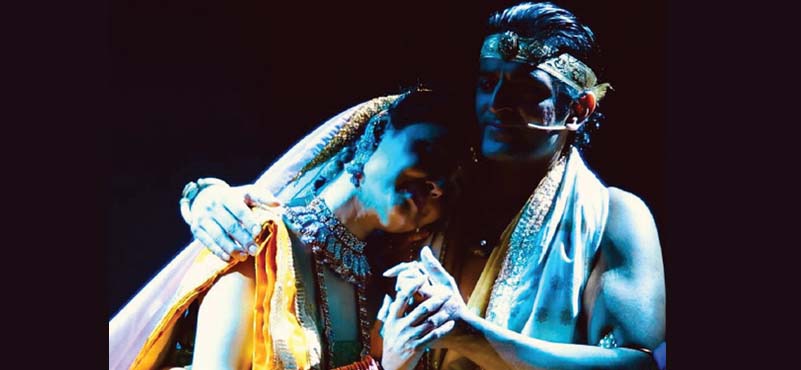
The Life of Gautam Buddha, a musical play conceived, scripted, and directed by Lushin Dubey and Bubbles Sabharwal, brought to the Conference a legacy of its own, having earned immense popularity both in India and around the world since 2014. Not only has it been performed around the country — including at the Kalachakra Festival in Bodh Gaya — it has also been on a global tour, with several well-received performances in New York City.
And needless to say, the laurels the play had received over its long run were all rather well-earned, well-deserved, considering the spectacle that followed on the evening of the 29th in New Delhi. To even consider a musical rendition of the life of Gautam Buddha, let alone execute it to absolute perfection — it speaks volumes of the vision of the creators.
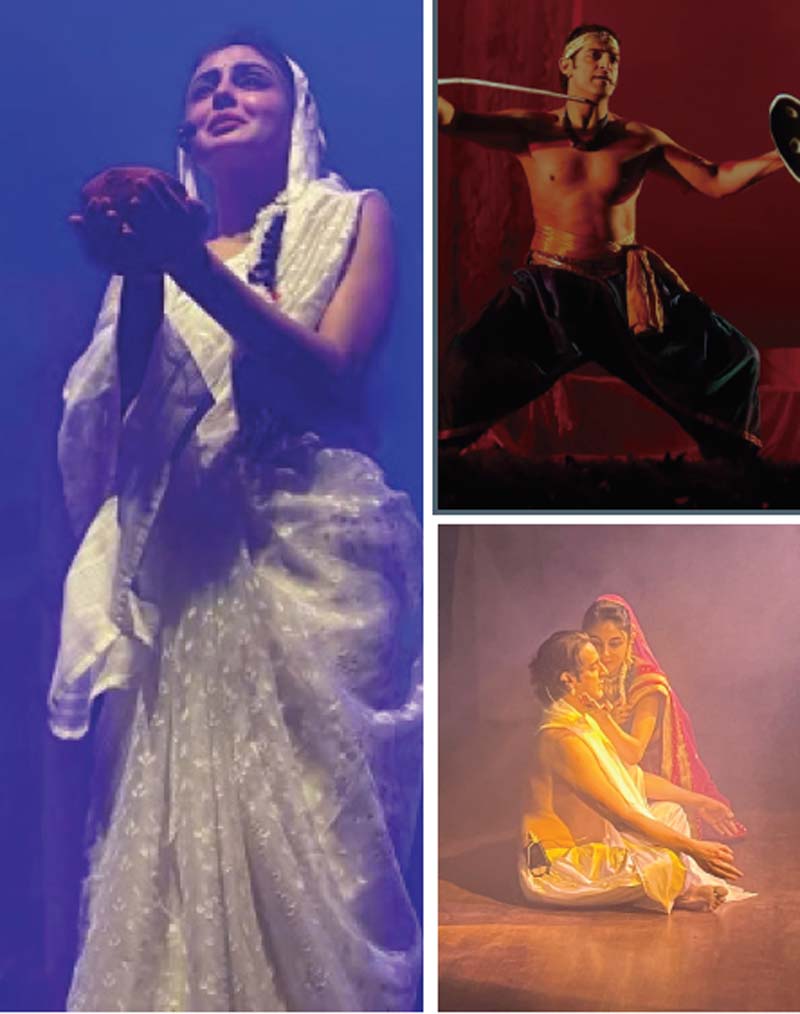
This is a story that is known mostly to all. The birth of Prince Siddhartha in Kapilavastu; him growing up to hopefully one day succeed his father, King Suddhodana as the new King of the realm; and then that fateful visit outside the palace gates which made the Prince ask questions regarding the purpose and futility of life; till he leaves in search of answers to his questions. That journey eventually brings him to Gaya, where Prince Siddhartha attains enlightenment under a Bodhi tree — leading to the birth of Gautam Buddha.
However, it is not the tale which leaves the audience spellbound, it is rather the rendition of the story that stays etched in our memories long after the final curtain falls. A lucid narrative of events — of how a Prince struggles with his conscience and eventually finds the inner peace that he so longed for, how he transforms from a mere mortal and rids himself of the cycle of birth, disease, old age, and death — this is what makes this play truly remarkable. The story, the message of the Buddha is truly eternal — perhaps more so today than ever before. His message of love, tolerance, compassion — it is something the world needs, nay craves today. And maybe this is why this musical never goes out of fashion, never loses its relevance.
 This particular performance at the PRBH Conference showcased the legend of the musical, with scintillating performances by Sid Makkar playing the titular lead of Gautam Buddha, Yuvraj Singh Bajwa playing the conflicted King Suddhodana, Suparna Moitra playing perhaps the most demanding role of Yashodhara — and with special performances by the talented dancing troupe of Pankaj Singh, Sushant Nair, Himesh Parcha and others who also played important characters that influenced the life of the Buddha. The creators, Lushin Dubey and Bubbles Sabharwal were also part of the cast, bringing life to the characters of the Buddha’s mother, Gautami, and the mad woman who comes to the Buddha to bring her child back to life, respectively.
Moreover, the sound design by Yogesh Bhalla infused life into the play, bringing the story to life as the actors effortlessly transformed into their characters. At no point did the audience’s attention lag, at no point did our collective minds waver — everyone just sat there, at the edge of their seats, hooked into a performance that was equal parts biography, drama, and the eternal philosophy of life.
As the lights dimmed and the final notes of the performance faded into silence, the audience rose in a standing ovation — a testament to the power of storytelling when done with such conviction and artistry. The Life of Gautam Buddha is not just a play, it is an experience, a journey that takes you from the palaces of Kapilavastu to the hallowed grounds of Bodh Gaya, and leaves you with something far more profound than mere entertainment. It leaves you with a message, a reminder of the values we seem to have lost in the chaos of modern life.
If this production comes to a city near you, do yourself a favour — go watch it. Let the story of the Buddha wash over you. Let it remind you of what truly matters. And perhaps, just perhaps, you will walk out of that auditorium a slightly changed person, carrying with you a little piece of the enlightenment that the Buddha found all those centuries ago.