

The Art of Living Well in a World That Never Stops Moving
Life is perhaps the most generous gift we receive, and yet the one we understand the least. We spend the first half of it learning how to make a living and much of the second half wondering whether we have truly lived. We chase success, accumulate possessions, pursue recognition and postpone happiness to some distant tomorrow. Somewhere along the way, we forget that life is not a rehearsal for a better day. It is the performance itself.
There is no instruction manual for living. No two lives follow the same script, and no single philosophy can answer every question. Yet, across civilisations, generations and cultures, certain truths have endured. They remind us that a meaningful life is not necessarily a long, wealthy or celebrated one.
It is a life lived with purpose, compassion, courage and a quiet sense of gratitude.
Live, Don’t Merely Exist. We must learn to distinguish between being alive and living. Getting up every morning, attending to responsibilities, earning money and going to bed may keep the machinery of existence running, but they do not necessarily make life meaningful. Living requires curiosity, enthusiasm and the willingness to experience the world beyond our daily routines.
We should make time for things that make us feel alive: a conversation with an old friend, a walk in the rain, a journey to an unfamiliar place, a book that challenges our thinking or simply watching the sunset without checking the time. We must not become so occupied with reaching destinations that we forget to enjoy the journey.
Life is not measured by the number of years we accumulate but by the number of moments that genuinely touch us. A full calendar is not necessarily a full life.
Choose Relationships Over Possessions. We spend an extraordinary amount of energy acquiring things, often at the expense of nurturing relationships. We work long hours to provide for our families but sometimes have little time left to sit with them. We remember birthdays of important people in our professional lives but occasionally forget to call an old friend who may simply be waiting to hear our voice.
Material possessions provide comfort, but relationships provide belonging. At the end of our journey, we are unlikely to remember the price of our possessions or the size of our bank balance. We will remember the people who stood beside us when life became difficult, the laughter shared around a dining table and the hands that held ours when words were inadequate. Love generously, forgive readily and never make people feel that they must earn your affection. Do not allow ego to destroy relationships that took years to build.
The most valuable inheritance we can leave behind is not wealth but the warmth of having made other lives better.
Make Peace with Yourself. One of life’s greatest challenges is learning to accept ourselves. We constantly compare our achievements, appearance, possessions and circumstances with those of others. Social media has turned comparison into a daily occupation, displaying carefully edited versions of other people’s lives while making us question our own.
We must understand that every individual is fighting a battle that may not be visible. Someone may possess wealth but lack peace; another may enjoy professional success but struggle with loneliness. Someone may appear exceptionally happy while carrying private burdens.
There will always be someone more successful, more accomplished or more fortunate. If our happiness depends upon being ahead of everyone else, we will remain permanently dissatisfied. Accept your imperfections without surrendering the desire to improve. Acknowledge your mistakes without allowing them to define you. Be ambitious, but do not become a prisoner of ambition.
Inner peace begins when we stop seeking constant validation from the world and become comfortable with the person we see in the mirror.
Remain Useful to the World. A meaningful life must extend beyond personal comfort. We are not merely consumers of the opportunities that society provides; we are also custodians of responsibilities towards others.
Our contribution need not be extraordinary. We can mentor a young person, support someone in distress, teach a skill, help an elderly neighbour or simply treat people with dignity. We can use our experience to guide others and our resources to create opportunities for those less fortunate. Importantly, usefulness does not end with retirement, age or the completion of professional responsibilities. In fact, experience often makes us more valuable to society. We should never allow ourselves to become spectators in a world that still needs our participation.
There is a particular satisfaction in knowing that someone else’s life became a little easier because we were there. That is a form of wealth no market can value, and no economic downturn can diminish.
Have the Courage to Let Go. Much of our unhappiness comes from holding on to things that life has already moved beyond. We hold on to old grievances, failed relationships, professional disappointments, missed opportunities and memories of what could have been.
The past deserves reflection, but not permanent residence. We cannot rewrite yesterday, but we can prevent it from stealing tomorrow. Forgiveness is not an endorsement of wrongdoing. It is a decision not to allow someone else’s actions to occupy our minds indefinitely. Similarly, letting go of an ambition that no longer serves us is not necessarily failure. Sometimes wisdom lies in recognising that a particular chapter has ended. Life constantly changes its seasons. We must learn to appreciate the spring without fearing the arrival of autumn.
Growing older should not make us bitter about what has passed; it should make us grateful for what remains.
Respect Time, Health and Simplicity. We often behave as though time is an unlimited resource. We postpone family conversations, defer holidays, neglect health and promise ourselves that we will pursue our interests once professional responsibilities become lighter. But tomorrow is an assumption, not an entitlement.
We must look after our physical and mental well-being. Exercise, adequate sleep, moderation in food, meaningful recreation and moments of silence are not luxuries. They are investments in our ability to live independently and joyfully. We must also rediscover simplicity. The ability to enjoy a modest meal, appreciate a quiet morning, laugh without reason and sleep without carrying the weight of unnecessary anxieties is an achievement in itself.
A simpler life does not mean an unambitious life. It means knowing what deserves our energy and what does not.
Live With Gratitude, Faith and Hope. Perhaps the greatest wisdom is to remain grateful. We tend to count our disappointments more carefully than our blessings. We remember the one opportunity we missed but overlook the many that came our way. We complain about what is missing while taking for granted what is already ours.
Gratitude changes our perspective. It does not eliminate difficulties, but it gives us the strength to face them without losing our sense of proportion.
Faith, whether spiritual or philosophical, can provide an anchor when circumstances become uncertain. Hope gives us the courage to begin again, even after disappointment. Neither requires us to deny reality. They simply remind us that adversity need not have the final word. We must learn to accept that some things are beyond our control.
Our responsibility is to give our best to what is within our reach and develop the wisdom to accept the rest.
Final Reckoning
Perhaps we make living unnecessarily complicated. We search for happiness in distant destinations when it may be sitting across the breakfast table. We seek appreciation from strangers while overlooking affection from those closest to us. We spend years building an identity and sometimes forget to build a character.
A good life does not demand perfection. It asks for sincerity. It does not demand that we win every battle. It asks that we fight the right ones. It does not demand that we be remembered by the world. It asks that we be remembered with affection by the people whose lives crossed ours. One day, the titles will disappear, the designations will be forgotten, the possessions will belong to someone else and the applause will fall silent. What will remain is the difference we made, the relationships we nurtured, the principles we upheld and the memories we left behind.
So, live courageously, love deeply, laugh frequently, forgive generously, travel whenever you can, learn throughout your life, serve without expectation and never lose your capacity to wonder. And when the evening of life arrives, may we have the satisfaction of looking back without too many regrets, the humility to acknowledge our shortcomings and the gratitude to say that we did not merely pass through life.
We lived it. We loved it. We made it count.
ABOUT THE AUTHOR
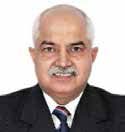
Lt Gen Rajeev Chaudhry (Retd) is a social observer and writes on contemporary national and international issues, strategic implications of infrastructure development towards national power, geo-moral dimension of international relations and leadership nuances in changing social construct.