
Where Strategy Meets Story
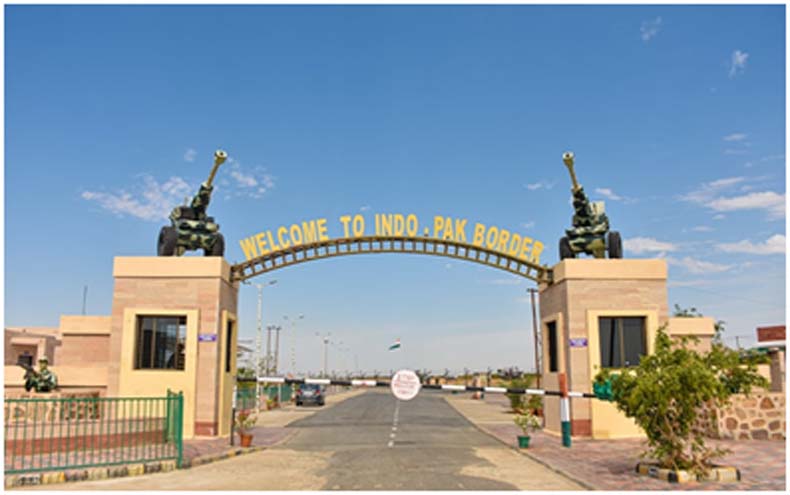
India’s borders are not merely geopolitical boundaries; they are living landscapes where history, culture, conflict and coexistence intersect. From the stark, wind-swept plateaus of the high Himalayas to the forested corridors of the Northeast and the tidal frontiers of the Eastern coast, these regions hold stories and scenery unlike any other part of the country. For decades, however, India’s borderlands have been viewed almost exclusively through a security lens — sensitive, restricted, and peripheral to mainstream development.
Yet a quiet shift is underway. Policymakers, state governments and local communities are beginning to ask a bold question: can India’s strategic frontiers be opened — selectively and safely — as tourism destinations? Can border tourism become a tool for inclusive development, soft power projection and national integration, without compromising security or ecological balance? With the right governance architecture, border tourism can evolve from a niche curiosity into a strategic instrument of economic growth and national confidence.
Why Border Tourism Matters to India
Border tourism matters because it sits at the intersection of security, economy and identity.
- Strategically, carefully managed tourism signals confidence and normalcy. A border that can host visitors is a border that is stable, administered and integrated. In subtle ways, this becomes a form of soft power — projecting the image of a secure and self-assured state.
- Economically, border regions are often among India’s most underdeveloped. Tourism can inject livelihoods into remote economies by creating jobs in homestays, transport, guiding, handicrafts and food services. For regions with limited industrial or agricultural options, tourism may be the most viable growth engine.
- Politically and Socially, opening border regions to visitors strengthens national integration. Citizens who travel to frontier areas develop a lived understanding of India’s geography and diversity, reinforcing emotional ownership of the nation’s margins.
- Finally, Culturally, borderlands preserve hybrid traditions shaped by centuries of transnational exchange. These regions hold stories of trade routes, pilgrimages, battles, partitions and reconciliations — narratives that are deeply compelling to contemporary travellers seeking meaning beyond leisure.
Border Tourism: The Strategic Opportunity
-
- 15,000+ km of land borders across some of the world’s most diverse landscapes.
- 9 States & 2 Union Territories directly influenced by border tourism potential.
- 60%+ of India’s high-altitude regions lie within border districts.
- ₹1 spent by a tourist generates ₹5–₹3 in local economic activity (multiplier effect in remote regions).
- 70–80% of tourism jobs in border areas can be created at the local level (homestays, guides, transport, crafts).
- Less than 10% of India’s tourist circuits currently include border or frontier destinations.
- Permit-based tourism models (Ladakh, Sikkim) show that regulated access does not reduce demand — it improves quality.
Border Tourism is not a Volume game. It is a Value game – fewer visitors, higher spends, deeper impact.
Understanding Border Tourism
Not all border tourism is the same. India’s diversity demands differentiated approaches.
- High-Altitude and Strategic Landscape Tourism. This includes Himalayan passes, frontier valleys and military-heritage zones. Destinations such as Ladakh attract adventure seekers, photographers and culturally curious travellers, but require strict regulation due to altitude, climate and security sensitivities.
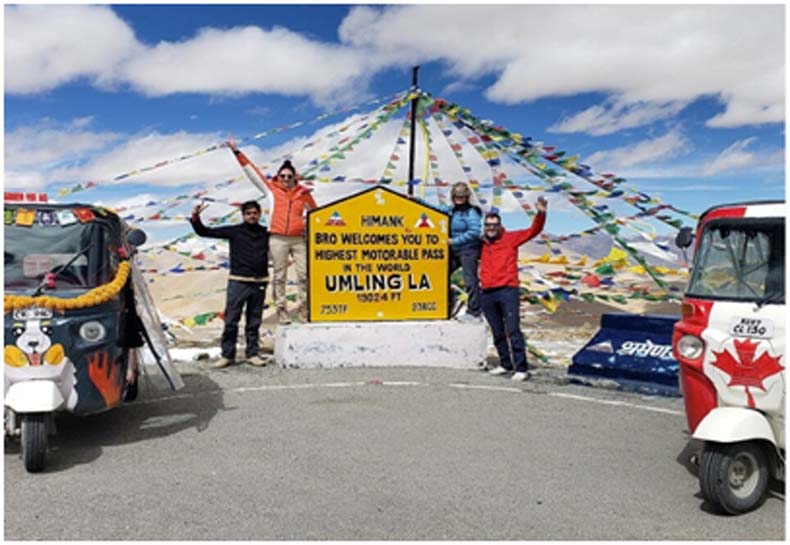
Umling La- the strategic border pass, has been opened to Tourists
- Cultural and Transnational Circuit Tourism. Pilgrimage routes, Buddhist circuits and historical trade paths that connect India with neighbouring civilisations. These circuits rely less on physical border crossing and more on shared heritage narratives.

Author at Twang Monastery- world’s second largest monastery
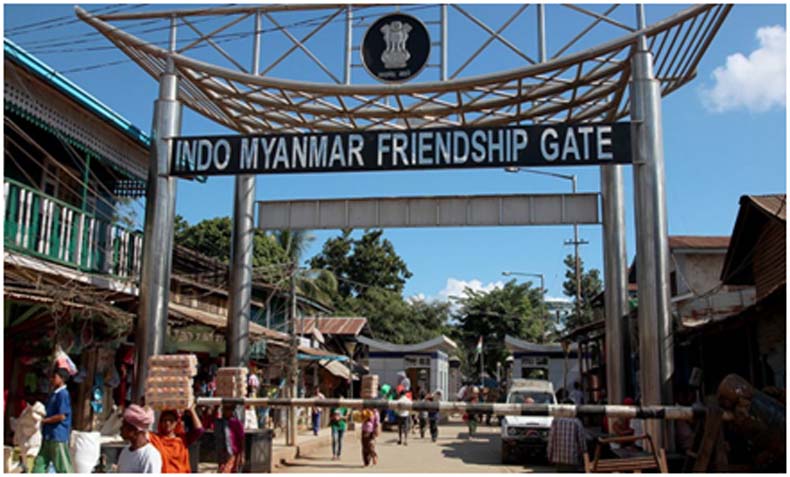
- Border Town and Market Tourism. Frontier towns such as Moreh have the potential to become gateways showcasing border cultures, cuisines and crafts.
- Conflict and Memory Tourism. Battlefields, memorials and Partition-related sites attract visitors interested in history, sacrifice and remembrance — but require sensitive interpretation.
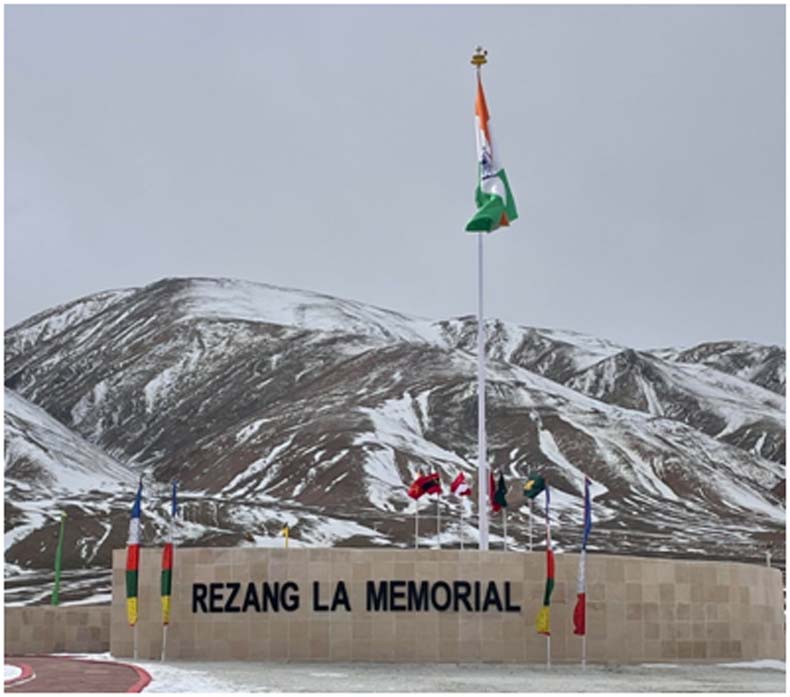
Each category carries different infrastructure needs, security considerations and visitor profiles.
Case Studies: Lessons from the Ground
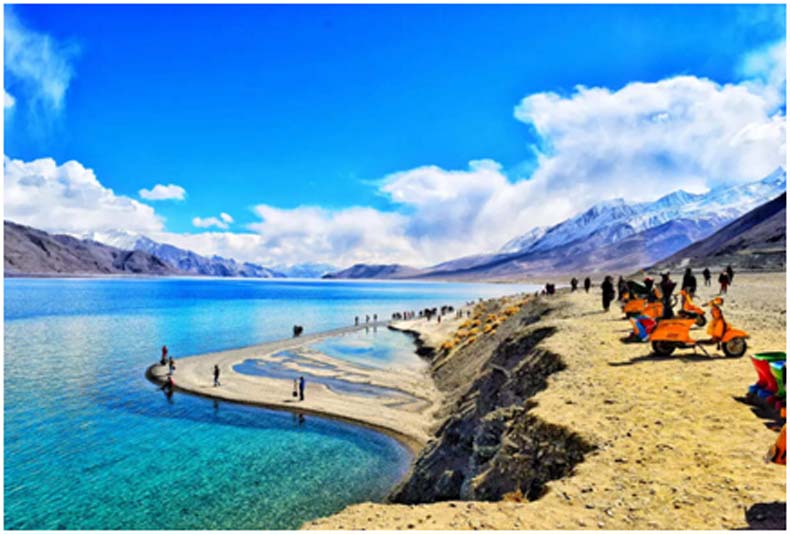
- Ladakh: Access Through Regulation. Ladakh exemplifies the delicate balance between openness and control. The region’s magnetic landscapes — Pangong Lake, Nubra Valley, high mountain passes — have made it one of India’s most sought-after destinations. Yet many areas fall under permit regimes due to their proximity to international borders. Digitisation of permits, clearer zoning and coordination with local administrations have shown that regulated access can work — provided systems are predictable and transparent. The Ladakh experience underscores a key lesson: border tourism does not mean unrestricted tourism; it means managed tourism.
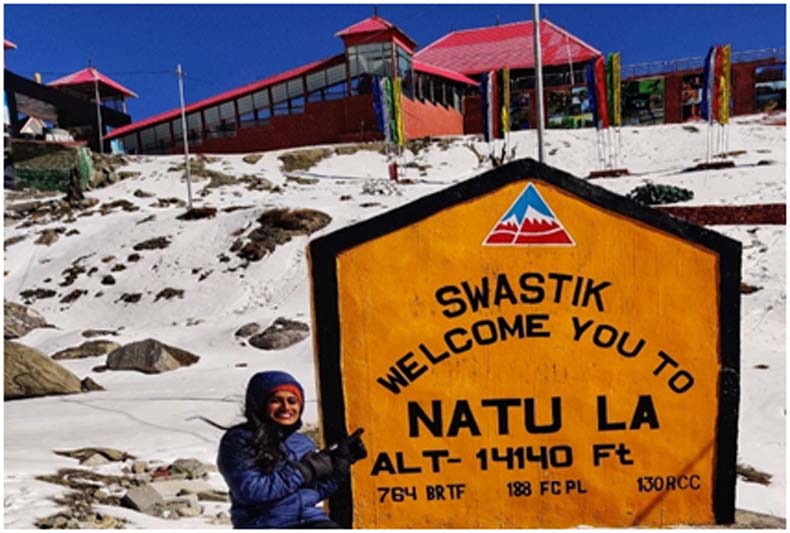
- Nathu La: Strategic Pass Becomes a Tourist Circuit. The opening of Nathu La to regulated domestic tourism marked a symbolic shift. Once a closed military frontier, the pass is now a highlight of Sikkim’s Eastern tourism circuit. Advance permits, weather-dependent access and military coordination ensure that tourism remains controlled. Nathu La demonstrates how even highly sensitive border points can host visitors — not in spite of security concerns, but because of disciplined governance and clear rules of engagement.
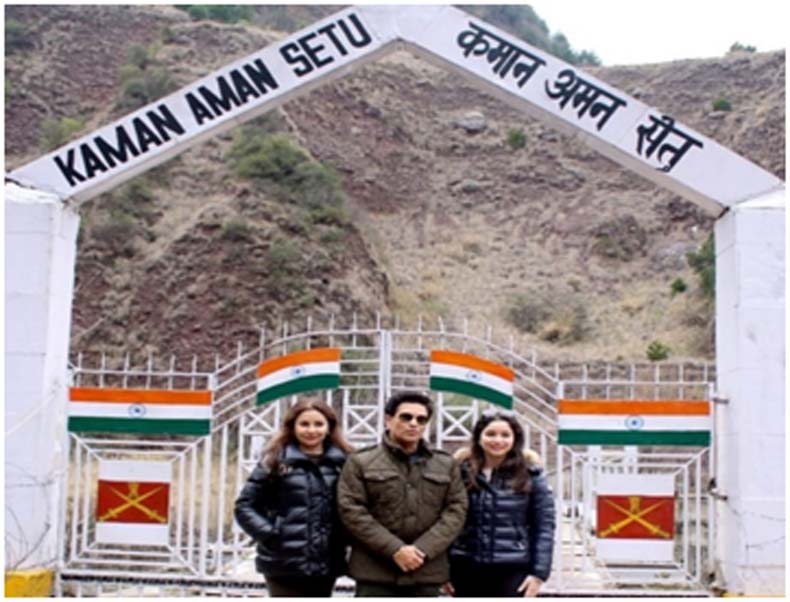
- The Northeast: Opportunity at the Threshold. India’s Northeast shares long borders with Bangladesh, Myanmar, Bhutan and China. Despite extraordinary cultural and ecological richness, tourism here remains underdeveloped. Border towns like Moreh, historically vibrant trade hubs, could evolve into cultural gateways — showcasing local markets, food traditions and crafts. However, success here depends on connectivity, perception management and community capacity-building. Tourism must complement, not compete with, the region’s security and socio-political realities.
The Core Challenges
- Security and Multi-Agency Governance. Border areas involve overlapping jurisdictions — tourism departments, home ministries, armed forces, paramilitary units and local governments. Without coordination, tourism initiatives stall. Fragmented authority often leads to unclear rules, discouraging both tourists and investors.
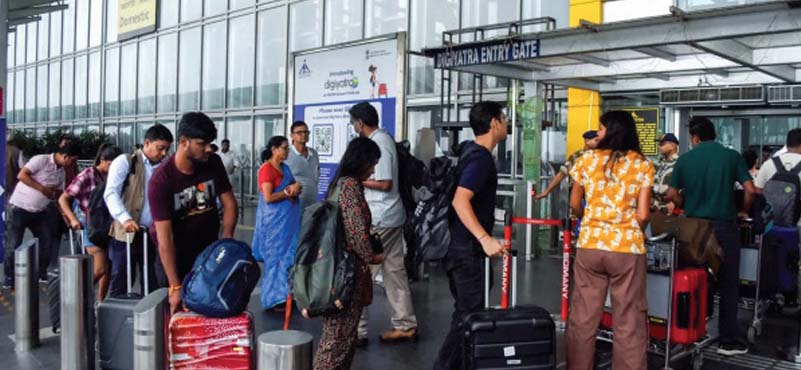
- Infrastructure Deficits. In many border regions, the last five kilometres determine success or failure. Lack of basic facilities and sanitation, limited medical facilities and unreliable digital connectivity undermine visitor confidence.
Infrastructure & Access: The Real Gatekeepers
-
- 80% of visitor satisfaction in remote destinations depends on last-mile infrastructure.
- 5–10 km of poor access roads can reduce tourist inflow by over 40%.
- Regional air connectivity (sub-100 seater aircraft) can cut travel time to border destinations by 60–70%.
- Ropeways and heli-services reduce ecological footprint by up to 50% compared to road expansion in fragile terrain.
- Digital connectivity (mobile + internet) is ranked among the top 3 non-negotiable by modern travellers.
In Border Tourism, access is not about speed- it is about certainty.
- Environmental Fragility. Border landscapes are often ecologically sensitive — high-altitude deserts, alpine meadows, dense forests. Climate change intensifies risks through glacial retreat, landslides and water stress. Unregulated tourism can irreversibly damage these systems.
- Community Exclusion. If tourism benefits bypass local residents, resentment builds. Border communities must see tangible gains — income, skills, dignity — or tourism will lose its social licence.
- The Risk of Over-tourism. Iconic border sites can quickly become victims of their own popularity. Small settlements are not designed for mass inflows, and unchecked growth can erode both environment and visitor experience.
A Strategic Framework for Safe Border Tourism
- Security-First Facilitation. Tourism must work with security, not against it. This means:
- Transparent, digitised permit systems with defined timelines.
- Clear demarcation of no-go, buffer and visitor zones.
- Standing operating procedures between tourism authorities and security agencies.
Predictability is as important as permission.
- Community-Centric Development. Local communities should be owners, not spectators. Homestays, local guides, cultural performances and craft markets must be locally run. Revenue-sharing from permits and parking fees can fund village infrastructure and conservation.
- Resilient and Green Infrastructure. Border tourism infrastructure must be light-footed and climate-smart:
- Ropeways and small airstrips where roads are impractical.
- Renewable energy micro-grids.
- Waste and water systems designed for fragile ecologies.
- Carrying Capacity and Seasonality Management. Scientific limits on visitor numbers, advance booking systems and off-season promotion can prevent ecological overload while stabilising incomes.
- Narrative Reframing. Border destinations must be marketed not as risky or exotic extremes, but as responsibly managed, meaningful experiences. Storytelling should focus on culture, resilience and heritage rather than thrill-seeking alone.
People, Perception & Security
-
- One tourism job supports 3–4 indirect livelihoods in border districts.
- Homestay-based tourism generates up to 70% local value retention.
- Perception of safety influences nearly 65% of destination choice in frontier regions.
- Civil–military coordination zones reduce emergency response time by up to 50%.
- Visitor education & briefing protocols significantly lower security incidents and rule violations.
In border regions, trust travels faster than tourists.
Institutional Innovation: Making It Work
To translate vision into practice, India needs new institutional mechanisms:
- Frontier Tourism Coordination Cells at the state level to align security, tourism, transport and environment agencies.
- Civil–Military Tourism Liaison Units to manage visitor safety, briefings and emergency protocols.
- Standardised PPP Models for ropeways, visitor centres and frontier amenities.
- Real-Time Visitor Data Dashboards linked to permit systems for crowd management.
Governance innovation is as critical as infrastructure investment.
A Phased Roadmap
- Phase 1: Consolidate (Year 1). Digitise permits, identify priority border circuits, launch pilot community projects.
- Phase 2: Scale (Years 2–4). Invest in last-mile facilities and sanitation, formalise coordination mechanisms, integrate border circuits into national tourism campaigns.
- Phase 3: Sustain (Years 4–7). Enforce carrying capacities, institutionalise conservation funds, deepen community ownership.
Risks, Trade-offs and Ethical Considerations
Border tourism inevitably involves trade-offs:
- Greater access requires stronger monitoring.
- Development pressures must be balanced against ecological limits.
- Memory and conflict sites demand respectful interpretation.
Transparent consultation, adaptive policies and ethical storytelling are essential safeguards.
Turning Lines of Control into Lines of Confidence
India’s borders are places where the land grows silent and the sky grows wide — where maps end, but stories begin. For generations, these frontiers have carried the weight of vigilance and sacrifice, standing watch while the nation looked inward. Today, they stand at the threshold of a quieter transformation. Border tourism, at its best, is not an act of opening gates, but of opening understanding. It allows citizens to see the nation not as an abstraction, but as lived geography — windswept passes, remote villages, resilient communities and shared histories etched into stone and soil. It turns distance into discovery, and remoteness into relevance.
Handled without care, tourism can overwhelm what it seeks to celebrate. But guided by restraint, it becomes a force of balance. Permit systems become instruments of trust, infrastructure becomes a promise of dignity, and visitors become witnesses rather than consumers. In such a model, security is not diluted — it is dignified — and development does not erase identity, it sustains it. The future of India’s border tourism will not be written in footfall numbers or glossy brochures. It will be written in steady livelihoods, intact landscapes and confident communities who know that the nation remembers them not only in times of crisis, but also in times of possibility.
If India listens carefully to its edges, it will hear not a call for exposure, but a call for inclusion. And if it answers wisely, its borders will no longer feel like the end of the journey — but the beginning of a deeper one.
ABOUT THE AUTHOR
 LLt Gen Rajeev Chaudhry, a former DGBR, is a writer and social observer. He also pursues his passion for the creative arts in his free time.