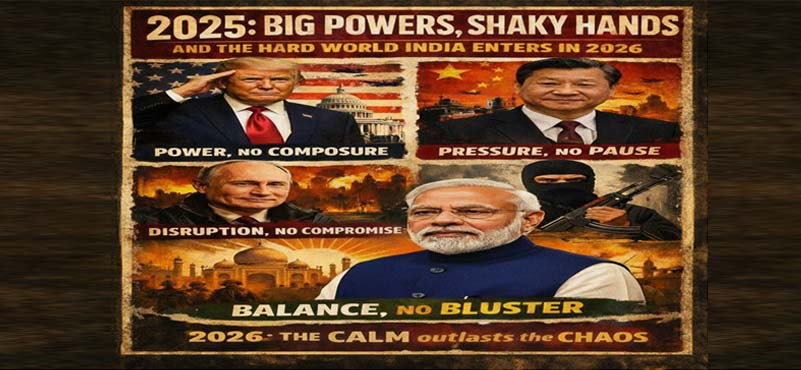
By the end of 2025, power has diffused, and power centres have multiplied. The United States, China, and Russia all act from positions of strength, yet none appear settled in their choices. They draw attention, but not enough influence to change behaviour. Moves are constant, outcomes uncertain. Authority is exercised, but rarely owned. In this geopolitical circus, new power centres and multi-engagement have taken center stage.
Global politics in 2025 function as a loop of motion without resolution. Power is exercised constantly, statements are issued relentlessly, crises are managed in public view, yet outcomes remain thin. States act more than they decide, and resources exist but lack coherence. What emerges is not breakdown but friction. Authority still shapes events, but it weighs heavily on those trying to use it. This is not by accident; it is a disorder produced by systems that still function mechanically but no longer command belief.
The United States: Strength Without Resolve

The United States remains unmatched in comprehensive national power, even as its deterrence has shifted from steering outcomes to sustaining appearances. Ironically, it speaks loudly, power prevails, but it does not perform.
The National Security Strategy 2025 clearly indicates it is constrained less by rivals than by domestic fatigue. Electoral churn, legislative deadlock, and culture war politics bleed into strategic judgment. The result is a familiar pattern: assertive messaging paired with hesitant follow-through. Promises are made early, narrowed quietly, and executed inconsistently.
Initiatives like AUKUS and the Quad illustrate the problem. AUKUS signals ambition, but delivery timelines drift beyond political certainty. The Quad sustains dialogue and reassurance, yet avoids commitments that would impose real costs. NATO’s unity on Ukraine holds mainly because a collapse would be more damaging than continuation. The war drags on, consuming European stockpiles and American bandwidth, while the end state remains deliberately undefined. Washington still shapes the field, but increasingly reacts within it.
Allies adjust accordingly, planning for continuity while hedging against reversal. Rivals probe thresholds not because the United States is weak, but because its response patterns have become predictable in their restraint.
China: Pressure as Strategy
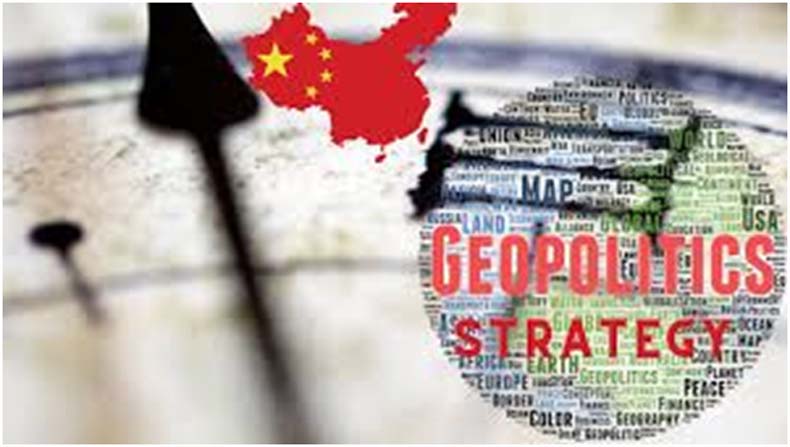
China approaches 2025 from the opposite direction. Its leadership projects inevitability, discipline, and patience. Yet beneath the surface, strain is visible. Growth has slowed structurally. Youth unemployment has become politically sensitive. The property crisis has shaken middle-class confidence. Purges in the leadership of armed forces and polity are on the rise. These pressures narrow Beijing’s margin for prolonged external risk.
China’s answer has been controlled pressure. Around Taiwan, military activity has become routine rather than symbolic. In the South China Sea, presence matters more than provocation. The objective is not immediate conflict, but normalisation of advantage. Time is treated as a weapon.
This is not preparation for war. It is preparation for leverage as others exhaust. Beijing calculates that sustained friction, combined with economic gravity, will exhaust resistance without forcing decisive confrontation. The danger lies in misreading restraint. As maritime and airspace interactions grow denser, the gap between intent and perception shrinks.
China’s economic diplomacy reflects a similar recalibration. The Belt and Road no longer inspires enthusiasm. Governments renegotiate terms, audit projects, and diversify lenders. Influence persists, but it is now managed rather than welcomed. Dependence replaces alignment. That shift matters more than headlines admit.
Russia: Endurance Without Renewal

Russia in 2025 exists in a state enduring attrition and surviving sanctions. The war in Ukraine has weakened the state, but noy hollowed its global stature. Sanctions are absorbed, not defeated. The economy functions at a reduced baseline. Energy exports continue through discounted and indirect channels. Putin and Russia still demand a voice and equal platform.
Russia’s endurance is less about spectacle and more about institutional weight. The state has absorbed pressure by tightening coordination, narrowing priorities, and recalibrating what success looks like under sustained constraint. This is not collapse management. It is a consolidation. At home, authority is centralised to preserve continuity. Abroad, Moscow has shifted from offering grand designs to exercising selective leverage. In parts of Africa and West Asia, this approach resonates precisely because it avoids prescriptive models and conditionality. Russia does not promise transformation. It promises room to manoeuvre.
By 2026, Russia will remain a consequential actor not through expansion, but through persistence. Its influence will lie in its ability to delay, dilute, and redirect outcomes in contested theatres. That capacity may lack the visibility of agenda-setting power, but it carries strategic weight in a system where slowing momentum can matter as much as shaping direction.
Middle Powers: The Real Adaptation
The most consequential adjustment of 2025 is not among the giants. It is among the middle powers. These states have learned that rigid alignment is risky and moral posturing expensive. They hedge, diversify, and extract advantage from competition.
West Asian states balance security ties with Washington, energy relationships with Beijing, and investment flows from multiple directions. Southeast Asian countries integrate economically with China while quietly strengthening deterrence. African governments negotiate harder, trade loyalty for leverage, and keep options open. Patronage has lost value. Flexibility has gained it.
India: Strategic Discipline in an Undisciplined System
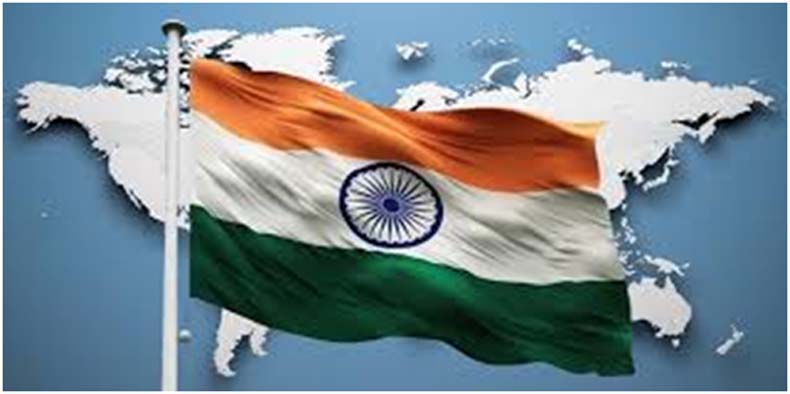
India distinguishes itself not through nonalignment, but balance based on national interest. It expands defence integration and technology cooperation with the United States while preserving energy access and legacy military channels with Russia. It contests China where friction is unavoidable and engages where disengagement would impose higher costs. This is not hedging. It is calibration. New Delhi treats alignment as a tool, not an identity, and avoids converting partnerships into obligations that narrow future options.
This is not ambiguity. It is a strategic discipline. India refuses imported framings of rivalry that narrow decision space. It avoids moral absolutism without sliding into opportunism. Border management with China proceeds alongside record trade volumes. Defence exercises expand without alliance entrapment. Energy diversification cushions shocks. Digital infrastructure and manufacturing scale add economic ballast. The area requiring addressal is its internal security faultlines and inclusive growth cum infrastructure development.
India’s value to partners lies precisely in its predictability. It does not overpromise. It does not posture as a saviour. It absorbs pressure without theatrical response. In a system where volatility is routine, this restraint becomes influence.
The uncomfortable claim is this: India benefits from great power incoherence more than any other major state today, and it has no incentive to help resolve it prematurely.
2026: Friction Without Resolution
The world entering 2026 is unlikely to stabilise or implode. It will harden. Friction will persist without settlement. Cooperation will occur selectively, driven by necessity rather than trust. The primary risk will not be deliberate war, but miscalculation under domestic pressure.
Power will favour those who absorb stress without overreacting. The loudest actor will not be the most influential. Discipline will matter more than declarations. Coherence will outlast spectacle.
ABOUT THE AUTHOR
 Lieutenant General A B Shivane, is the former Strike Corps Commander and Director General of Mechanised Forces. As a scholar warrior, he has authored over 200 publications on national security and matters defence, besides four books and is an internationally renowned keynote speaker. The General was a Consultant to the Ministry of Defence (Ordnance Factory Board) post-superannuation. He was the Distinguished Fellow and held COAS Chair of Excellence at the Centre for Land Warfare Studies 2021 2022. He is also the Senior Advisor Board Member to several organisations and Think Tanks.