“We must always remember that business cannot succeed in a society that fails”
– Late Kofi Annan Secretary General UN
My journey with skilling commenced in SV- Sri Vijaipuram – erstwhile called Port Blair. The head of an NGO, running an orphanage, had a challenge that after the boys turned 16 years, they had to leave the orphanage. Jobs were not easily available for untrained youngsters. I suggested to him to send a few of them for vocational training, post their school hours, for 2 hours to impart training in F&B services and in the housekeeping department, in our hotel.
Setting the context briefly
Hospitality industry ability to synergise with multiple other sectors can be a boon for the country.
In Bharat nearly 90% of the people work in the informal sector.
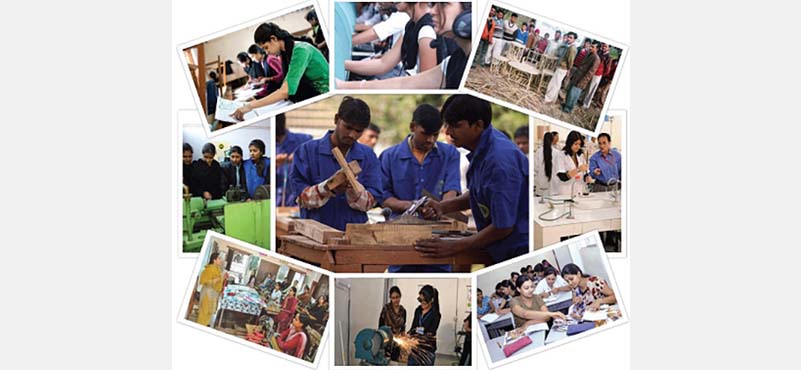
 India’s hospitality sectors core competency is that the hotels make good food, deliver excellent service, focus on safety, security, hygiene, diplomacy and attendants at the back of the house have skill sets, like plumbers, electricians and carpenters. Many skills can be imparted in an appropriate manner to the concerned category of trade skills identified.
Employment in India is primarily informal: 90 per cent of all workers are employed informally nationwide, they lack formal job contracts, benefits, and often access to structured training.
My brief focus is on sectors like the domestic help in our homes, the carpenters, electricians and plumbers whose skills can be upgraded because of the competency in that resides in the hotel industry.
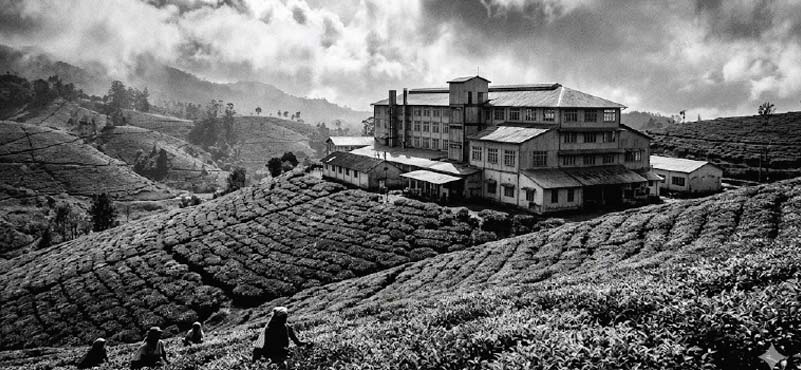
Most of them come from villages, or from the plantations dotting in different parts of the country, economically backwards regions of the society – https://ncfseskillindia.com/dwssc-domestic-workers-sector-skill-council/
These informal workers have different levels of literacy, many of them are illiterate. Therefore their knowledge can be shored up by our industry.
“Before anything else, preparation is the key to success.” – Alexander Graham Bell
Greening the trade skill workers
- Plumbers: Most of the plumbers have learnt the art of plumbing by working with senior experienced workers. Plumbing technologies have changed over the years hence hotels can bring young aspiring plumbers to the hotels and show them the art of working professionally. For example, one basic trait missing from the plumbers is that they do not clean up the place after they have finished their work.
They should be given inputs in water management and taught rain water harvesting techniques which will be great example of upskilling in a water stressed country.
- Carpenters: The carpenters need to be empowered with inputs like using rapidly renewable material like cane, rattan, bamboo and the ability of repurposing old discarded wood to make something useful.
- Electricians: Impart knowledge on fire safety, working at heights understanding the importance of reducing illumination by putting down lights ,which do not light up the sky in the night, in order to be sensitive to nocturnal creatures needs for darkness to sleep.
- Gardeners: they need to learn to use water frugally and on basis of moisture in the soil for watering. Importance of mulching to reduce water consumption. They can be trained in converting wet food waste into manure, to decouple the bulk generation of waste from going to the landfill sites. The manure can be sold to the farmers in adjoin areas, or sell to city based horticulturist.
- Skilling – Synergy between civil society and hotel industry
“Test of our progress is not whether we add more to the abundance of those who have much; it is whether we provide enough for those who have too little.”
– F.D Roosevelt
Domestic help in urban Bharat
- In 2004 our focus in CSR shifted from a narrow perspective to a broader view of the challenges to upgrade the informal sector. Therefore, we made a simple domestic help training program for the general public to read and adopt by interested corporates and for use by NGOs.
- CSR must be thought through so that it has widespread use beyond the boundaries of the company.
- Enlightened people live in different communities, so if we empower them with a user-friendly tool to use, citizens can do their bit to help these women/men upgrade their skills. Some companies put the DH module in their intranet. Some NGOs have started training domestic help to become professional and they have commanded very good salary after completion of the training imparted by these NGOs.
- Educate them on their rights: government schemes for the poor, on health front, and about their children’s wellbeing?
- Impart soft skills as in communication, team work, adaptability, problem solving.
- Hard skills. like teaching them to handle the microwave, washing machine and any other gadgets that they have not experienced before in a proper and safe way.
- Basic induction at home when they join – communicate the work process at home -each home will have variation.
- Check if they have a bank account, if not, help them to open an account.
- Accident Insurance DH – domestic help. For 2 lakhs insurance coverage, annual premium is Rs 12/ – through any bank. Apprise them about the PPF account.
- Enhance their skills in: cooking, soft skills, fire safety- 3 types of fire, water and energy conservation – working towards 0 waste in the kitchen.
- Impart knowledge on how to take care of senior citizens, children and people with different disabilities – making DH multi skilled so that they can earn more.
- Organize free health camps: general check-up /eye care etc.
- Free tuition in spare time, for their children.
- Supporting any special talent in sports, music and handicrafts.
- Adult literacy and financial literacy will help them to increase their income.
- Simple advice for their home on health, resource management, like waste management – clean cooking stoves, low-cost renewable energy devices, setting up bank of nutrition for raising their nutritional profile in their villages by growing super foods like papaya, guava, amla and banana in their back yard.
- Explaining in simple ways importance of local ecosystems: local lakes, flora & fauna.
- Give them one weekly holiday.
- Allow them to use the restroom in your house when on duty. Impart knowledge on toilet etiquettes- abundantly found in IT sector and restaurant rest rooms.
NSDC started Skills council for domestic help in 2013. https://nsdcindia.org/sites/default/files/Domestic-Help.pdf
 India has demographic dividend as it is the most populated country in the world nearly 1.40 crores. If we get the people in the informal sector become professionals and certify them in their work, we have an opportunity to send them to other countries.
To cater to the global employment market, domestic help from Philippines and Sri Lanka are in great demand in EU, Middle East countries and elsewhere. They are allowed to go abroad if they are trained and certified.
Hospitality industry has a great role to play in imparting on the job training to young Indians and make them confident citizens of India to work anywhere.
I will like to end this article with the following quote:
“Do what you can, with what you have, where you are.”
– Theodore Roosevelt.
(The views expressed in the article are that of the author)
ABOUT THE AUTHOR
 Niranjan Khatri is ex General Manager Environment Initiatives of ITC hotels. He pioneered the concept of eco designing in Welcomgroup Bay Island in Port Blair.