In a democracy, institutions question one another. Citizens question their leaders. The media questions the state. But rarely does a soldier question the nation he serves. A veteran soldier does not accuse — he introspects. He asks a simple yet profound question: “Whom am I protecting?”
Drawing from decades in uniform and invoking India’s civilizational and freedom-struggle legacy, he calls upon politicians, bureaucrats, judges, media professionals, industry leaders, and citizens alike to examine whether they discharge their duties with the same sincerity expected of those in uniform.
This is not a cry of anger. It is a call to conscience. It reminds us that national security begins not at the border, but in character.
The Question in the Silence
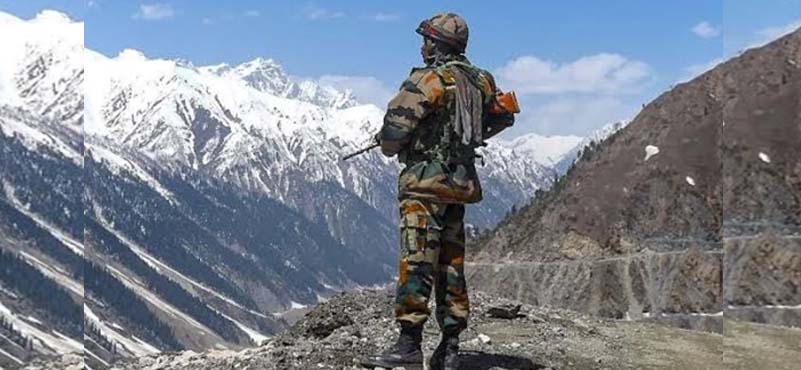
At 18,000 feet, where oxygen thins and silence deepens, one hears one’s own thoughts more clearly than the wind. In such moments, after decades in uniform, I have asked myself a question I never voiced publicly: Whom am I protecting?
I ask not in doubt.
I ask not in disillusionment.
I ask in responsibility.
I joined young. I gave my youth willingly. I missed festivals, family milestones, my children’s growing years. I stood guard in snowfields, deserts, jungles. I obeyed every lawful order — promptly, fully, without negotiation. The nation expects that of me. And rightly so. But is duty expected only of soldiers?
I Stand on the Shoulders of Martyrs
Before I wore this uniform, others wore chains.
- Rani Lakshmibai rode into battle against empire.
- Khudiram Bose smiled at martyrdom as a teenager.
- Bhagat Singh embraced the gallows at 23.
Subhas Chandra Bose raised an army in exile.
They did not fight for convenience. They fought for dignity. When I stand guard, I do so in continuity with them.
They asked, “What does my nation demand of me?”
I ask, “What does the nation demand of itself?”
The Soldier’s Covenant
The military ethos is simple:
- Duty before Comfort.
- Integrity before Gain.
- Nation before Self.
Failure is not an option because consequences are fatal. In uniform, standards are uncompromising. There is no partial patriotism. If I cannot postpone a patrol for personal reasons, can governance postpone reform indefinitely? If I cannot compromise on discipline, can institutions compromise on integrity?
To Those Who Govern
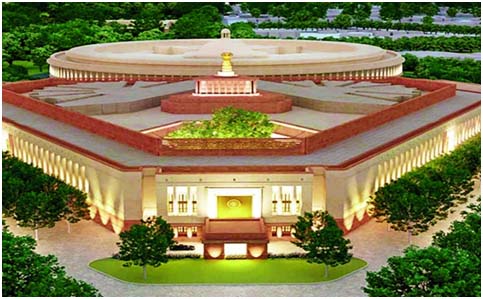
- To the Political Class. When you seek office, do you see it as stewardship or as entitlement? Power is transient; institutional damage can be generational. Short-term electoral calculus must not outweigh long-term national interest.
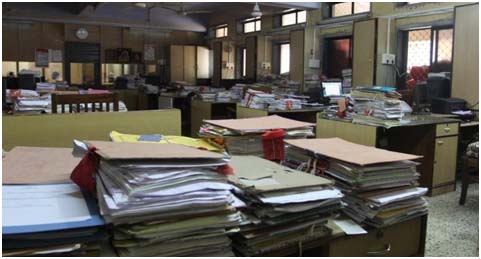
- To the Bureaucracy. Files do not bleed — but delayed decisions can weaken a nation. In combat, hesitation costs lives. In governance, hesitation costs futures. Efficiency is not administrative luxury; it is strategic necessity.
To the Judiciary and Media
- To the Judiciary. Justice delayed erodes public faith. When cases linger for decades, citizens begin to doubt whether fairness is real or rhetorical. I defend the Constitution, framed under the leadership of B. R. Ambedkar. But citizens experience it through courts. If justice falters, faith falters.
- To the Media. Truth fortifies nations. Sensationalism fragments them. Debate is vital — but division is corrosive. Words can weaken morale as surely as misinformation can aid adversaries. National security requires responsible communication.
To Industry and Enterprise
Economic power strengthens sovereignty. Growth fuels capability. Innovation builds resilience. But growth without ethics is fragile. Transparent contracts, fair labour practices, honest taxation — these are not regulatory burdens; they are pillars of national strength. A strong economy built on weak ethics is a house on sand.
To My Fellow Citizens
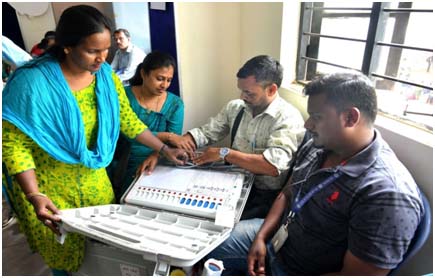
And now, to my fellow Indians.
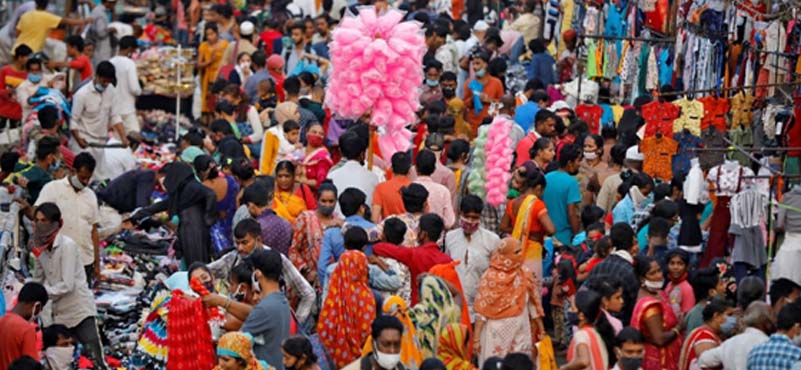
When we evade taxes, ignore civic rules, circulate unverified information, or remain silent in the face of wrongdoing — we chip away at the Republic. Citizenship is not a spectator sport. When I guard the border, I do not ask who you voted for. I do not ask your religion, language, ideology. I protect you equally. Can we practice responsibility with equal impartiality?
A Civilizational Lens
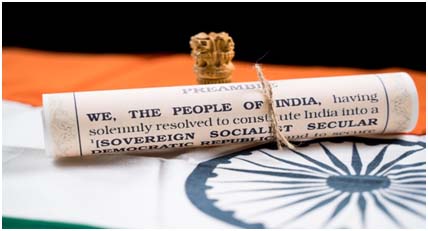
India is older than its modern state. From Ashoka’s edicts to our democratic Constitution, this civilization has emphasized Dharma — righteous duty. Dharma is not ritual. It is responsibility.
My dharma is clear.
Is the nation’s equally clear?
No adversary can defeat a society disciplined within. But internal erosion — corruption, polarization, apathy — weakens from inside. The border is visible. Character is invisible — yet decisive.
I Acknowledge Progress
India has advanced. Infrastructure has grown. Technology empowers. Transparency mechanisms have strengthened. Global standing has risen. But improvement does not eliminate obligation. If the Army conducts after-action reviews, can the Republic not conduct moral reviews?
What I Truly Seek
My sacrifice was never transactional. I did not serve for applause. But I want my sacrifice to matter. I want the mother of a fallen soldier to know her son strengthened a nation worthy of him. I want the widow of a martyr to feel that justice and integrity define the Republic he died for. I want the young cadet today to believe that the values he learns in training are reflected in the society he protects.
The Answer Remains
When I ask, “Whom am I protecting?” the answer is unchanged: I protect India — flawed, vibrant, argumentative, resilient. I protect democracy, dissent, diversity, debate. But I ask this of every pillar of society: Protect what I protect.
Guard integrity.
Guard institutions.
Guard unity without uniformity.
Guard the spirit of the Constitution.
Do your duty with the same seriousness with which you expect me to do mine.
Final Reflection
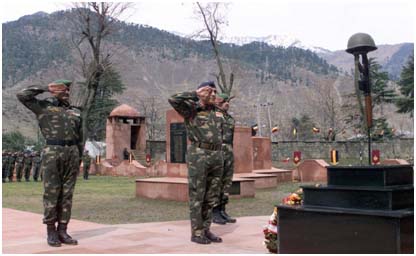
Tonight, when I stand guard again, I will not hesitate. Because that is dharma. But in the silence, I will hope: That the sacrifices of Rani Lakshmibai, Khudiram Bose, Bhagat Singh, Subhas Chandra Bose — and countless unnamed soldiers — continue to mean something profound. May India be strong not only in weapons, but in character.
If that happens,
every frozen night,
every silent sacrifice,
every drop of blood shed in uniform
will have been worth it.
ABOUT THE AUTHOR
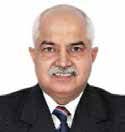
Lt Gen Rajeev Chaudhry (Retd) served for four decades in Indian Army and has acquired deep experience in infrastructure governance, institutional transparency, and administrative reforms. He has led digitisation and accountability initiatives within government systems and writes on the intersection of strategic statecraft, infrastructure as a tool of deterrence, and India’s civilisational governance traditions.