
India stands on the cusp of becoming the world’s third-largest economy. The numbers are dazzling: record GST collections, surging stock markets, historic capital expenditure on roads, highways and urban infrastructure. Yet, on the ground—on actual roads, flyovers and bridges—another story unfolds: of shoddy work, faulty designs, brazen corruption and a seamless nexus between designers, contractors, bureaucrats and politicians. A story in which public money is private loot, and public safety a rounding error.
In the last few years, the country has witnessed an alarming pattern of structural failures, engineering blunders and acts of God that are, in truth, acts of men. The common thread: almost no one is punished.
India’s New Landmarks: Rust, Cracks and Collapses
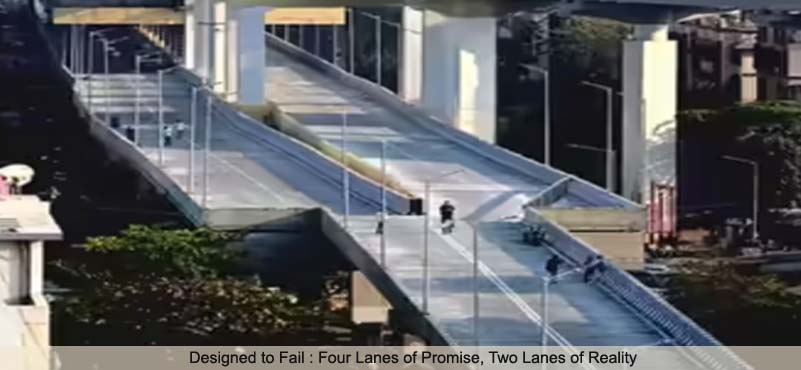
Mira-Bhayandar Flyover: A Bottleneck by Design. The Mira-Bhayandar flyover is a case study in how design failure can be institutionalised. On paper, it’s a modern flyover meant to ease congestion in a rapidly growing suburban belt. In reality, a four-lane stretch suddenly converges into two lanes, creating a permanent choke point. The result: traffic chaos, frequent jams, heightened accident risk and a daily assault on commuters’ time and sanity.
This is not a small oversight. Any competent traffic engineer knows that abrupt lane reductions without proper transition, signage and speed-calming measures are dangerous. Yet, the project was conceived, cleared, executed and inaugurated with fanfare. No explanation, no redesign, no public apology. Who approved this? Which consultant signed off? Who in the government validated the design? Silence.
The 90-Degree Flyover in Bhopal: Geometry Against Common Sense. If the Mira-Bhayandar case is a planning blunder, the near-90-degree flyover turn in Bhopal is an engineering absurdity. A flyover curve so sharp that it defies basic design norms and common sense has turned into a hazard in the name of development.
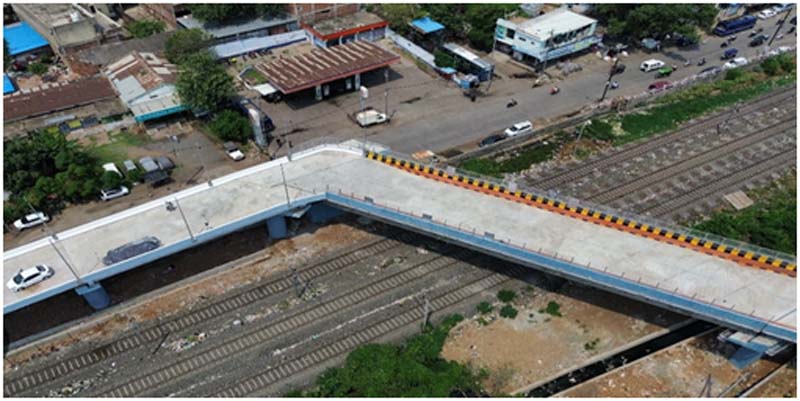
Any first-year civil engineering student learns that highway and flyover curves must adhere to standards of super-elevation, radius, speed design and sight distance. Yet, this project cleared every official hurdle: DPR, design vetting, tendering, execution, inauguration. How did a hairpin turn at height pass through multiple layers of expert review? Again: no answers, no accountability.
Bihar: 12 Bridges in 20 Days – A Collapse of Systems. If one faulty flyover can be dismissed as an exception, Bihar’s recent spate of bridge collapses—12 in just 20 days—exposes a system rotten from within. These weren’t century-old structures collapsing from age. Many were relatively new, some under construction, others supposedly built to modern standards.
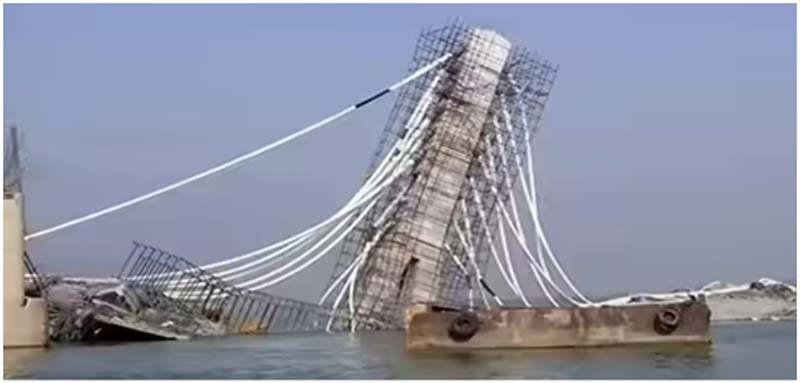
Each collapse was followed by the usual ritual:
- A statement that a high-level inquiry will be ordered.
- Finger-pointing between departments.
- Technical reasons like heavy rainfall, unexpected currents, or alleged overloading.
What we do not see is what any functioning democracy must demand: names, charges, blacklisting, recoveries and jail time. Instead, in many such cases, the same contractors continue to get new contracts, the same officials continue to be promoted or shuffled, and the political patrons remain untouchable.
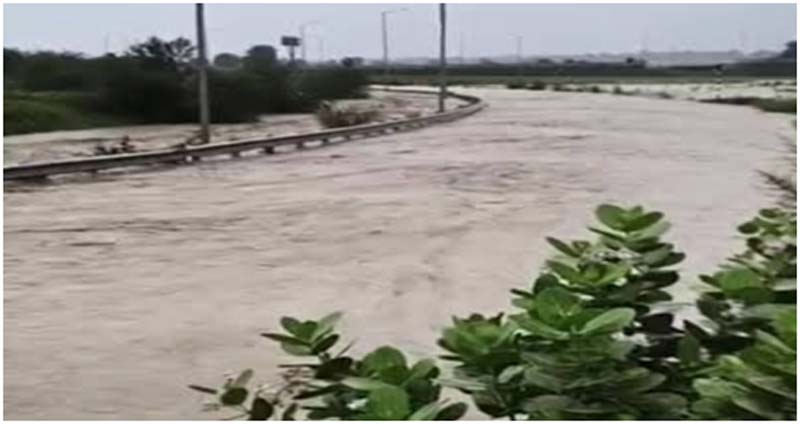
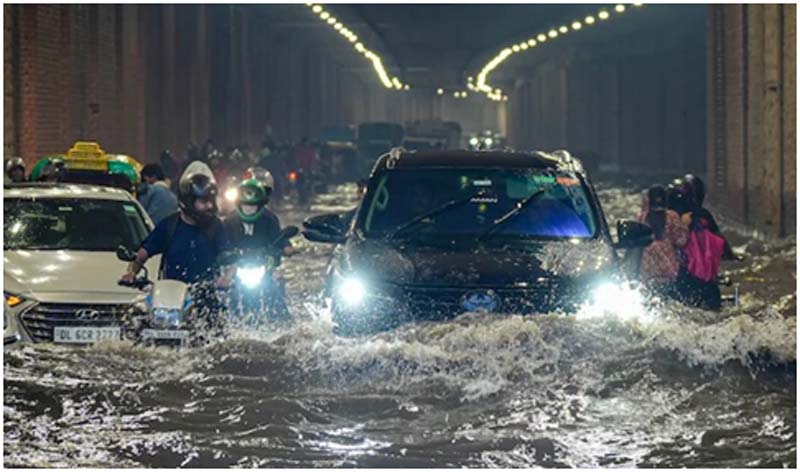
National Highways: Annual Monsoon Disasters. Across India, the monsoon has become a season of exposure. National Highways flood with predictable regularity, with water logging on elevated roads, underpasses turning into swimming pools and freshly laid stretches disintegrating into potholes within months. Drainage design is not rocket science; it’s textbook engineering. Yet, projects worth thousands of crores behave like trial-and-error experiments every rainy season. Road camber, side drains, culverts, storm-water planning—either poorly designed, badly executed, not maintained or all three. Still, each year, new projects are announced while citizens struggle through submerged roads, stalled vehicles, and fatal accidents due to hidden craters. And once more: no specific accountability for failure.
The Nexus, the Impunity, and the Price We Pay
The Nexus. The nexus between politicians, bureaucrats, designers and contractors operates like a closed cartel. Politicians push big-ticket projects as proof of development and decide who benefits from contracts. Contractors under-quote, expecting to recover margins by using substandard materials, cutting corners on safety and speeding up work. Designers and consultants, who should be independent watchdogs, often become compliant service providers, stamping approvals on flawed DPRs and unsafe designs. Bureaucrats and engineers, who sanction projects, clear bills and certify quality, move in and out of the same departments, building cosy, long-term relationships with influential contractors. In this ecosystem, everyone at the top shares the spoils; the risks are pushed downward onto the public.
Zero Accountability. This structure naturally breeds zero accountability. Responsibility is dispersed between multiple agencies so that when a flyover is dangerously curved or a bridge collapses, blame is diluted and inquiries become rituals. Defect liability clauses exist on paper but enforcement is rare; blacklisting is sporadic and often reversed quietly. Political patronage shields favoured firms, and the harshest penalty many officials face is a transfer, not criminal liability.
The Human Cost. The human cost of this impunity is immense. Commuters lose hours daily in jams created by bad design, like the Mira-Bhayandar bottleneck. Hazardous curves like the Bhopal flyover and crumbling bridges in Bihar turn routine travel into a gamble with death. Flooded highways strand ambulances and workers, while hidden potholes cause fatal accidents and constant vehicle damage. This everyday suffering doesn’t make headlines like a spectacular collapse, but it drains productivity, household budgets and public trust.
Structural Remedies. Real change demands structural remedies: independent, publicly accessible design and quality audits; a national blacklist of errant contractors and consultants; personal legal liability for approving officials; long-term, outcome-based contracts; and stronger legislative and citizen oversight. Only by restructuring incentives and making failure costly for individuals—not just the exchequer—can India break this cycle of corruption, decay and denial.
Growth with Cracks is not Sustainable
India is not short of money, ambition or engineering talent. What it lacks is the fear of consequences. A country that can launch missions to the Moon should not be building flyovers that behave like traps and bridges that dissolve in a single monsoon. When public works consistently fail, it is not an accident of fate; it is a verdict on governance. Crumbling pillars and flooded expressways are not technical glitches — they are physical evidence of a culture of impunity protected by a nexus of power and profit, and outright indicators of moral failure. Growth measured only in GDP and kilometres of highway is a hollow statistic when citizens travel in fear and rage.
To break this, India must move from project-count to quality-count, from inauguration politics to integrity politics. Buildings, roads and bridges are more than concrete and steel; they are a reflection of a society’s values—whether it respects its citizens’ safety, time and money. India’s next leap will not be decided only in boardrooms and global rankings, but on its roads, bridges and flyovers. The nation that aspires to rise must first prove it can keep its structures standing and its people safe. Anything less is not development—it is deception. Until accountability is non-negotiable, every new project carries a warning label, whether we print it or not: Use at your own risk.
ABOUT THE AUTHOR
 Lt Gen Rajeev Chaudhry (Retd) is a social observer and writes on contemporary national and international issues, strategic implications of infrastructure development towards national power, geo-moral dimension of international relations and leadership nuances in changing social construct.