We are Atmanirbhar in Tourism, Put Strategy Upfront to Ensure Movement
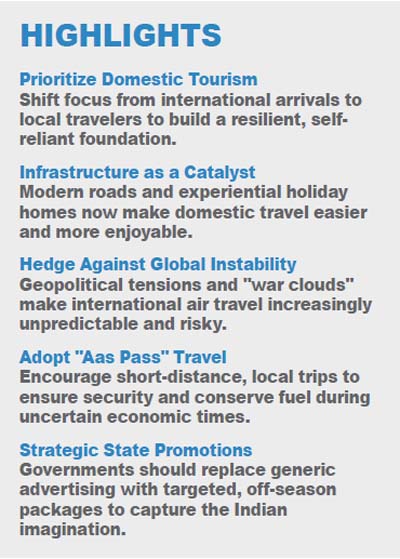 For all the growth we have witnessed in the last year and two, it is domestic tourism that needs a more determined push. All the growth we have seen so far, is organic, driven by the lust for travel, when both frequency of visits and travel spends have increased significantly. Especially, now when we have a strong infrastructure that allows for more ease in travel, that ensures more enjoyable tourism. Transport on all means, accommodation especially if you consider the new-age experiential holiday homes, accessible mostly by road journeys, we have plenty of opportunity available. And when war clouds are hovering, it is more than likely that travel from the West will witness an immediate decline. The way to go is domestic. It is a good time to reinforce the spirit of Being Indian, Buying Indian.
When the nation is talking obsessively of Atma Nirbharta, self-reliance is the national calling of the moment. The question is not whether we have it or not, the issue is the importance that we should be self-reliant. Can there be two opinions on it? Yes, we must, and wherever possible, we must strive to achieve it. Which does not mean to do not collaborate and look outside, except we must be self-reliant, as and when we feel the pinch from external factors.
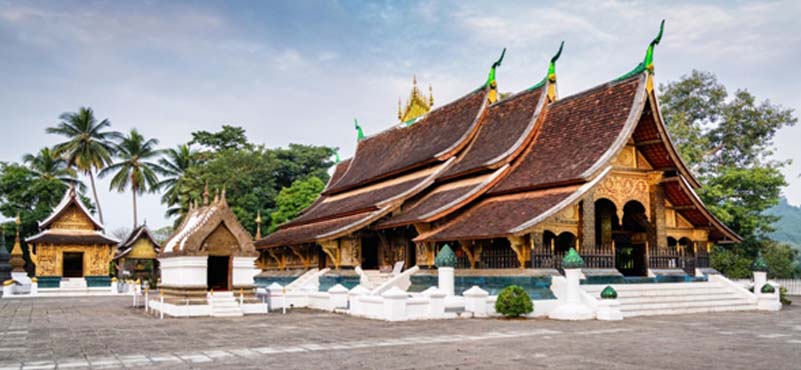
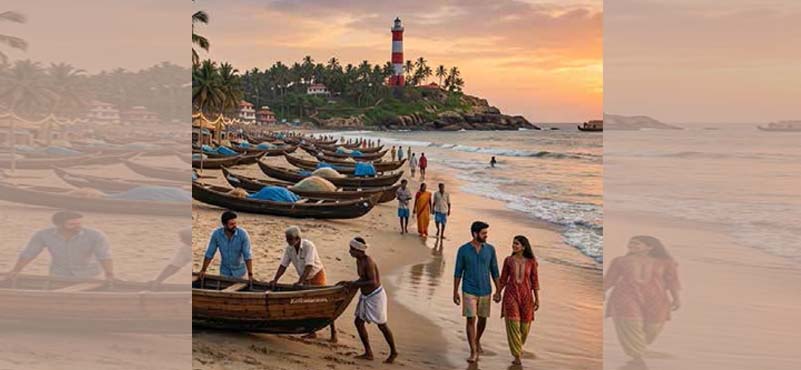
One area in which we are, have been, and will be, only if we dare to look around, is tourism. We can be self-dependent, as much as we desire. We have everything going for us – places to visit, places to experience, history and culture, events around arts, festivals and sports. You name it, we have it. The fact is, that domestic discoveries are growing, domestic movements are expanding fast, we are getting there to a steady position, where domestic is becoming the foundation of our travel and tourism industry. Which, for a country of our size, ought to have been, in the first place. But historically, we started in tourism on a different note, where this activity was for the rich and famous, at price points where few Indians could afford it, and with five-star glamour thrown in, we attracted only foreigners. In recent years, this has got course corrected, with domestic tourism becoming the mainstay of our industry. Foreign tourism has become the icing on the cake.
This has become even more important, in times like these, when war clouds are not just there, they are hovering around. One mad streak display, one wrong decision by some stroke of lunacy, we can lose all our sense of peace and security. It is not that we make such a mistake, which one can be sure we would not, but there are a hundred others, outside, on whom the future hangs. Like one hears, one can never tell! Air travel to the outside world has become somewhat risky as well, as all of a sudden, flights get cancelled, airports get closed, and passengers are left stranded, in strange places. Unpredictability has increased almost to a near possibility, though there are parts in the East that remain safer, for the present at least.
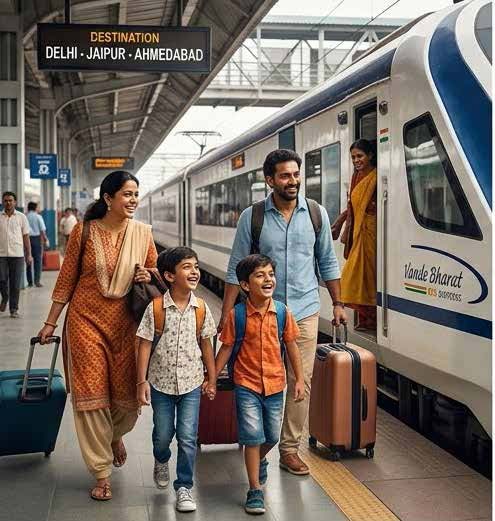 For tourism to show its resilience, and perhaps also to keep the wheels of the economy moving, as an activity that can span travel, the tourism industry needs a purposeful vision, long term assessments and calibrated signals to growth, even as the Middle East is up in arms, with no idea of how long, and with what intensity. Let us look at some important touch points.
1. Keep the sector on the move. Do not do anything that can prove detrimental. It is time to ensure that the momentum continues, that Indians use these times to keep travelling.
2. Encourage short distance travel. It is ideal to stay as close to home as possible. Stay the course on what Ashwani Lohani coined “aas pass tourism”, stay and discover close-by destinations. Not just to remains secure, but also to not spend unnecessarily on extra fuel. Even if you can afford it, why consume a scarce commodity that is also likely to become costlier. It is not the price, it is essentials.
3. Hotels and other accommodation establishments, as a policy, should keep rates in check. Don’t bring them down, but ensure we remain not just competitive but, more importantly, attractive enough to keep the interest levels going. Rates should not become a push back to domestics, at any price points.
4. The same goes for other transport networks. We don’t expect rail and road costs to go up, unless fuel prices do, as these are largely government controlled. But air transport should not become a luxury, though staying afloat and healthy on their balance sheets must also remain a priority. Unless fuel prices go up, become unaffordable, better to first aim to continue to attract customers. If promotions are possible, a good time to start them.
5. It is also time for state governments, they all have the financial resources, to put out suitable promotions on selected destinations, in consultation with industry, not just ad hoc repeats that are generic in nature. Vanilla advertising, to many minds, is waste, as no Indian needs to know more about a state in the most generic terms – we know them already. A good time to capture the imagination of the Indian traveller to explore all experiences Indian. Not just tourism, but India First, or more precisely, Bharat First, as much of this discovery is outside of metro cities.
6. Some 40 years ago, Goa Tourism initiated packages to promote their off season, the monsoons, when people did not visit the state. All this is now history. Goa is now an all-season holiday destination, much to the envy of many others. Many parts of India, in the coming months, will witness their low season – like in Jaipur, Agra, Varanasi and other parts of Rajasthan, as one example. The state tourism departments can promote special packages for the off-season; hotels give their rates and the state spends on their promotion.
Some of this call for immediacy in action, not just sitting upon these ideas as just desirable or wishful thinking. Collective action is the need of the hour.