
The Town That Slowed My Pulse
Descending over the Mekong, Luang Prabang revealed itself not with skyscrapers or noise but with tiled roofs, temple spires, and a river older than ambition. Mist lingered over green hills, and within an hour of arrival, my pulse slowed. The absence of urgency was striking: no honking, no rush to maximize sightseeing, even the airport whispered rather than shouted. Colonial facades lined the streets, saffron-robed monks walked barefoot, and life unfolded without frenzy. For the first time in years, I was not optimizing time — I was simply present.
At dawn, the town’s rhythm deepened. Women offered sticky rice to monks in the quiet ritual of Tak Bat. This was not performance but discipline, repetition, inheritance. Silence structured the act, reminding me that spirituality need not be spectacle. India too has sacred mornings — temple bells, ghats, chants — yet often volume replaces silence. Luang Prabang taught me that humility, not itinerary, defines slow tourism.
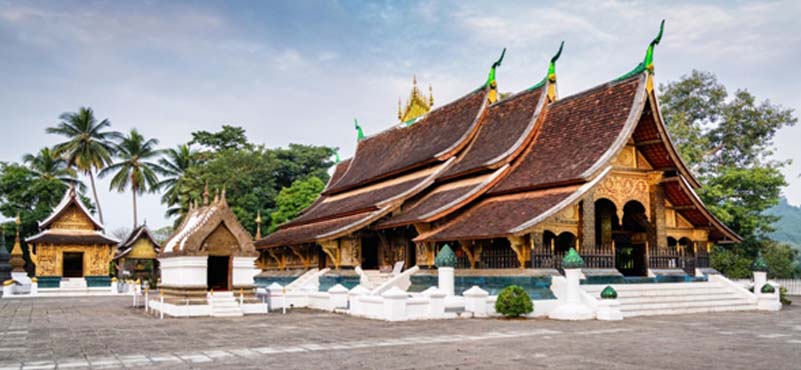
Its architecture reinforced this lesson. Wat Xieng Thong’s roofs slope gently, bowing to earth rather than intimidating the sky. Gold mosaics shimmer softly, and surrounding wooden houses and colonial buildings remain proportionate to river, trees, and human scale. Unlike modern skylines that chase height and spectacle, Luang Prabang celebrates restraint. India’s heritage towns, by contrast, often suffer from vertical ambition and intrusive signage. Here, beauty resides in proportion and discipline.
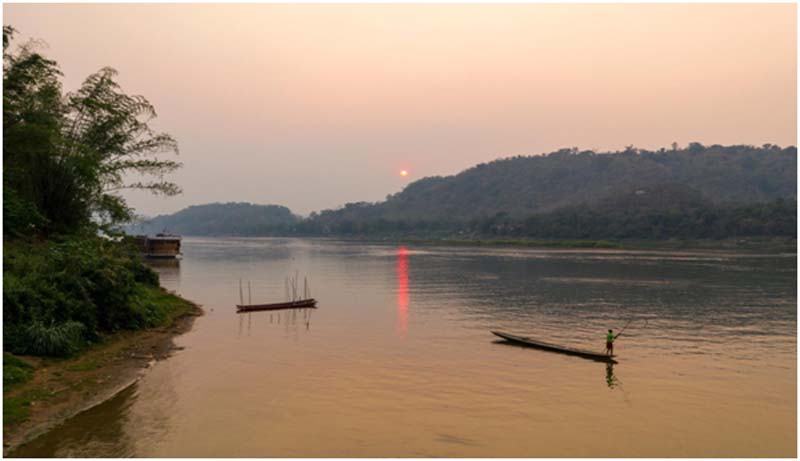
Evenings belonged to the Mekong. Boats moved slowly, fishermen cast nets patiently, and sunsets unfolded without competition from amplified music. The river was not backdrop but presence, reminding me that civilizations grow beside rhythm, not just water. India’s rivers — Ganga, Brahmaputra, Narmada — hold similar power, yet tourism often reduces them to scenery. Luang Prabang insisted that landscape must speak, not be interrupted.
Lessons for India: The Model of Luang Prabang
Designated a UNESCO World Heritage Site in 1995, Luang Prabang retains integrity not through preservation alone but through lived balance. Its success rests on walkability, limited vehicular dominance, spiritual continuity, a craft-based economy, architectural restraint, and disciplined soundscape. Tourism here is not aggressively marketed; it emerges organically from structure.
This is not backwardness but balance — development without distortion. The town demonstrates that heritage can thrive when proportion, silence, and humility guide growth. India, with its vast reservoir of sacred towns and river settlements, could rediscover similar wisdom. By resisting vertical ambition, curbing intrusive noise, and honouring spiritual rhythms, we might reimagine tourism as dialogue rather than consumption.
Luang Prabang slowed my pulse, but more importantly, it sharpened my understanding: slow travel is not about doing less, but about listening more — to rivers, rituals, architecture, and silence.
The Indian Paradox: Speed Versus Sacredness
India is civilisationally layered beyond measure — pilgrimage routes older than empires, monasteries predating nations, temple towns codified centuries ago, and forest retreats sanctified in scripture. Yet modern tourism often arrives in haste. Sacred geography becomes a congested corridor, temples reduced to checklist stops, and rivers treated as backdrops. Noise rises, plastic accumulates, and architecture expands without discipline. The issue is not tourism itself but speed.
Luang Prabang in Laos demonstrates that small towns can protect rhythm amidst global travel flows. Why then does India, with its vast spiritual inheritance, equate development with decibel escalation and convenience with congestion? Why must footfall always be maximized? The paradox is stark: India’s heritage thrives on rhythm, yet tourism accelerates it into rush.
Rediscovering India’s Native Rhythm
Historically, India understood slowness. The yatra was preparation, not excursion. Pilgrims walked, halted, and listened; time was a companion, not a constraint. Ancient cosmology emphasized cycles — seasons, festivals, and the concept of ṛta (cosmic order). Balance, not speed, defined progress.
Global tourism models, however, have equated acceleration with modernity. Luang Prabang offers another possibility: growth without frenzy, visitor economy without vulgarity, preservation without paralysis. India need not import this model; it can adapt it uniquely. The challenge is not identifying destinations worthy of slow tourism — India has thousands. The challenge is prioritizing rhythm over rush.
Slow Tourism: a Quiet Possibility
India’s geography holds luminous pockets where slowness is not innovation but continuity. These places embody rhythms of ecology, spirituality, and community that resist acceleration, offering natural templates for slow tourism. Preserving them requires conscious design, restraint, and humility.
- Majuli. The world’s largest inhabited river island on the Brahmaputra, demands patience even to reach — ferries regulate inflow, altering psychology before arrival. Its Vaishnavite monasteries (Sattras) sustain art, theatre, and devotion, while artisans craft masks for Bhaona performances. Daily life flows gently between ritual and work. Majuli exemplifies slow tourism: limited access, monastic cadence, craft-based economy, and river ecology. To protect it, large hotels must be capped, homestays regulated, waste managed strictly, and visitors oriented culturally. Incentivising longer stays ensures immersion over consumption. Majuli teaches what the Mekong taught in Laos: rivers demand humility.
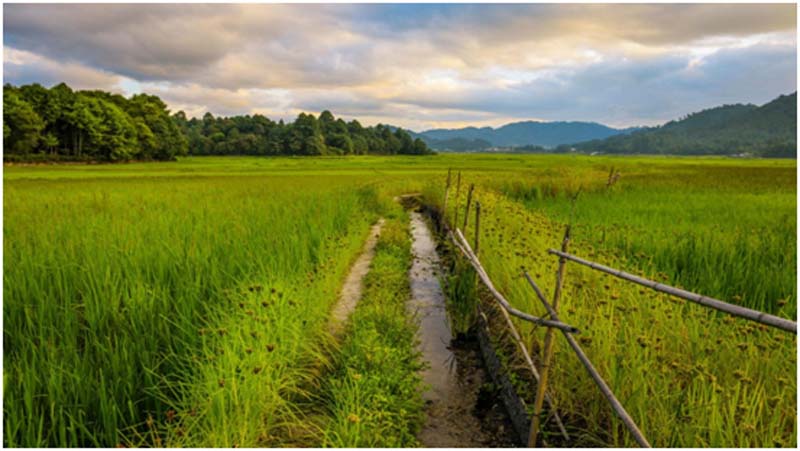
- Ziro. Further East, Ziro valley in Arunachal Pradesh cradles the Apatani tribe, whose sustainable rice-fish cultivation reflects ecological wisdom refined over generations. Wooden, low-rise villages embody community cohesion and agricultural rhythm. Ziro invites observation rather than spectacle. Risks lie in festival-driven commodification and rapid construction. The model must include visitor caps, architectural guidelines, bans on amplified music, and immersion workshops in agriculture, crafts, and oral history. Slow tourism here respects ancestral rhythm rather than exoticising tribal life.
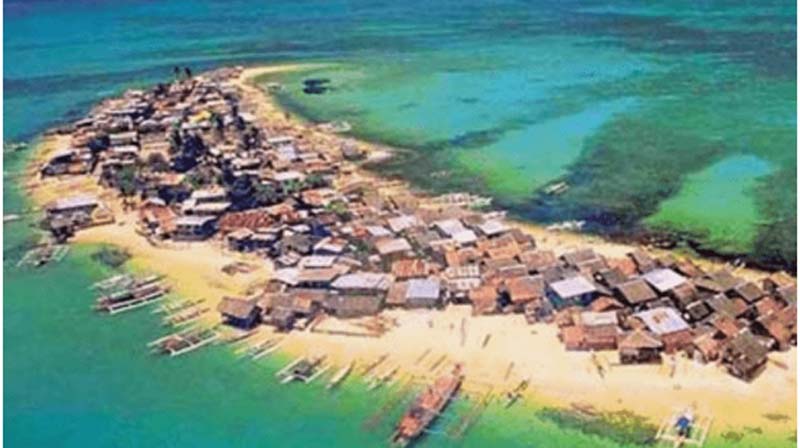
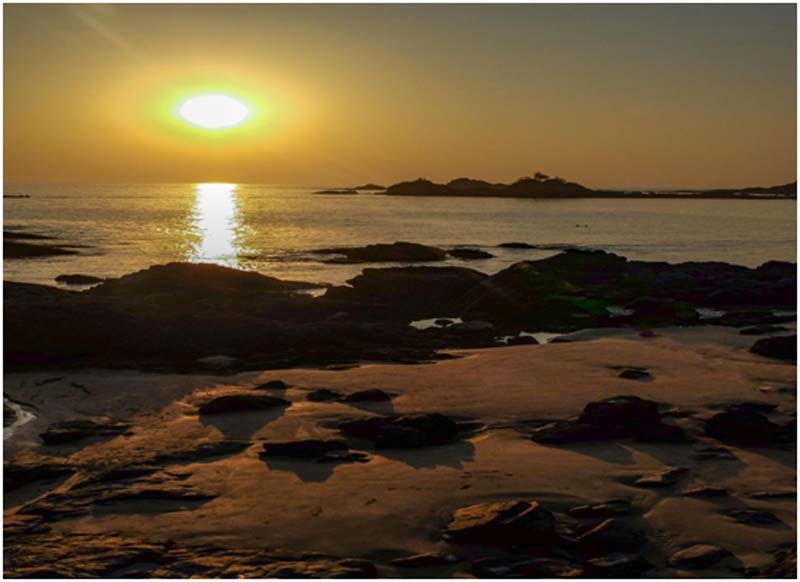
- Gokarna. On Karnataka’s coast, Gokarna balances temple town and beach settlement. Pilgrims and backpackers share narrow lanes, and the sea remains audible at night. Yet rising construction and signage threaten its scale. Gokarna stands at a crossroads: either overbuilt coastline or restrained beacon. Heritage zoning, height restrictions, sound control, and beach cleanliness can preserve its rhythm. Month-long programs in yoga, philosophy, and coastal ecology could anchor slow tourism, allowing temple bell and tide to coexist.
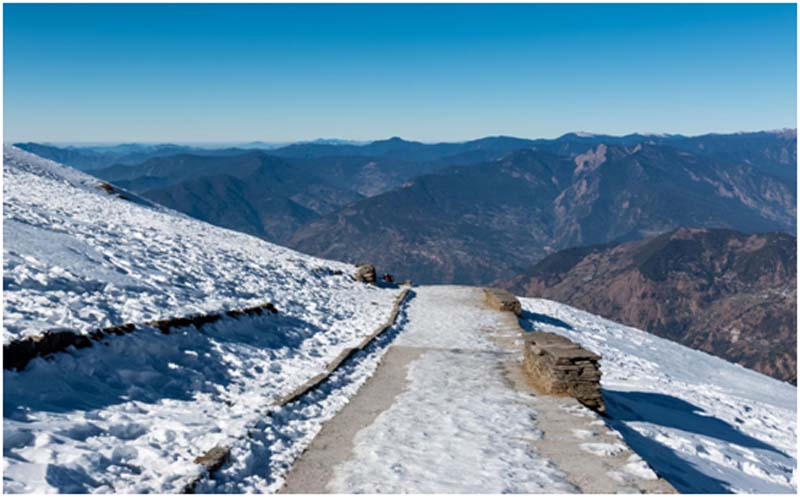
- Chopta. In Uttarakhand’s Garhwal region, Chopta offers meadow, sky, and wind. Trekking to Tungnath temple embeds slowness naturally, as vehicles cannot dominate and oxygen reminds visitors of limits. Its sacred geography and ecological fragility demand reverence. Preventing concrete sprawl, plastic tourism, and loud events is essential. Encouraging eco-lodges built with local material, waste carry-back policies, visitor education, and night-sky conservation zones sustains its rhythm. In the Himalaya, slow tourism is survival, not choice.
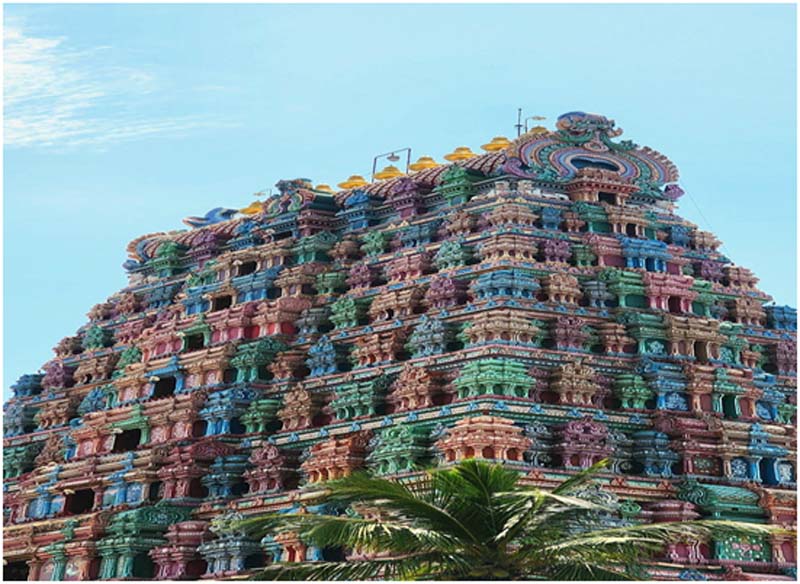
- Karaikal. It is part of Puducherry, which remains quieter than its famous sibling. Its beaches, temples, and fishing community offer serenity before excess arrives. With proactive planning — low-rise coastal regulation, seafood trails, cycling-friendly streets, and strict plastic control — Karaikal can avoid mistakes of overexposed coastlines.
What unites these destinations — Majuli, Ziro, Gokarna, Chopta, Karaikal — is their natural boundaries, cultural identity, walkable scale, and spiritual or ecological anchors. They do not need reinvention, only calibration. Slow tourism here is not anti-development but strategic development: restraint before expansion, community before corporation, silence before spectacle. India’s fragile landscapes remind us that progress must inhabit rhythm, not erase it.
Economics of Slowness
Critics argue India needs scale, footfall, and revenue. Yet slow tourism does not reduce revenue; it redistributes it. Longer stays increase local spending, homestays spread income widely, reduced infrastructure strain lowers public costs, and heritage preservation sustains appeal.
Fast tourism extracts value quickly but leaves ecological debt. Slow tourism embeds value and compounds it over time. It is not anti-development but strategic development. By embedding restraint before expansion, community before corporation, and silence before spectacle, India can sustain both economy and ecology.
Towards an Indian Model
On my final evening in Luang Prabang, I realised I had not “covered” the town; I had inhabited it. That distinction — between tourism and travel — is crucial. India must consciously design equivalents where silence is protected, architecture regulated, rivers respected, and communities lead tourism rather than endure it.
Slow tourism in India cannot be copy-paste from Laos. It must reflect Indian diversity, from Himalayan treks to coastal temples, tribal valleys to river islands. But the principle remains constant: rhythm over rush. India’s paradox is that it already possesses the inheritance of slowness; what it lacks is the discipline to protect it.
If India embraces this design, it will not merely attract visitors — it will transform them. And perhaps that is the true purpose of travel: not consumption, but inhabitation.
Recommendations: Designing a Slower India
India must move from admiration of slowness to policy architecture that protects fragile geographies and cultural rhythms. Slow tourism cannot remain a slogan; it must be codified into governance.
- Visitor Density Caps. Every river island, Himalayan meadow, or coastal settlement has a carrying capacity. India should establish scientifically determined visitor limits, seasonal rotation systems, and advance permit frameworks for sensitive zones. Success must be measured by sustainability, not mass access.
- Architectural Discipline. Luang Prabang thrives under strict height controls and aesthetic coherence. India must impose similar restrictions in heritage and ecological zones, encourage local materials, and mandate architectural review boards. Without design, development becomes visual anarchy.
- Soundscape Protection. Silence is an economic and spiritual asset. Tourism towns must enforce decibel limits, quiet hours, and restrictions on amplified outdoor sound. Acoustic dignity is essential for sacred geographies.
- Homestays Over Hotels. Large resorts concentrate profit; homestays distribute it. Policies should provide tax incentives, training, and digital platforms for certified homestays in slow tourism clusters. This ensures local participation and prevents external domination.
- Slow Tourism Certification. A “Slow India” certification mark could be awarded to towns meeting criteria such as walkability, waste management, visitor density control, architectural regulation, and community-led governance. Certification builds brand value while preserving standards.
- Education of the Traveller. Policy alone cannot guarantee slowness. Visitors must be oriented with cultural etiquette guidelines, environmental briefings, and incentives for longer itineraries and local craft purchases. A traveller who understands the fragility of Majuli’s riverbanks or Chopta’s meadows becomes a stakeholder, not a spectator.
- Avoiding Romanticisation. Slow tourism is not about freezing towns in poverty. Electricity, healthcare, education, and digital access are non-negotiable. The goal is development without distortion — modern amenities alongside ecological and aesthetic restraint.
- Economic Pragmatism. Slow tourism sustains ambitions by redistributing revenue. Longer stays increase per capita spending, reduce infrastructure strain, spread income through homestays and crafts, and preserve landscapes for long-term profitability. Fast tourism extracts value quickly and leaves ecological debt; slow tourism compounds value sustainably.
- Governance Tools. India has already regulated tiger reserves, coastal zones, and heritage bylaws. The instruments exist; what is needed is intent. Political pressure, investor demands, and social media popularity must be balanced with sustainability.
- Psychological Dimension. Slow tourism recalibrates urban anxiety, trains observation, restores patience, and rebuilds attention. A calmer citizen is not a trivial outcome; it is a social asset.
Conclusion: Remembering the Rhythm we Forgot
India does not need to learn slowness; it needs to remember the rhythm that built its Civilisation. Pilgrimages were once reflective journeys, not rushed checklists. Our philosophical foundations never glorified speed — the Buddha walked, Shankaracharya travelled on foot, and seers contemplated deeply. Civilisation endured because it moved with rhythm, not haste.
Slow tourism is not regression but restoration. It is a civilisational correction aligned with ecological fragility and psychological fatigue. India’s rivers, mountains, and temple towns already carry the DNA of slowness. What is required is conscious designation of zones where speed pauses — where rivers speak, architecture bows, and silence is respected. Majuli can breathe, Ziro can endure, Gokarna can balance, Chopta can remain pristine, and Karaikal can plan before pressure arrives. The decision lies not with geography but with governance and citizens.
In Luang Prabang, I did not lose time; I recovered it. India too can recover its rhythm. By embedding restraint before expansion, community before corporation, and silence before spectacle, India can design a slower future. Slow tourism will not merely attract global travellers — it will help India rediscover her own civilisational depth. And perhaps, in doing so, we may realise that the true journey was never outward, but inward.
ABOUT THE AUTHOR

Lt Gen Rajeev Chaudhry (Retd) is a social observer and writes on contemporary national and international issues, strategic implications of infrastructure development towards national power, geo-moral dimension of international relations and leadership nuances in changing social construct.