
The past year has tested the world’s resolve like few others in recent history. Across continents, diplomatic relations have been strained, alliances have wavered, and the dream of a stable, cooperative global order has seemed, at times, painfully distant. Yet, within this turbulence lies an opportunity—a chance to reimagine how nations engage with one another, to rise above cycles of mistrust, and to embrace a higher path grounded in trust, moral courage, and shared humanity. We stand at a crossroads. One path leads deeper into division, suspicion, and conflict. The other, though more challenging, leads toward reconciliation, understanding, and lasting peace. Choosing the latter demands more than political skill—it requires a transformation of mind-set, a willingness to see beyond borders, and the courage to act from principles that honour the dignity of all people.
From on-going Russia-Ukraine war to Israel conflict with non-state actors (Hamas, Hezbollah, Houthis and others) to maritime disputes in the South China Sea, military posturing and territorial disputes have kept the world on edge. These rivalries have not only threatened peace but have also diverted resources from pressing global challenges like poverty and climate change. Each day of violence deepens wounds that will take decades to heal. Economic sanctions, intended to influence policies are disproportionately affecting civilians and breeding resentment amongst nations. The deliberate spread of false narratives in cyber domain has poisoned public discourse, making it harder for leaders to engage in honest dialogue. Truth itself has become a battleground. As climate change intensifies, competition over water, energy, and fertile land has added new layers of tension to already fragile relationships.
In this milieu of balancing of power through fast emerging new alliances, military build-ups and aggressive trade wars, the Realism has over shadowed Liberalism and Constructivism as near redundant tenets of foreign policies world over. The current global environment has led to a significant resurgence and dominance of Realist thinking in both academia and policy. The return of great power competition between US, China and Russia has compelled the global community to think beyond Geo-Political, Geo-Strategic and Geo-Economic drivers of shaping up International Relations. Amidst the punitive sanctions by US to discipline nations through political objectives, strategic means and heavy economic costs, the international structures created to control the chaos and prevent any global anarchy are losing their relevance and credence.
The past year has been marked by a series of interconnected crises that have shaken the foundations of diplomacy. History shows that even in the darkest times, nations can choose cooperation over confrontation—if they have the will to do so. Trust is the lifeblood of diplomacy. Without it, agreements crumble, alliances fracture, and peace becomes a fleeting illusion. Over the past year, trust has been eroded by broken promises, perceived double standards, and a lack of transparency. Political strategies can end wars, but only moral and spiritual wisdom can heal the wounds they leave behind. The deeper causes of conflict—fear, pride, greed, and historical resentment—cannot be resolved by treaties alone. They require a shift in the human heart.
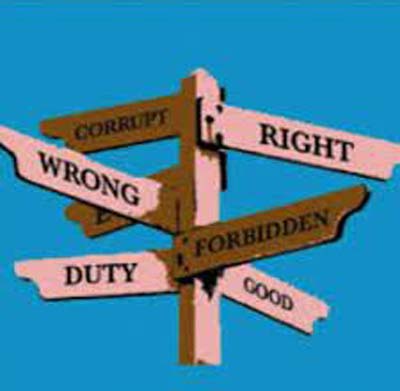
At this critical juncture, there is a compelling necessity to look beyond the conventional lens and search for a magic wand to shape the new world order. There is a need to synthesise the structures and processes and introduce the fourth tenet as Geo–Moral dimension in global relations. Geo-moral dimension does not seek to abolish Realism, but to constrain, humanise and contextualise it.
Building Trust Through Moral Diplomacy. A new era of diplomacy—one rooted in trust and moral vision—requires bold steps. Transparency in negotiations through open, honest communication builds credibility and reduces the space for misinformation to thrive. Peace is stronger when it is built not only by politicians but also by faith leaders, community representatives, and ordinary citizens. Agreements must be equitable, ensuring that no nation is coerced into terms that undermine its dignity. Leaders must look beyond immediate political gains and invest in shared humanity over national ego. A morally conscious society is less vulnerable to propaganda because it is anchored in truth and guided by principles rather than fear.
India is silently emerging as Vishwa Guru through the effective application of the geo-moral dimension in fostering international relations. India’s civilizational values—Vasudhaiva Kutumbakam, non-violence, equity, and collective well-being—naturally align with a world seeking ethical leadership, peace, and sustainable development. Combined with its rising economic weight, democratic credentials, soft power, and balanced foreign policy, India is working diligently for global acceptance to lead through moral authority rather than coercive power.
To advance this geo-moral leadership, India should prioritise key diplomatic initiatives. These include championing UN reforms for fair representation, establishing norms for humanitarian veto use, and leading Global South cooperation on climate justice, technology access, and equitable development. India can also create a global Peace Mediation Corps, expand humanitarian diplomacy (healthcare, digital public goods, disaster relief), and spearhead ethical technology initiatives in AI and cyber governance. Strengthening cultural diplomacy—through yoga, education exchanges, and knowledge traditions—can reinforce its soft-power identity as a Vishwa Guru. By maintaining strategic autonomy and promoting dialogue among major powers, India can serve as a trusted, neutral partner in global conflicts.
Through consistent, ethical, and inclusive diplomacy, India can shape a more peaceful, just, and harmonious world order.
ABOUT THE AUTHOR
 Lt Gen Rajeev Chaudhry, former DG Border Roads, doubled the pace of work to meet stringent targets post Galwan clash and worked to get an incremental budget allocation of 160% for GS roads during his tenure. He infused at least 18 new technologies to enhance speed and quality of projects. He brought transparency in expenditure through increased use of GeM and ensured timely payments to the firms for which BRO was awarded Gold Certificate for two consecutive years. He also ensured desired dignity, social security and visibility to the unsung BRO Karmyogis.